Author: Katie Derrick

  • Colorado HB26-1021 Second Amendment Protection Act Advances to Repeal Multiple State Firearm Restrictions

    Colorado HB26-1021 Second Amendment Protection Act Advances to Repeal Multiple State Firearm Restrictions

    In a bold move that has Second Amendment advocates cheering across the Centennial State, Colorado HB26-1021—the Second Amendment Protection Act—has cleared its latest hurdle and is now advancing toward repealing a laundry list of restrictive firearm laws. This legislation represents a long-overdue pushback against years of incremental erosion of constitutional rights, reminding lawmakers that the right to keep and bear arms isn’t up for negotiation.
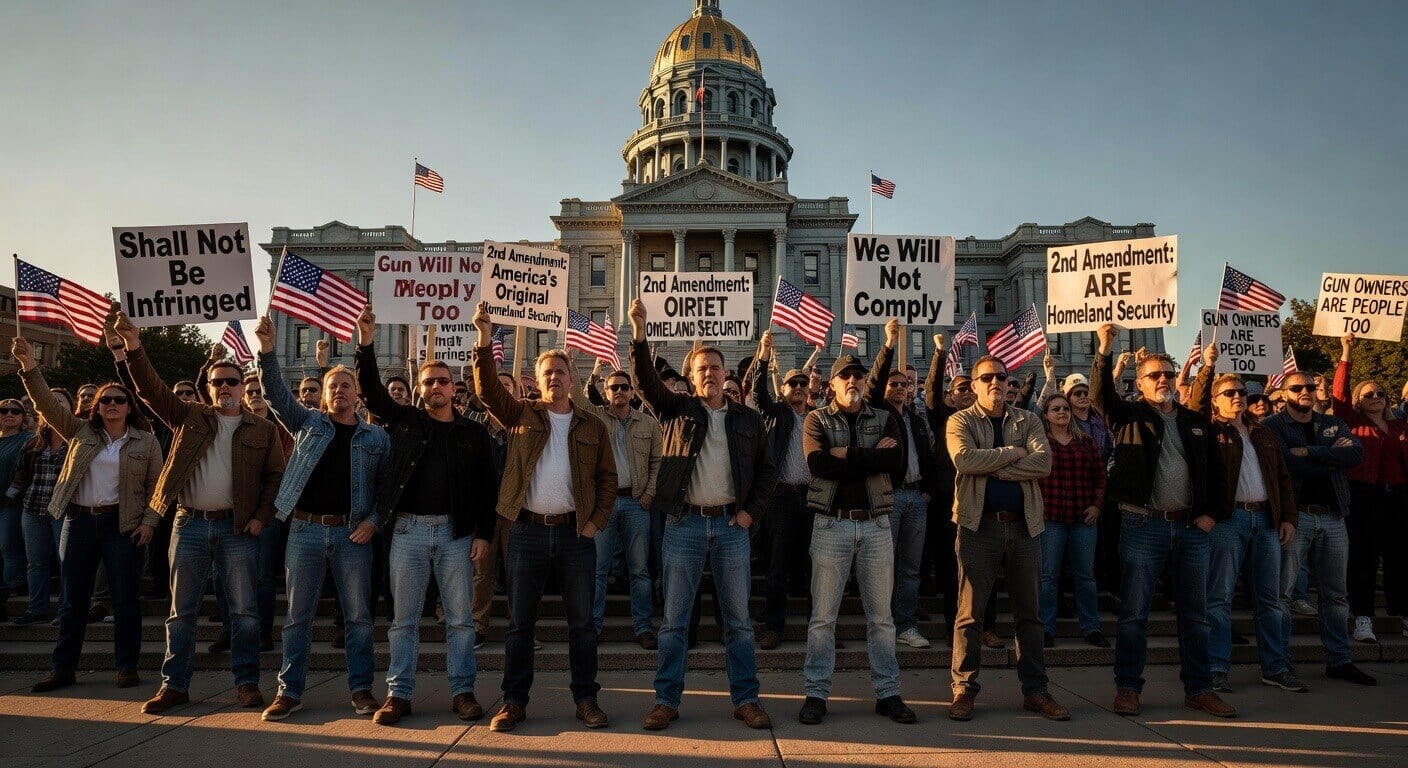
    Crowd of pro-Second Amendment supporters gathered outside the Colorado State Capitol building holding signs advocating for gun rights

    What the Bill Targets

    HB26-1021 takes direct aim at several controversial measures that have burdened law-abiding gun owners. Among the provisions on the chopping block are magazine capacity limits, overly broad assault weapon definitions, and redundant permitting hurdles that do little for public safety but plenty to inconvenience responsible citizens. By stripping these away, the bill restores balance and recognizes that criminals ignore laws while honest Coloradans simply want to defend their families and enjoy their constitutional freedoms.

    Why This Matters Now

    With crime rates climbing in certain urban areas and self-defense stories making headlines, the timing couldn’t be better. This isn’t about arming everyone—it’s about removing artificial barriers that treat every gun owner like a potential threat. Supporters argue the measure reinforces the fundamental principle that the Second Amendment protects an individual right, not a privilege granted by the state. As the bill moves forward, it sends a clear message: Colorado is ready to prioritize liberty over bureaucratic control.

    Grassroots organizations and everyday shooters are mobilizing to keep the momentum going. Contact your representatives, attend hearings, and make your voice heard—because every repeal brings us one step closer to a state where constitutional carry and personal responsibility reign supreme.

    Join the Fight - Second Amendment Foundation

    References

  • National R3 Symposium Focuses on Boosting Youth Participation in Shooting Sports for 2026

    National R3 Symposium Focuses on Boosting Youth Participation in Shooting Sports for 2026

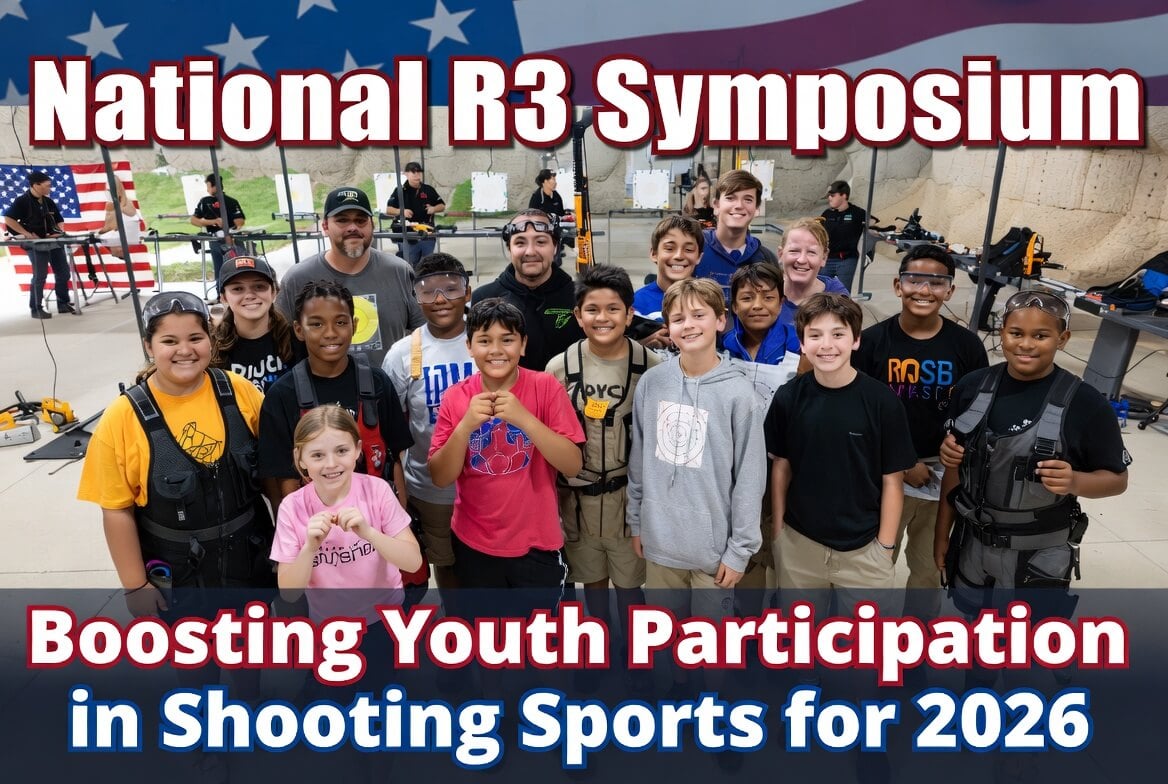
    The National R3 Symposium in Des Moines delivered a powerful message: the future of America’s shooting sports and hunting traditions depends on getting the next generation hooked early. With more than 300 passionate stakeholders from across the country rolling up their sleeves, the event zeroed in on fresh, practical ways to draw young people into firearms training, competitive shooting, and responsible hunting.

    Signature: Uh2T49dNgHKesLkieEQXS+k6xDDQlyCHACQgCU8knb7H+Ox39btsx+koCaxIaQMqVNVJ54Mq8GFY7ImiFUMz6jmmM7YVpe+2nHOQ9Qts3MuFMeobJUOQypOemhy/ff7JZXYPOX2tpjFCAz5KsHqVv1mMF6mQ/Eda3ziP9Ib2gcA9gYEZ9EVsXhA3SZOBSm7EFTIHvxthzFN+jy1J2K28CoaM5ed4RZs/c4DzFPXbBarS+zZxLelbjNV+5UjQIYC80NwhehjxA9dBwsZjMv2zP/CgtyEuSu43TdqUw1jMgQTvgrkdvI5VumnAlUISnXWl/yOvYmAEbC5reMOlESb8T2X3iwvU1lxclsY6DYA78Xn6cak3OwKEUjs6m5UKhqjcvnoHvE7WP4g41B0715VdTQvQHh8kuHbDwXgb05RHQTLsV1aPqInBx1rFRFqGNPocr5qb3aMtg/D8eCKOQ/EyLE3F9rh1K8EQRKfjkHuE1l49VVzmrvugAiFhCCva4JefvEy5yr4SdmheCNX8k+vErWKCJd6rtIzX+VyiEsggbIzP87xkiJ5Y2LAFpJkrWgCMu5jcXQxGHWkpYCoPPPvetKDxYQJBnVQsgx5m62It0GBnKkDt+iIzEBGb2NgyVAIsCT6pHL8ZO5ULXWQneiZ7ZnDgKFs3krgnMsX/OEilLKv6PL+98dlSC3JsLv+A0HyurXSUGIrqg8IMrpAgiAJAWqjFgHjT+FeQY+MT0knp9Qhrnnci7ySg5qidwH0cs8I95ENTDQjnTB3TZznJfI+a3FC7DLeMUXmTDQpS/P+J9fdjiyKy5SE2Zue9FVqBkFT475IHtoXAGCS4qBTvFMdArkNI0nHgmmNSHjEd2YpwIJvQhfn7KZWf0PS8hmBzMCXEm9Jj5DTPIVUiaNF+0PyTsE21Cf2gPRQM/A5l2khhXhwVt41Zyj8ST87GuM9KEsW/Kg43U6MdGRZHsCFZnAHZX5wwcm+C/rQco/LWXJlHspw=

    Attendees shared success stories from community-based programs that pair kids with mentors who teach everything from basic gun safety to advanced marksmanship. These aren’t just classes—they’re gateways to lifelong skills, discipline, and a deep appreciation for the Second Amendment. Partnerships with local 4-H clubs, schools, and conservation groups emerged as game-changers, turning one-time events into ongoing pipelines that keep young shooters engaged year after year.

    Discussions highlighted the need for digital outreach too. Social media campaigns featuring real stories of young hunters bagging their first deer or competitors crushing targets at nationals are proving far more effective than old-school flyers. The goal for 2026 is clear: scale these efforts nationwide so every interested kid has access to safe, fun, and educational shooting experiences.

    Why does this matter so much? Because an armed and knowledgeable citizenry starts with the youth. When kids learn to handle firearms responsibly, they grow into adults who value their constitutional rights and pass that respect to the next generation. The symposium reinforced that recruitment isn’t about politics—it’s about preserving a uniquely American heritage of self-reliance and outdoor freedom.

    Community leaders left Des Moines energized, armed with toolkits for launching new youth leagues and family-friendly range days. The momentum is building, and by 2026 we could see a real surge in participation that strengthens the entire firearms community.

    If you’re a range owner, club member, or parent, now’s the time to get involved. Reach out to local R3 initiatives and help light that spark in the next wave of shooters. America’s shooting sports are only as strong as the hands that carry them forward.

    Join the Fight - Second Amendment Foundation

    References

  • Florida HOA Bans Firearms in Common Areas, Draws AG Warning and 2A Pushback

    Florida HOA Bans Firearms in Common Areas, Draws AG Warning and 2A Pushback

    In a move that has ignited fresh outrage among gun owners across the Sunshine State, the Tradition Community Association in Port St. Lucie has decided its residents no longer have the right to exercise their Second Amendment freedoms in the very spaces they pay to maintain. Parks, trails, town squares, and other common areas are now off-limits to firearms—even for those with valid concealed carry permits. The policy isn’t just tone-deaf; it directly clashes with Florida’s strong protections for lawful gun owners.

    Aerial view of a Florida community park and walking trail surrounded by residential homes under a clear blue sky

    Florida Attorney General James Uthmeier wasted no time issuing a formal warning that the resolution violates state preemption laws. Those statutes make it crystal clear: local governments, HOAs, and busybody boards cannot create their own gun-free zones that override the constitutional rights of permit holders. This isn’t some gray area—the law is designed to stop exactly this kind of overreach.

    HOA Overreach Meets Real Resistance

    Residents and Second Amendment advocates are pushing back hard. Many see this as yet another example of private associations attempting to play government, stripping law-abiding citizens of their ability to defend themselves while criminals continue to ignore signs and rules. The irony is hard to miss: people who live in these communities already surrender a degree of freedom through covenants and fees, yet some boards keep pushing the line further into personal liberty.

    State preemption exists for a reason. Florida lawmakers recognized long ago that patchwork local gun rules create confusion and erode rights. The AG’s letter reinforces that principle and serves as a reminder that no homeowners association gets to rewrite the Florida Constitution by majority vote of a boardroom.

    Why This Matters Beyond One Community

    Today it’s parks and trails in Port St. Lucie. Tomorrow it could be another neighborhood association in another county testing the same limits. Gun owners across Florida are watching closely because these cases set precedents. When an HOA tries to ban constitutionally protected carry in shared spaces, it signals a broader willingness to treat the Second Amendment as optional rather than fundamental.

    The pushback is already building. Expect letters, public records requests, and organized resident campaigns demanding the resolution be rescinded. Florida’s strong pro-2A culture doesn’t take kindly to being told where and when citizens may exercise their rights—especially on property they collectively own and fund.

    Law-abiding gun owners aren’t the problem here. Overreaching boards that forget their role are. The Attorney General’s warning is a welcome line in the sand, and Tradition residents would be wise to use every legal tool available to restore their full rights in the common areas they already pay for.

    Join the Fight - Second Amendment Foundation

    References

  • NRA Introduces Three New F-Class Competition Categories for 2026

    NRA Introduces Three New F-Class Competition Categories for 2026

    The shooting community is buzzing with excitement following the NRA Competitive Shooting division’s bold announcement. Starting in 2026, three fresh F-Class categories will hit the range, giving precision long-range enthusiasts more ways than ever to test their skills, push equipment limits, and celebrate the disciplined marksmanship that sits at the heart of our Second Amendment heritage.

    Competitive shooter in prone position behind a custom F-Class rifle on a sunny long-range range with wind flags visible

    Expanded Divisions for Every Dedicated Shooter

    These new categories aren’t just tweaks—they’re strategic expansions designed to welcome more competitors while honoring the core principles of accuracy, safety, and innovation. Whether you’re a seasoned F-Open veteran or a newcomer drawn to the challenge of dialing in at extreme distances, the 2026 lineup promises fresh opportunities to refine your craft and represent American shooting excellence.

    The Three New Categories

    First up is F-Class Heritage, a division celebrating classic bolt-action platforms chambered in traditional long-range cartridges. This category keeps the spirit of foundational American rifle design alive while allowing modern optics and handloads.

    Next comes F-Class Tactical Semi-Auto, opening the door for reliable semi-automatic rifles that meet strict accuracy and weight standards. It’s a nod to the practical evolution of firearms technology and a direct invitation for those who appreciate modern defensive platforms in a pure competition setting.

    Finally, the F-Class Rimfire Extreme division brings affordable, high-volume long-range shooting to the forefront. By emphasizing .22 LR and similar calibers at extended distances, it lowers barriers to entry and encourages year-round training without breaking the bank—perfect for building the next generation of skilled marksmen.

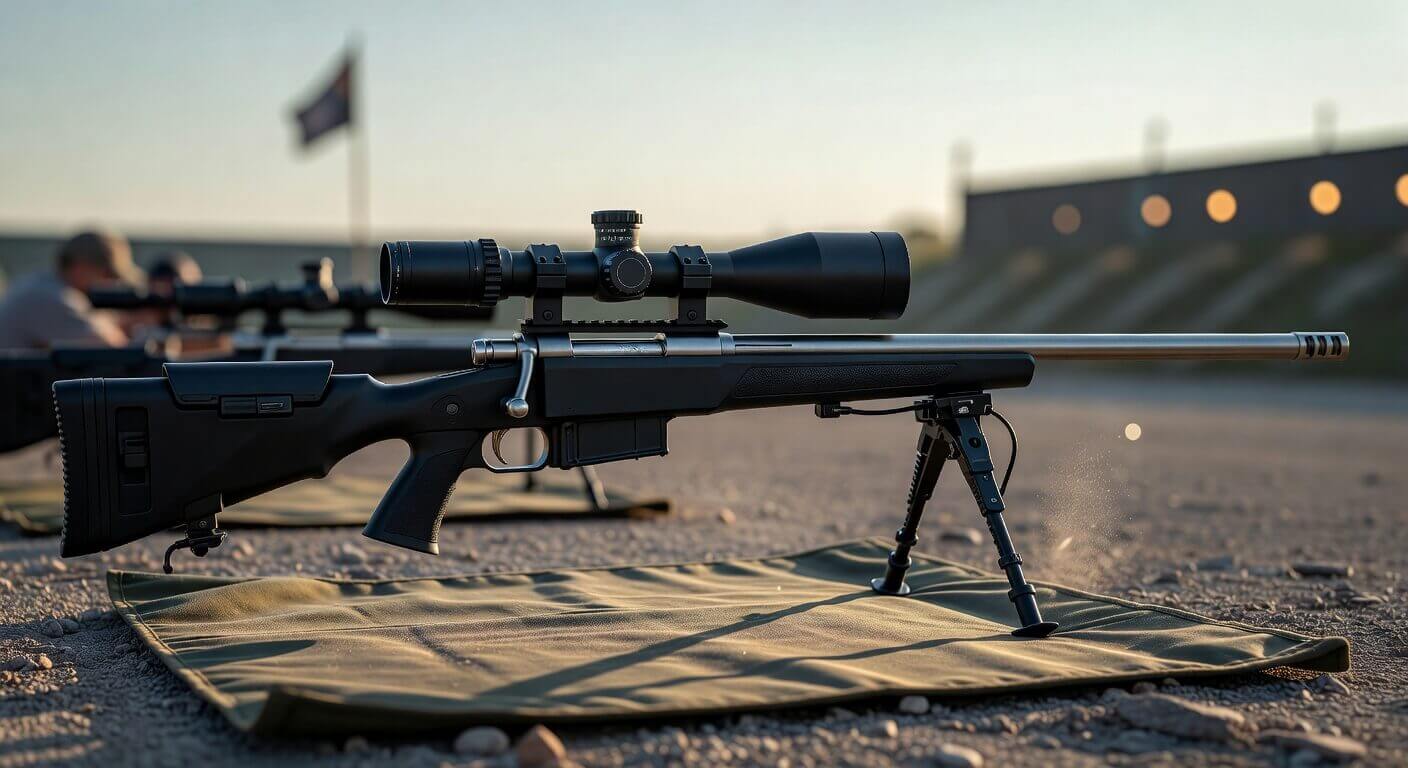
    Close-up of a precision F-Class rifle with bipod and high-magnification scope on a shooting mat during a match

    Why This Matters for the Shooting Sports

    More categories mean more participation, stronger clubs, and greater visibility for the responsible, lawful use of firearms. The NRA’s move reinforces that competitive shooting isn’t just a sport—it’s a vital expression of our constitutional rights and a proven path to developing the discipline and proficiency that benefit every law-abiding gun owner.

    With updated rules focused on safety, fairness, and equipment accessibility, 2026 is shaping up to be a landmark year. Mark your calendars, start prepping your gear, and get ready to join the line. The future of precision rifle competition looks brighter than ever.

    Join the Fight - Second Amendment Foundation

    References

  • Arkansas Right to Keep and Bear Arms Amendment Heads to 2026 Ballot

    Arkansas Right to Keep and Bear Arms Amendment Heads to 2026 Ballot

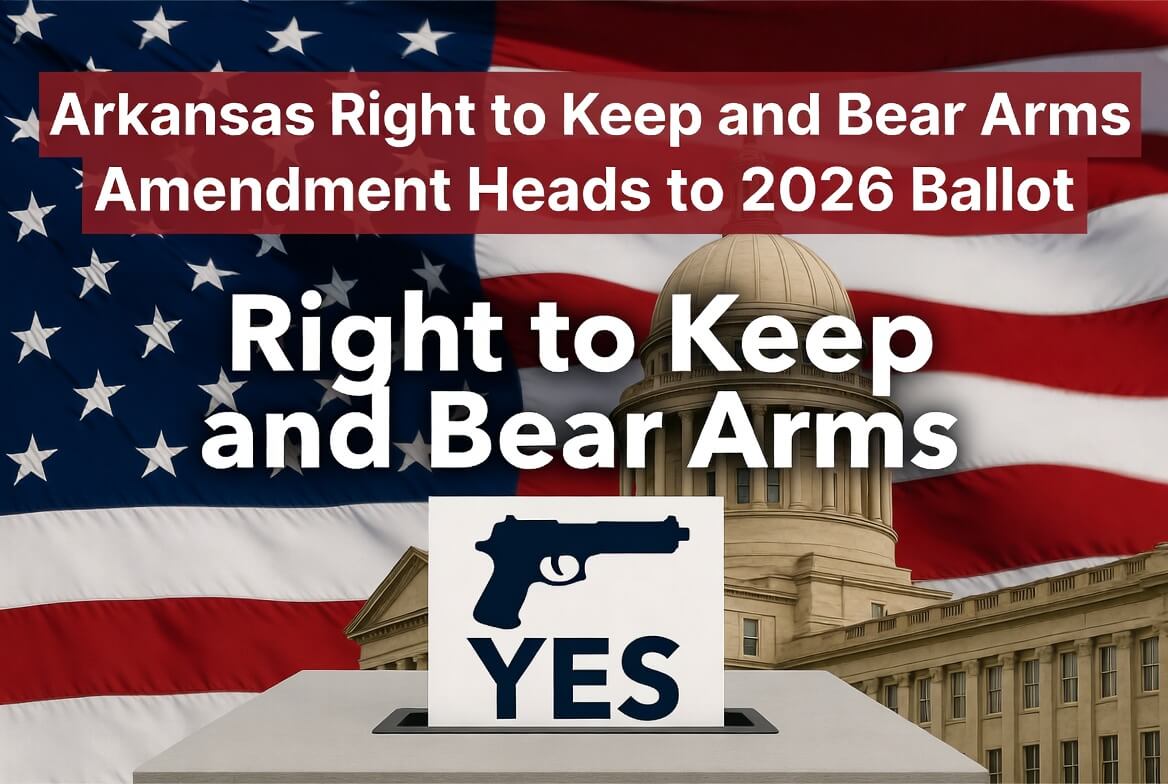
    Big news out of the Natural State is sending ripples through the firearms community. Arkansas lawmakers just green-lit Senate Joint Resolution 11, clearing the path for voters to enshrine an explicit right to keep and bear arms in the state constitution on the 2026 ballot. This isn’t window dressing—it’s a direct, proactive move to lock in protections for lawful hunting, recreation, self-defense, and every other legitimate purpose gun owners hold dear.

    Arkansas State Capitol building under a clear blue sky with the American and Arkansas flags flying

    For too long, state constitutions have left Second Amendment protections vulnerable to creative reinterpretation by activist judges and anti-gun legislators. SJR 11 slams the door on that ambiguity. By spelling out the right in plain language, Arkansas is telling future politicians that the people’s right to arms isn’t up for negotiation or erosion through backdoor regulations.

    Why This Matters for Everyday Gun Owners

    Hunters, competitive shooters, and families who value personal protection all stand to benefit. The amendment would explicitly cover:

    • Lawful hunting and trapping traditions that have defined Arkansas culture for generations
    • Recreational shooting at ranges and on private land
    • Responsible self-defense inside and outside the home
    • The simple act of owning and carrying firearms without fear of arbitrary state overreach

    This kind of language creates a sturdy legal shield. When the next wave of magazine bans, permitting schemes, or “sensitive place” restrictions inevitably arrives, courts will have clear constitutional text to reference instead of vague federal interpretations.

    A Model for Other States

    Arkansas is joining a growing list of states that refuse to rely solely on the U.S. Constitution for protection. Constitutional carry already enjoys strong support here, and this amendment would reinforce that foundation. Lawmakers who backed SJR 11 deserve credit for recognizing that rights must be actively defended at every level of government.

    Between now and 2026, expect the usual suspects to spin this as “extreme” or “unnecessary.” Don’t buy it. An explicit state constitutional right simply mirrors what the Founders intended and what the vast majority of Arkansans already support. The ballot measure gives citizens the final say—the way it should be.

    Mark your calendars. When 2026 rolls around, showing up to vote “yes” on this amendment is one of the most direct ways to safeguard our rights for the next generation. Arkansas is proving that strong pro-2A leadership still exists at the state level, and the rest of the country would do well to follow suit.

    Join the Fight - Second Amendment Foundation

    References

  • West Virginia SB 1071 Proposes State Sale of Machine Guns to Qualified Citizens

    West Virginia SB 1071 Proposes State Sale of Machine Guns to Qualified Citizens

    In a bold move that could reshape the landscape of firearm rights in America, West Virginia lawmakers are pushing forward with Senate Bill 1071, known as the Public Defense and Provisioning Act. This legislation isn’t just another gun bill—it’s a direct challenge to federal restrictions, leveraging clever loopholes to put fully automatic firearms into the hands of qualified citizens through state channels.

    West Virginia State Capitol building with American flag waving in the foreground

    The bill would create an Office of Public Defense inside the West Virginia State Police. This new office would purchase machine guns in bulk and then sell them directly to eligible residents. Because the transfers flow through a government entity, they sidestep the Hughes Amendment’s ban on civilian ownership of new machine guns under the National Firearms Act. It’s a creative use of existing federal exemptions that treats citizens as part of the state’s defensive apparatus.

    Why This Matters for Liberty

    At its core, SB 1071 recognizes that the Second Amendment isn’t about hunting or sport—it’s about the people’s ability to defend themselves against threats, whether criminal or governmental. West Virginia has long stood as a beacon for gun owners, and this proposal takes that tradition to the next level by making advanced weaponry accessible without the usual bureaucratic nightmare of Form 4 transfers and endless ATF delays.

    Qualified buyers would still undergo rigorous background checks and training, ensuring only responsible, law-abiding adults gain access. This isn’t about arming everyone indiscriminately; it’s about empowering those who already meet strict standards to own the same tools used by law enforcement and military units.

    Countering Federal Overreach

    Federal gun control has steadily chipped away at our rights for decades, with the Hughes Amendment serving as one of the most blatant examples of unconstitutional overreach. By routing sales through the state police, West Virginia is asserting its sovereignty and reminding Washington that states can innovate around bad federal policy. This approach could inspire similar legislation across the country, turning the tables on decades of incremental disarmament.

    Supporters argue this strengthens the militia concept embedded in the Constitution. When citizens can acquire the same equipment as government forces, it restores balance and deters tyranny. In an era of rising crime and uncertain times, having access to effective defensive tools isn’t radical—it’s common sense.

    West Virginia’s move proves that pro-Second Amendment states don’t have to wait for Congress to fix broken laws. They can take matters into their own hands and deliver real results for gun owners. If SB 1071 passes, it won’t just be a win for West Virginians—it could mark the beginning of a nationwide resurgence in true firearm freedom.

    Join the Fight - Second Amendment Foundation

    References

  • Rep. Patronis Introduces Firearm Freedom Act to Repeal Hughes Amendment

    Rep. Patronis Introduces Firearm Freedom Act to Repeal Hughes Amendment

    In a bold move that has Second Amendment advocates cheering, Florida Congressman Jimmy Patronis has stepped up to challenge one of the most restrictive gun control measures still on the books. His Firearm Freedom Act targets the outdated Hughes Amendment head-on, promising to return machine gun ownership rights to law-abiding citizens and redirect federal resources where they actually belong—stopping violent criminals.

    Florida Congressman Jimmy Patronis standing at the podium in the U.S. House chamber, presenting the Firearm Freedom Act legislation on May 22, 2026

    The 1986 Hughes Amendment slipped into the Firearm Owners Protection Act under questionable circumstances, effectively freezing the civilian market for new machine guns. Since then, only those rare pre-1986 transferable firearms have remained legal, driving prices into the stratosphere and turning a once-common category of firearms into an elite collector’s item. Patronis’s legislation aims to wipe that restriction away entirely, restoring the pre-1986 landscape where law-abiding Americans could purchase and own these firearms without artificial barriers.

    Restoring Constitutional Balance

    Proponents argue that the Hughes Amendment has always been a constitutional outlier. The Second Amendment doesn’t come with an expiration date or a “no machine guns after 1986” clause. By repealing this amendment, the Firearm Freedom Act would realign federal policy with the original understanding of the right to keep and bear arms. This isn’t about arming criminals—it’s about removing an arbitrary roadblock that has done nothing to enhance public safety while punishing responsible owners.

    The bill also emphasizes smarter enforcement priorities. Instead of wasting resources harassing FFL dealers and collectors over technicalities, federal agencies could focus on prosecuting actual gun crimes committed by prohibited persons. That’s the kind of targeted approach that makes sense and delivers real results.

    What This Means for Lawful Gun Owners

    For enthusiasts and collectors, repeal would mean renewed access to a broader selection of machine guns at more reasonable prices. It would breathe new life into a segment of the firearms market that has been artificially constrained for nearly four decades. More importantly, it sends a clear message: the rights protected by the Constitution aren’t subject to bureaucratic rationing.

    Patronis’s introduction of the Firearm Freedom Act on May 22, 2026, marks an important step in the ongoing effort to roll back infringements that have accumulated over the years. Supporters are already mobilizing to back the legislation, recognizing that every repeal of an unconstitutional restriction strengthens the foundation of our gun rights for future generations.

    This is the kind of proactive, freedom-focused legislation that reminds us why staying engaged in the political process matters. The fight to restore full Second Amendment protections continues, and bills like this keep the momentum going in the right direction.

    Join the Fight - Second Amendment Foundation

    References

  • NRA-Supported Cert Petition Filed Challenging Maryland’s Sensitive Places Carry Restrictions

    NRA-Supported Cert Petition Filed Challenging Maryland’s Sensitive Places Carry Restrictions

    In a significant move that could reshape concealed carry laws across the nation, the National Rifle Association has joined forces with dedicated Second Amendment advocates to petition the U.S. Supreme Court. They’re asking the justices to review a troubling Fourth Circuit ruling that green-lights Maryland’s expansive “sensitive places” restrictions—rules that effectively turn everyday public spaces into no-go zones for law-abiding gun owners.

    Majestic view of the U.S. Supreme Court building under a clear blue sky, symbolizing the fight for constitutional rights

    This challenge strikes at the heart of the post-Bruen landscape. Maryland’s law slaps broad prohibitions on carrying in everything from parks and museums to government buildings and even private property without explicit permission. The state offers little in the way of historical evidence from the Founding era to justify these sweeping bans. Under the Supreme Court’s clear Bruen test, that absence should doom the restrictions—yet the Fourth Circuit upheld them anyway, leaving millions of Marylanders with diminished rights to self-defense outside the home.

    The petition highlights how these “sensitive places” designations aren’t rooted in tradition but in modern policy preferences. History shows that the right to bear arms extended to public spaces, with narrow exceptions only for truly sensitive locations like courthouses or polling places during specific eras. Maryland’s approach flips this on its head, treating virtually every public area as off-limits and forcing carriers to navigate a legal minefield just to exercise a fundamental liberty.

    Supporters of the petition argue this case represents a critical test for the Bruen framework. If the Supreme Court declines review or fails to correct the lower court’s misapplication, other states could follow suit with even more aggressive restrictions. Law-abiding citizens deserve consistent protection for their right to carry for self-defense, not patchwork rules that disarm them in the very places where threats can arise.

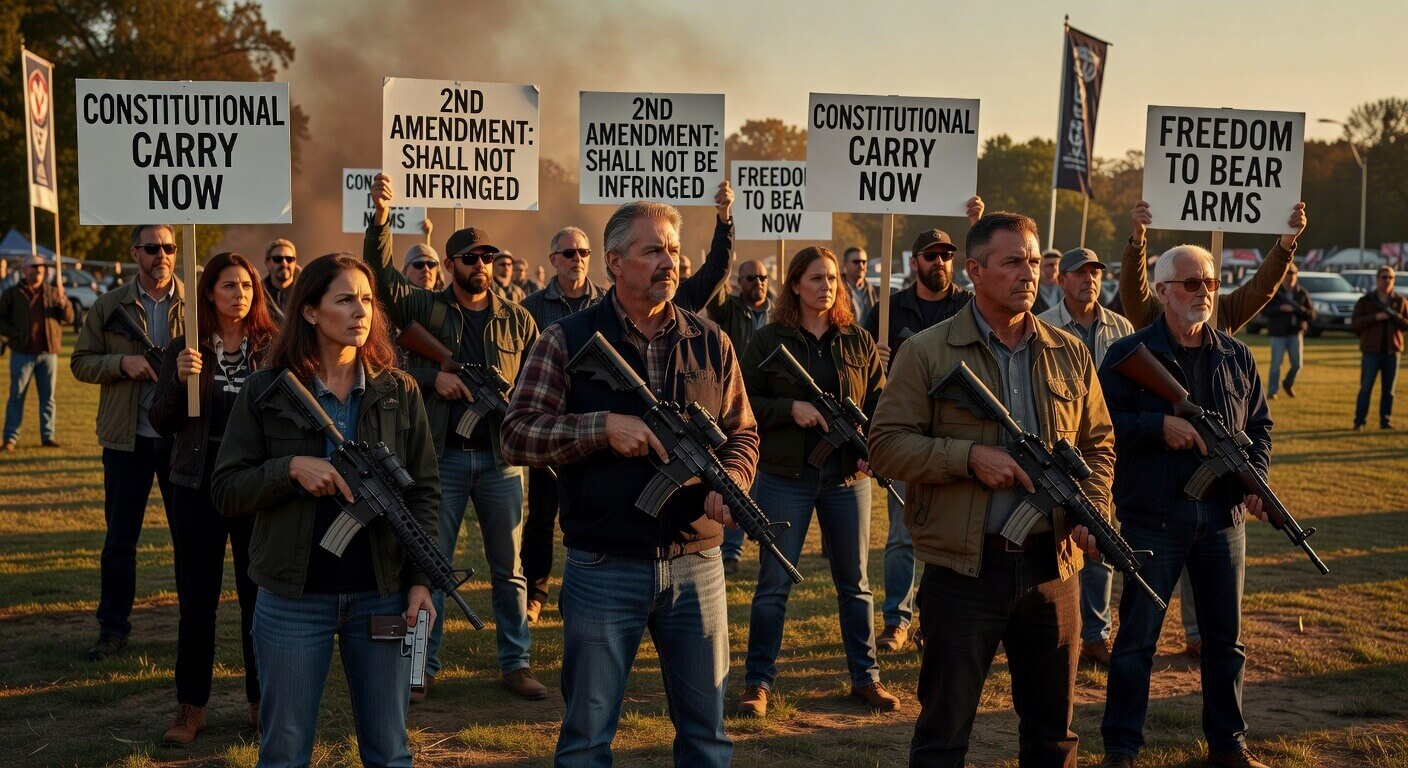
    Group of diverse Second Amendment supporters gathered at a peaceful rally holding signs advocating for constitutional carry rights

    As the high court weighs whether to grant certiorari, the stakes couldn’t be higher for gun owners nationwide. This filing underscores the ongoing battle to ensure that recent Supreme Court victories translate into real-world freedom, not endless litigation against overreaching state laws. The NRA and its allies are standing firm—now it’s time for the justices to reaffirm that the Second Amendment means what it says.

    Join the Fight - Second Amendment Foundation

    References

  • NCLA Files Federal Lawsuit Challenging Illinois FOID Card Act as Unconstitutional Gun Licensing Mandate

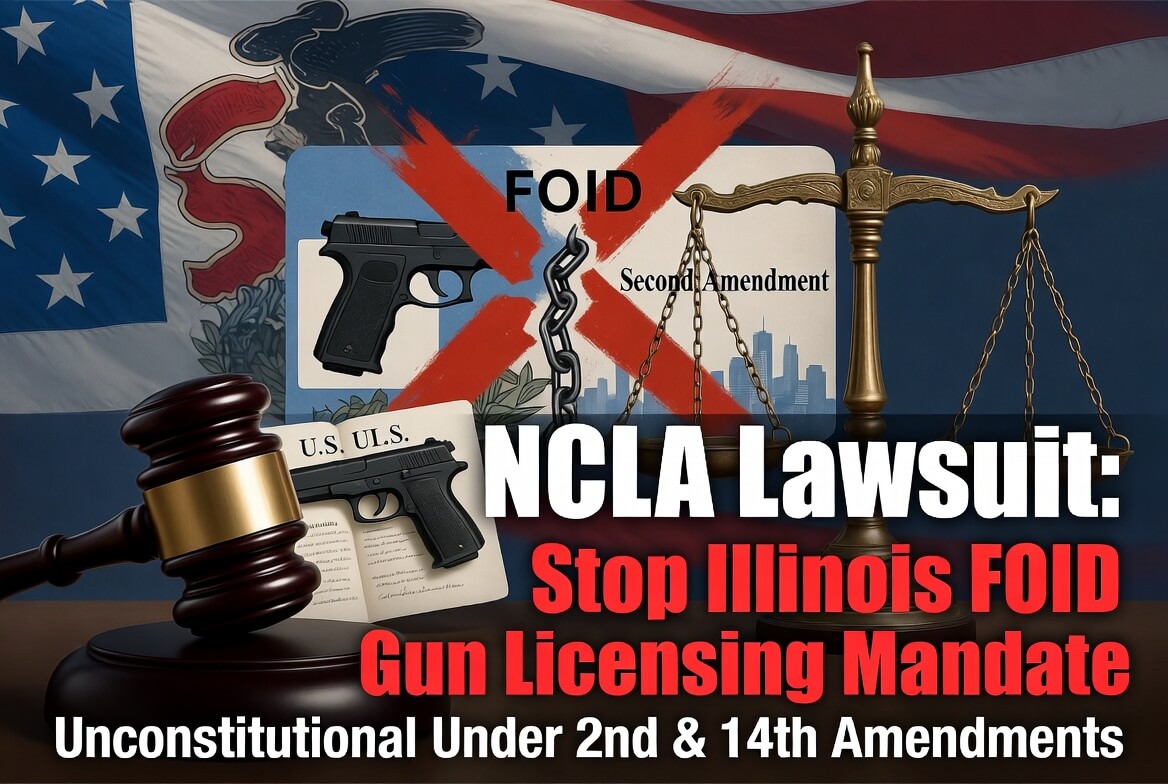
    NCLA Files Federal Lawsuit Challenging Illinois FOID Card Act as Unconstitutional Gun Licensing Mandate

    In a groundbreaking legal challenge that strikes at the heart of government overreach, the New Civil Liberties Alliance has taken Illinois to federal court over its notorious FOID Card Act. This lawsuit isn’t just paperwork—it’s a direct assault on the unconstitutional idea that law-abiding citizens need state permission to exercise their God-given right to keep and bear arms, even in the sanctity of their own homes.

    Dramatic image of a federal courthouse with an American flag and a Second Amendment advocate holding a legal brief

    The Heart of the FOID Fight

    Illinois stands alone as the only state that demands a Firearm Owners Identification card just to possess a single firearm or round of ammunition. The three plaintiffs represented by NCLA—ordinary Americans who simply want to defend themselves and their families—argue this scheme violates both the Second Amendment and the Fourteenth Amendment’s Due Process and Equal Protection clauses. Requiring prior government approval for a fundamental constitutional right is the very definition of prior restraint, a concept the Supreme Court has repeatedly rejected in other contexts.

    Why This Lawsuit Matters for Every American

    Think about it: under the FOID Act, you can’t even keep a shotgun in your closet for home defense without first begging bureaucrats for a card. This isn’t “common sense”—it’s a licensing regime that treats millions of responsible gun owners like potential criminals until proven otherwise. The NCLA’s complaint highlights how this system creates unnecessary barriers, delays, and outright denials that have nothing to do with public safety and everything to do with control.

    Drawing on the Supreme Court’s clear directives in Bruen and Heller, the lawsuit dismantles the notion that states can impose such sweeping restrictions on core Second Amendment conduct. Home self-defense sits at the very center of what the Founders protected. Forcing citizens to obtain state permission first flips the Constitution on its head.

    Looking Ahead

    This case could set a powerful precedent far beyond Illinois’ borders. If the courts recognize that FOID-style licensing schemes are incompatible with our constitutional order, other states eyeing similar restrictions will think twice. Gun owners across the country are watching—and cheering—this direct challenge to tyranny disguised as regulation.

    The right to bear arms shouldn’t require a permission slip from Springfield. It’s time the courts reminded Illinois officials exactly where the Constitution draws the line.

    Join the Fight - Second Amendment Foundation

    References

  • Connecticut Enacts Firearm Industry Responsibility Act via HB 7042

    Connecticut Enacts Firearm Industry Responsibility Act via HB 7042

    Connecticut lawmakers just dropped another hammer on the firearms industry with the passage of HB 7042, the so-called Firearm Industry Responsibility Act. Marketed as a public safety measure, this bill actually opens the door to endless civil lawsuits against manufacturers, dealers, and sellers who supposedly fail to implement “reasonable controls” against prohibited buyers, straw purchasers, or traffickers. Victims, cities, and even the state attorney general now have standing to sue, turning every legal gun sale into a potential courtroom battle.

    This isn’t about stopping criminals. It’s about making it so expensive and risky to do business in Connecticut that companies simply pack up and leave. Law-abiding gun owners will feel the squeeze through higher prices, fewer options, and shrinking access to the tools they rely on for self-defense and sport.

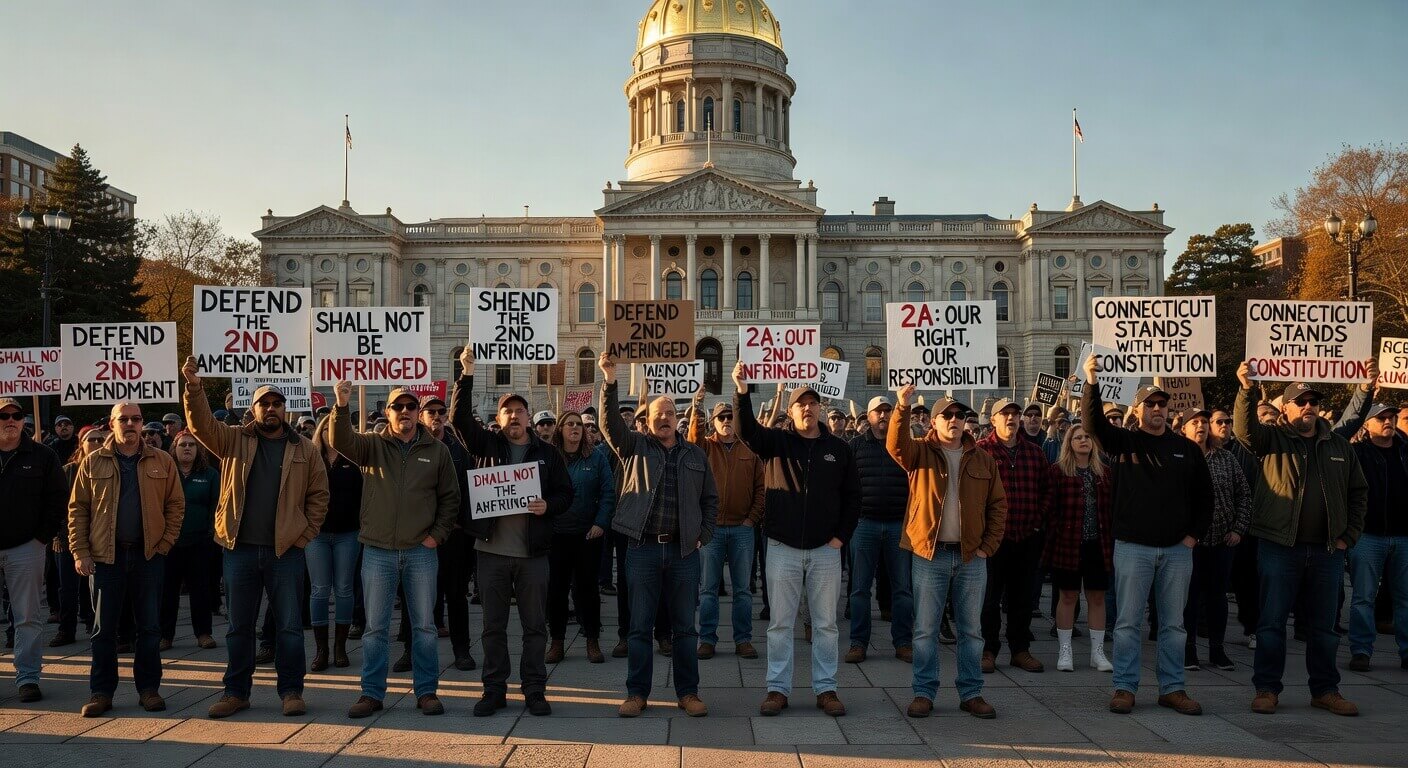
    Crowd of Second Amendment supporters gathered outside the Connecticut State Capitol building holding signs defending the right to bear arms

    Vague Standards, Guaranteed Lawsuits

    The phrase “reasonable controls” sounds harmless until you realize it’s a blank check for activist judges and greedy plaintiffs’ attorneys. What exactly counts as reasonable? Enhanced background checks? Real-time monitoring of every customer? Refusing sales based on hunches? The bill leaves that door wide open, inviting lawsuits whenever a firearm ends up in the wrong hands—even if the dealer followed every existing federal and state law at the time of sale.

    Pro-2A advocates have seen this playbook before. Similar liability schemes in other states have led to settlement shakedowns rather than actual reductions in crime. Criminals don’t buy guns from FFL dealers with paperwork; they steal them or use straw purchasers who already break the law. Punishing the legal industry does nothing to disarm gang members in Hartford or New Haven.

    Federal Protection Undermined

    The federal Protection of Lawful Commerce in Arms Act was specifically designed to shield legitimate firearm businesses from exactly this kind of predatory litigation. Connecticut’s new law tries to dance around PLCAA by creating a state-level cause of action. Expect immediate legal challenges arguing preemption, and pro-Second Amendment groups are already gearing up to fight it in court.

    In the meantime, dealers face a chilling effect. Many will likely adopt overly cautious policies, turning away legitimate customers who might trigger some vague “red flag” in a computer system. That’s not responsible business—it’s self-preservation in a hostile regulatory environment.

    What This Really Means for Gun Owners

    Connecticut residents who value their constitutional rights just got another reminder that their state government views the Second Amendment as a problem to be managed rather than a right to be protected. Every new layer of liability increases costs that get passed down to the end user. Training classes, range time, and even basic self-defense firearms become less accessible.

    The real solution to gun violence has never been more restrictions on the law-abiding. It’s consistent prosecution of violent offenders, secure borders, and addressing the cultural breakdown that produces criminals in the first place. HB 7042 does none of that. It simply transfers wealth from gun companies and dealers into the pockets of trial lawyers while eroding constitutional protections.

    Stay vigilant, Connecticut. The fight for our rights doesn’t end at the statehouse steps—it just moves to the next battlefield.

    Join the Fight - Second Amendment Foundation

    References

  • SAF Secures Victory Striking Down Key Parts of New York Sensitive Places Carry Ban

    SAF Secures Victory Striking Down Key Parts of New York Sensitive Places Carry Ban

    In a landmark decision that strengthens the rights of law-abiding gun owners across New York, the Second Circuit Court of Appeals has delivered a major win for constitutional carry. The ruling, handed down on May 18, 2026, strikes down critical portions of the state’s overly broad “sensitive places” restrictions that had effectively turned much of the private property open to the public into no-go zones for permitted carriers.

    This victory, secured by the Second Amendment Foundation along with dedicated partners, directly challenges the post-Bruen landscape where anti-gun lawmakers rushed to impose sweeping limitations on where licensed individuals could exercise their fundamental right to bear arms. By invalidating the prohibition on carry at private businesses and properties accessible to the public, the court has restored common-sense protections that align with the Supreme Court’s clear directive in Bruen. Gun owners no longer face the absurd prospect of becoming instant criminals simply for stepping onto a shopping center parking lot or a privately owned park with their lawfully carried firearm.

    Second Circuit judges delivering a pro-Second Amendment ruling in a historic courtroom setting

    While the decision upholds restrictions in public parks, it sends a powerful message that governments cannot arbitrarily designate vast swaths of everyday life as off-limits without meeting strict constitutional scrutiny. This balanced outcome underscores the ongoing fight to protect carry rights without compromising public safety, and it sets a precedent that will likely influence similar challenges nationwide.

    For New York permit holders who have navigated the state’s complex licensing system, this ruling represents real progress. It affirms that the right to self-defense does not vanish the moment you leave your home or enter spaces where the public is routinely invited. As legal experts review the full opinion, Second Amendment advocates are already preparing for the next steps to expand these freedoms even further. The momentum from this case reminds us that persistent, principled legal action continues to chip away at unconstitutional barriers—one victory at a time.

    Join the Fight - Second Amendment Foundation

    References

  • Lethal Weapons TX 2026 Multi-Discipline Shooting Competition Set for October in Texas

    Lethal Weapons TX 2026 Multi-Discipline Shooting Competition Set for October in Texas

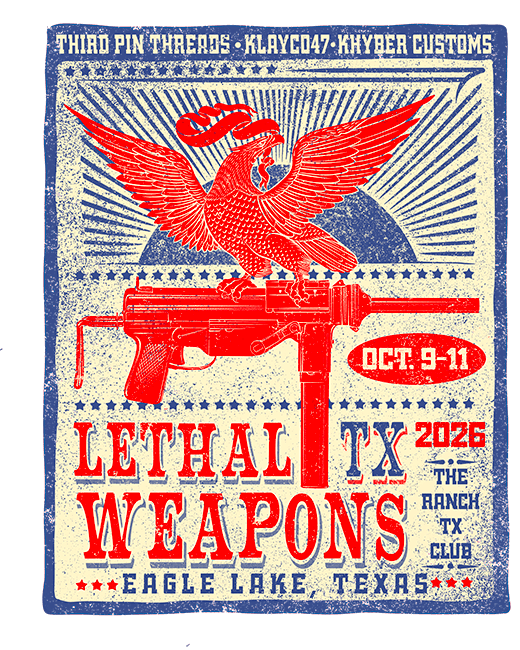
    The Lone Star State is gearing up for one of the biggest celebrations of marksmanship and American firearms culture the country has seen in years. Lethal Weapons TX 2026 is bringing together more than 800 competitors for a grueling yet exhilarating three-day showdown that tests skill across rifle, subgun, and precision sniper disciplines.

    With an 8-stage rifle match, 4-stage subgun match, and 4-stage sniper match on the schedule, this event demands versatility, speed, and accuracy. Shooters will push their limits while proving that responsible firearms ownership and training go hand in hand with our Second Amendment rights. Divisions have already been announced, and the approved firearms lists give competitors clear guidelines while still allowing plenty of room for popular platforms that enthusiasts love.

    Rifle, Subgun, and Sniper Stages

    The rifle portion spans eight demanding stages that blend movement, target transitions, and realistic scenarios. Expect everything from close-range engagements to longer shots that reward solid fundamentals. The subgun matches add a layer of fast-handling excitement, while the sniper stages put a premium on precision under time pressure. Together these disciplines create a true multi-gun test that mirrors real-world defensive skills many 2A advocates train for every week.

    Why This Event Matters

    Events like Lethal Weapons TX do more than crown winners. They strengthen the firearms community, pass knowledge between generations, and showcase the disciplined, safe, and highly skilled side of gun ownership that the mainstream rarely highlights. In a state that has long stood strong for individual liberty, this competition serves as a powerful reminder that the right to keep and bear arms includes the right to become exceptionally proficient with them.

    Registration details and the full list of divisions are already circulating among serious competitors. Whether you plan to attend as a shooter, a volunteer, or a spectator, mark October 2026 on your calendar. This is the kind of event that reminds us why we value our rights and why we continue to train, compete, and defend them.

    Join the Fight - Second Amendment Foundation

    References