Category: ATF & Gun Laws

  • US Sentencing Commission Promulgates 2025 Firearms Amendment to Federal Sentencing Guidelines

    US Sentencing Commission Promulgates 2025 Firearms Amendment to Federal Sentencing Guidelines

    The US Sentencing Commission’s latest move to tweak federal guidelines for firearms offenses has gun owners across the country paying close attention. Set to take effect November 1, 2025, these changes promise steeper enhancements and penalties for a range of gun-related crimes. While the stated goal is cracking down on violent offenders, the details suggest another layer of federal bureaucracy that could easily sweep up technical violations rather than focusing on true threats to public safety.

    Breaking Down the Key Changes

    The amendments expand sentencing enhancements for offenses involving firearms, including certain possession cases, trafficking, and use during other crimes. Expect higher base offense levels in several categories, plus new considerations for prior convictions and the type of firearm involved. Proponents claim this will deter criminals, yet history shows that such guidelines often hit paperwork errors or marginal cases harder than hardened street predators.

    Interior view of a federal courtroom with documents and a gavel on the bench, symbolizing sentencing guideline changes

    Why This Matters for Responsible Gun Owners

    Second Amendment supporters know the pattern: every new guideline or enhancement adds another tool for prosecutors to stretch charges against law-abiding citizens who make an honest mistake. Instead of targeting repeat violent felons with existing laws, these updates risk turning minor regulatory issues into multi-year federal sentences. The real solution remains enforcing laws against actual criminals while protecting the rights of those who follow them.

    Staying Ahead of the Curve

    With the effective date still months away, now is the time to review compliance practices and stay informed through trusted Second Amendment organizations. Stronger penalties sound appealing until they’re applied unevenly. Focus on electing officials who prioritize prosecuting violent crime over expanding the administrative state around lawful firearm ownership. Your rights depend on vigilance, not more federal fine print.

    Join the Fight - Second Amendment Foundation

    References

  • Lynchburg Court Reaffirms Injunction Halting Virginia Private Firearm Sale Background Checks

    Lynchburg Court Reaffirms Injunction Halting Virginia Private Firearm Sale Background Checks

    In a decisive victory for Second Amendment advocates across the Commonwealth, a Lynchburg Circuit Court judge has reaffirmed the injunction blocking Virginia State Police from imposing background checks on private firearm transfers. This ruling comes just days after state officials attempted to restart the controversial program, underscoring once again that legislative overreach cannot override constitutional protections.

    The decision strikes at the heart of recent efforts to expand universal background checks into the private sale arena. Lawmakers had pushed these measures under the banner of public safety, yet the court recognized what gun owners have long understood: such requirements create unnecessary barriers for law-abiding citizens exercising a fundamental right. Private transfers between family members, friends, and fellow enthusiasts have operated responsibly for generations without government interference.

    Virginia courtroom scene with gavel and Second Amendment documents on the bench

    This latest affirmation builds on prior legal challenges that exposed the practical flaws in the program. Implementation proved inconsistent, enforcement uneven, and the underlying data systems unprepared for the volume of private transactions. More importantly, the injunction protects Virginians from a slippery slope where every transfer could eventually require state approval, effectively turning a constitutional right into a government permission slip.

    Gun owners in Virginia and beyond should view this as a clear signal. Courts remain willing to check legislative attempts that chip away at individual liberties. The ruling reinforces that background checks on private sales represent an unconstitutional expansion rather than a commonsense reform. Responsible citizens continue to prioritize safety through personal diligence, training, and community standards—none of which require bureaucratic oversight.

    As the case moves forward, the pro-Second Amendment community stands ready to defend these hard-won protections. This Lynchburg decision serves as a timely reminder that vigilance in the courtroom matters just as much as vigilance at the range.

    Join the Fight - Second Amendment Foundation

    References

  • Trump Administration Proposes Sweeping Reductions in Federal Firearm Regulations

    Trump Administration Proposes Sweeping Reductions in Federal Firearm Regulations

    In a bold move that has energized Second Amendment advocates across the nation, the Trump administration is taking direct aim at years of regulatory overreach by the ATF. With dozens of proposed rule changes now on the table, this initiative promises to slash unnecessary federal red tape surrounding firearm sales, licensing, transportation, and dealer operations. Gun owners who have long chafed under expanding bureaucratic hurdles are finally seeing a pathway back to sensible, Constitution-respecting oversight.

    Reversing Prior Overreach

    Central to the proposal is the repeal of the expanded “dealer” definition pushed through during previous administrations. That rule had forced many occasional sellers and hobbyists into full Federal Firearms Licensee status, complete with mountains of paperwork and compliance costs. By rolling it back, the administration aims to restore clarity so that private citizens can once again engage in occasional transfers without fear of criminalization for simply exercising their rights.

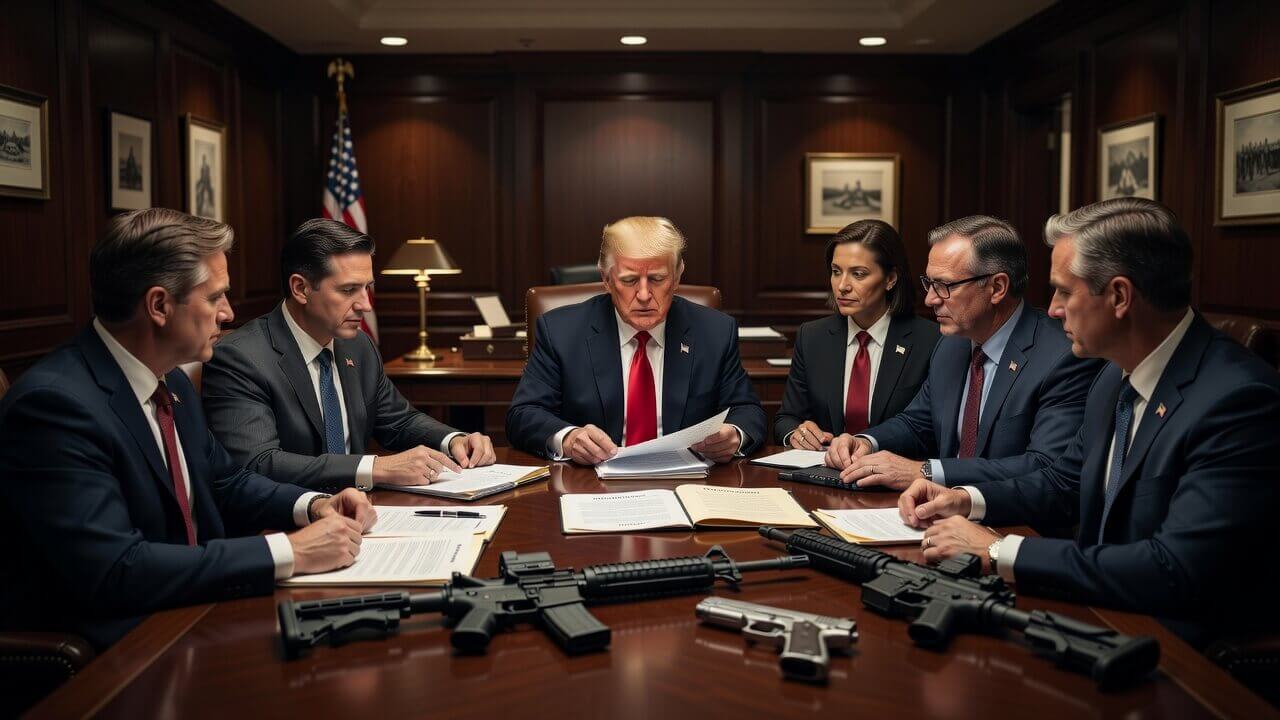
    President Trump reviewing ATF regulatory rollback documents alongside pro-Second Amendment advisors

    Practical Benefits for Everyday Americans

    Transportation rules are also getting a much-needed overhaul. Law-abiding gun owners who travel between states for hunting, competition, or family visits will see simplified requirements that respect the fundamental right to keep and bear arms without arbitrary state-line hurdles. Licensing processes are targeted for streamlining as well, cutting down on delays that have frustrated new and experienced shooters alike.

    These changes don’t eliminate background checks or legitimate safety measures—they simply remove the layers of regulatory mission creep that turned minor paperwork errors into potential felonies. Supporters argue this returns the focus of federal agencies to actual criminals rather than harassing lawful citizens.

    A Win for Constitutional Principles

    From ranges in Texas to gun shops in Pennsylvania, the reaction has been overwhelmingly positive. This package of reforms signals that the federal government is finally listening to the millions of Americans who view the Second Amendment as a cornerstone of liberty, not a privilege to be micromanaged. With fewer obstacles in place, responsible ownership can flourish, training can expand, and the firearms community can continue building a culture of safety and preparedness without constant fear of new bureaucratic traps.

    As these proposals move through the review process, the message from gun owners is clear: keep the momentum going. Less regulation on the law-abiding means more resources aimed at the true threats—and that’s exactly how our constitutional rights are meant to work.

    Join the Fight - Second Amendment Foundation

    References

  • Senator Hyde-Smith Reintroduces Federal Firearms Licensee Protection Act to Increase Penalties for Smash-and-Grab Thefts

    Senator Hyde-Smith Reintroduces Federal Firearms Licensee Protection Act to Increase Penalties for Smash-and-Grab Thefts

    In a strong move to safeguard America’s firearms industry, U.S. Senator Cindy Hyde-Smith has reintroduced the Federal Firearms Licensee Protection Act, teaming up across the aisle to crack down on the criminals behind smash-and-grab robberies targeting licensed gun and ammunition dealers.

    U.S. Senator Cindy Hyde-Smith speaking at a podium with American flag backdrop, discussing legislation to protect gun dealers

    These brazen attacks have surged in recent years, with thieves smashing through storefronts to steal firearms and ammo that often end up in the hands of violent offenders. The new legislation ramps up federal prison sentences for those who prey on Federal Firearms Licensees, sending a clear message that targeting law-abiding businesses will carry serious consequences.

    Why This Matters for Responsible Gun Owners

    FFLs form the backbone of the legal firearms marketplace. They ensure background checks are performed, records are kept, and guns stay out of prohibited hands. When smash-and-grab crews hit these shops, they’re not just stealing inventory—they’re undermining the very system that keeps firearms commerce safe and regulated under the Second Amendment.

    Hyde-Smith’s bill recognizes this reality by treating these targeted thefts with the gravity they deserve. Tougher penalties mean fewer stolen guns circulating on the black market and greater peace of mind for the thousands of small business owners who serve America’s gun community every day.

    Bipartisan Support Sends the Right Signal

    What’s especially encouraging is the bipartisan nature of this effort. Protecting licensed dealers from violent crime shouldn’t be a partisan issue. Criminals don’t care about party lines when they’re loading up stolen ARs and handguns, and neither should lawmakers when it comes to stopping them.

    This legislation builds on previous attempts to deter FFL thefts while focusing on real-world deterrence through enhanced federal sentencing. It prioritizes going after the actual predators rather than burdening lawful gun owners with more restrictions.

    With smash-and-grab incidents making headlines across the country, this reintroduction arrives at a critical time. Supporting our FFLs means supporting the entire ecosystem of responsible firearm ownership—from the range to the ranch to home defense. Senator Hyde-Smith deserves credit for keeping this important protection front and center.

    Join the Fight - Second Amendment Foundation

    References

  • Supreme Court Declines Appeal Challenging New York State Gun Industry Liability Law

    Supreme Court Declines Appeal Challenging New York State Gun Industry Liability Law

    The U.S. Supreme Court’s decision to let New York’s gun industry liability law stand represents yet another frustrating chapter in the ongoing legal war against Second Amendment freedoms. By declining to hear the appeal, the justices have effectively greenlit a statute that opens the door to endless civil suits against manufacturers, wholesalers, and dealers for so-called public nuisances. This isn’t about public safety—it’s a calculated attempt to bankrupt lawful businesses that simply exercise their constitutional rights.

    Why This Law Misses the Mark

    New York’s 2021 statute allows plaintiffs to drag gun companies into court over crimes committed with their products, even when those companies followed every federal and state regulation. Pro-2A advocates have long warned that this kind of liability scheme ignores the real criminals while punishing the very industry that equips millions of law-abiding Americans for self-defense. The result? Higher costs passed on to consumers, reduced innovation, and a chilling effect on the entire firearms market.

    Exterior view of the U.S. Supreme Court building under a clear sky, symbolizing the recent decision on gun liability laws

    Broader Implications for Gun Rights

    This ruling doesn’t just affect New York businesses—it sets a dangerous precedent that other anti-gun states are eager to follow. Firearm manufacturers already navigate a thicket of regulations; layering on nuisance lawsuits threatens their ability to operate at all. For everyday gun owners, it means fewer options, higher prices, and a message that the industry itself is under siege. True accountability belongs with violent offenders, not with companies that produce legal products used overwhelmingly for lawful purposes.

    What’s Next for the 2A Community

    While the Supreme Court passed on this case, the fight continues in legislatures, lower courts, and at the ballot box. Pro-Second Amendment organizations are already mobilizing to push back against similar copycat laws nationwide. Gun owners can make their voices heard by supporting candidates who defend the right to keep and bear arms and by staying informed about these legal developments. The Constitution didn’t survive this long by accident—vigilance remains essential.

    Join the Fight - Second Amendment Foundation

    References

  • Supreme Court Rules Unlawful Drug Users May Legally Possess Firearms in 9-0 Decision

    Supreme Court Rules Unlawful Drug Users May Legally Possess Firearms in 9-0 Decision

    In a stunning affirmation of constitutional principles, the Supreme Court delivered a unanimous 9-0 ruling that dismantles key parts of the federal ban on firearm possession by certain drug users. This decision in the Ali Hemani case marks a major step forward for individual liberty, rejecting the notion that the government can strip Americans of their Second Amendment rights based on outdated and overly broad prohibitions from the 1986 Gun Control Act.
    Dramatic wide-angle view of the U.S. Supreme Court building at sunrise with an American flag waving prominently in the foreground
    The Court found that the lifetime prohibition on gun ownership for unlawful drug users fails historical and constitutional scrutiny under the Second Amendment. Rather than treating this as a blanket disqualification, the justices emphasized that such restrictions must align with the nation’s founding-era traditions of firearm ownership. This ruling effectively dismisses prosecutions that relied on vague or minor drug-related conduct without evidence of actual danger or violence.
    Gun owners and constitutional scholars alike are hailing the decision as a long-overdue correction. For decades, the 1986 law cast too wide a net, ensnaring individuals who posed no threat yet faced felony charges simply for exercising their right to keep and bear arms. The Hemani case exposed how these rules often targeted everyday Americans rather than hardened criminals, turning law-abiding citizens into targets of federal overreach.
    This unanimous outcome sends a clear message to lawmakers: future gun control efforts must respect the plain text and historical understanding of the Second Amendment. Expect renewed challenges to other status-based bans, from domestic violence misdemeanors to mental health adjudications, as courts apply the same rigorous review. The ruling reinforces that the right to self-defense belongs to the people, not subject to bureaucratic whims or shifting political priorities.
    Pro-Second Amendment groups are already preparing to build on this momentum in lower courts. With the Supreme Court’s backing, millions of Americans can breathe easier knowing their fundamental rights receive stronger protection against arbitrary disarmament. This isn’t just a win for one defendant—it’s a victory that strengthens the entire framework of liberty for generations to come.

    Join the Fight - Second Amendment Foundation

    References

  • Defense Secretary Hegseth Ends Gun-Free Zones Allowing Off-Duty Troops Private Firearm Carry on Bases

    Defense Secretary Hegseth Ends Gun-Free Zones Allowing Off-Duty Troops Private Firearm Carry on Bases

    In a bold move that champions the rights of those who serve, Defense Secretary Pete Hegseth has taken decisive action to restore the ability of off-duty service members to protect themselves on military installations across the country. By directing base commanders to approve requests for privately owned firearms, this policy directly confronts the dangerous reality of gun-free zones that have left our troops vulnerable for far too long.

    Off-duty U.S. service member carrying a privately owned firearm while walking across a secure military installation at dusk

    The memo, issued in April 2026, presumes that personal protection is a valid and necessary reason for responsible gun ownership on base. It explicitly references the Second Amendment as a foundational principle, recognizing that the men and women who defend our nation should not be stripped of their fundamental right to self-defense simply because they are on federal property.

    Learning from Tragic History

    Past incidents at installations like Fort Hood and the Washington Navy Yard exposed the deadly flaws in strict gun-free policies. In each case, attackers exploited the fact that law-abiding service members were disarmed by regulation, unable to respond effectively until law enforcement arrived. Hegseth’s directive flips this script by empowering trained professionals who already carry weapons in combat zones to do the same stateside when off duty.

    This isn’t about turning bases into the Wild West—it’s about common-sense recognition that criminals and terrorists don’t follow signs or policies. Responsible gun owners, especially those with military training, represent a deterrent and a rapid response capability that bureaucratic restrictions have long suppressed.

    A Win for Individual Liberty

    Service members swear an oath to defend the Constitution, including the Bill of Rights. Allowing them to exercise their Second Amendment freedoms on base aligns policy with that oath. Base commanders retain oversight through an approval process, ensuring that only those who meet standards can carry, while removing the blanket prohibition that treated every troop as a potential threat rather than a trusted defender.

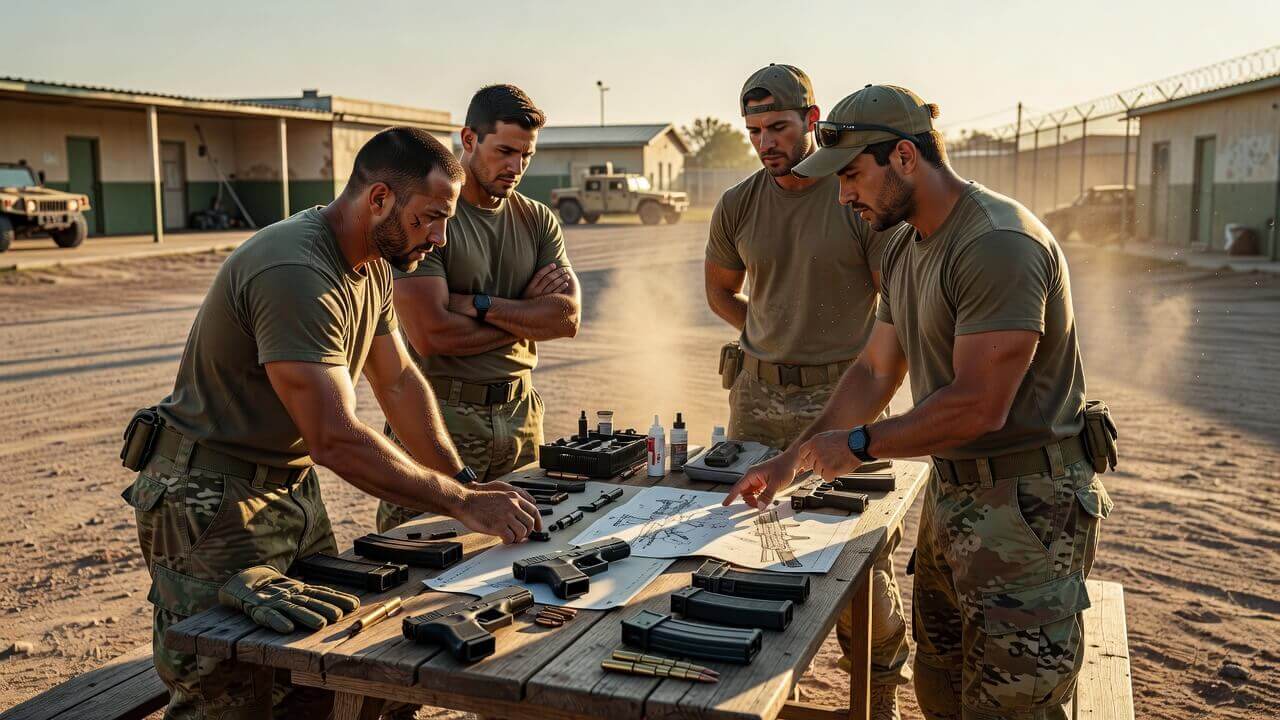
    Group of off-duty soldiers discussing firearm safety and training on a U.S. military base

    Critics may claim this increases risk, but data and real-world experience tell a different story. Law-abiding armed citizens have repeatedly proven to be a stabilizing force, not a source of chaos. Our troops already handle firearms with exceptional discipline—why deny them that same capability when protecting their families and fellow service members at home?

    This policy marks a significant shift toward treating the Second Amendment as a living right rather than a restricted privilege. It sends a clear message: those who protect America deserve the tools to protect themselves. As more bases implement these approvals, expect to see a renewed emphasis on training, responsibility, and the core American principle that self-defense is not negotiable.

    Join the Fight - Second Amendment Foundation

    References

  • New Bill HR 9298 Introduced to Strengthen Liability Protections Under Protection of Lawful Commerce in Arms Act

    New Bill HR 9298 Introduced to Strengthen Liability Protections Under Protection of Lawful Commerce in Arms Act

    The firearms industry just got a major shot in the arm with the introduction of H.R. 9298. This new legislation aims to reinforce the critical safeguards already in place under the Protection of Lawful Commerce in Arms Act (PLCAA), ensuring that manufacturers, distributors, and retailers can continue serving law-abiding Americans without fear of predatory lawsuits.

    Legislative bill document on wooden desk with gavel and American flag in background

    Passed back in 2005, the PLCAA has long stood as a bulwark against frivolous litigation that attempts to hold the gun industry responsible for the criminal actions of third parties. Anti-Second Amendment activists have repeatedly tried to chip away at these protections through the courts, but H.R. 9298 seeks to close loopholes and make those protections even clearer and stronger.

    Why This Matters for Gun Owners

    Without strong liability shields, manufacturers could be forced to divert resources away from developing better firearms, safety features, and training tools just to fight endless legal battles. That hurts everyone who values their right to keep and bear arms. This bill keeps the focus where it belongs: on holding criminals accountable, not on bankrupting companies that follow the law.

    Supporters of the measure point out that these protections don’t grant immunity for illegal behavior. Instead, they prevent activist judges and trial lawyers from rewriting the rules through lawsuits designed to achieve what they can’t win at the ballot box or in Congress.

    Standing Up for Lawful Commerce

    Firearms retailers and makers play a vital role in our communities. They provide tools for self-defense, sport, and heritage. H.R. 9298 ensures they can keep doing that work without constantly looking over their shoulder for the next wave of lawfare.

    Now is the time for pro-2A citizens to make their voices heard. Contact your representatives and urge them to support this important legislation that defends both the Second Amendment and the businesses that make it a reality.

    Join the Fight - Second Amendment Foundation

    References

  • North Carolina Repeals Long-Standing Handgun Permit-to-Purchase Requirement

    North Carolina Repeals Long-Standing Handgun Permit-to-Purchase Requirement

    In a landmark decision that champions individual liberty, North Carolina has finally scrapped its outdated handgun permit-to-purchase requirement, ending a century-old barrier that stood between law-abiding citizens and their Second Amendment rights. This move isn’t just a policy tweak—it’s a powerful affirmation that responsible adults shouldn’t need government permission slips to exercise a fundamental freedom.

    A Relic of the Past Meets Modern Realities

    For generations, North Carolinians faced an extra layer of bureaucracy just to buy a handgun. The old system demanded a sheriff-issued permit, complete with fingerprints, fees, and waiting periods that often stretched beyond what’s reasonable. While supporters claimed it kept guns out of the wrong hands, the reality showed it disproportionately burdened everyday citizens—hunters, homeowners, and those simply seeking self-defense—without delivering measurable safety gains. Background checks through the federal NICS system already handle that screening effectively nationwide.

    North Carolina residents proudly displaying firearms in a rural setting under clear skies

    Why This Repeal Matters for Gun Owners

    By eliminating the permit mandate, the state has streamlined the process and reinforced the principle that the right to keep and bear arms belongs to the people, not subject to arbitrary local gatekeepers. Pro-2A advocates across the country are hailing this as a common-sense victory that aligns with constitutional carry trends sweeping other states. Law-abiding buyers can now focus on selecting the right firearm for protection or sport rather than navigating red tape.

    Critics of the change often cite concerns over rising gun violence, yet data from states with fewer purchase restrictions consistently shows that armed, trained citizens deter crime more effectively than bureaucratic hurdles. North Carolina’s mixed legislative history on firearms—balancing some restrictions with growing recognition of rights—makes this repeal a standout step toward consistency with the Founders’ vision.

    Looking Ahead: A Stronger Stand for Freedom

    This reform opens doors for new gun owners while empowering existing ones. It sends a clear message to other states still clinging to permit-to-purchase schemes: the era of treating the Second Amendment like a privilege is fading. Expect increased participation in training courses, range time, and responsible ownership as barriers fall.

    Symbolic image of the American flag alongside a modern handgun representing constitutional rights

    North Carolina’s decision proves that restoring access to firearms ownership strengthens communities by fostering self-reliance and deterrence. As the debate continues, one truth remains: protecting the right to bear arms isn’t about politics—it’s about preserving the liberty that defines America.

    Join the Fight - Second Amendment Foundation

    References

  • What Do Vampires and the Founding Fathers Have in Common?

    What Do Vampires and the Founding Fathers Have in Common?

    GunStuff TV is proud to bring you another must-watch episode featuring Kostas Moros, Director of Legal Research and Education for the Second Amendment Foundation (SAF). In this timely discussion, originally aired on June 25, 2026, Kostas breaks down two major recent Supreme Court rulings that reinforce our constitutional right to keep and bear arms.

    The “Vampire Rule” and Founding-Era Wisdom

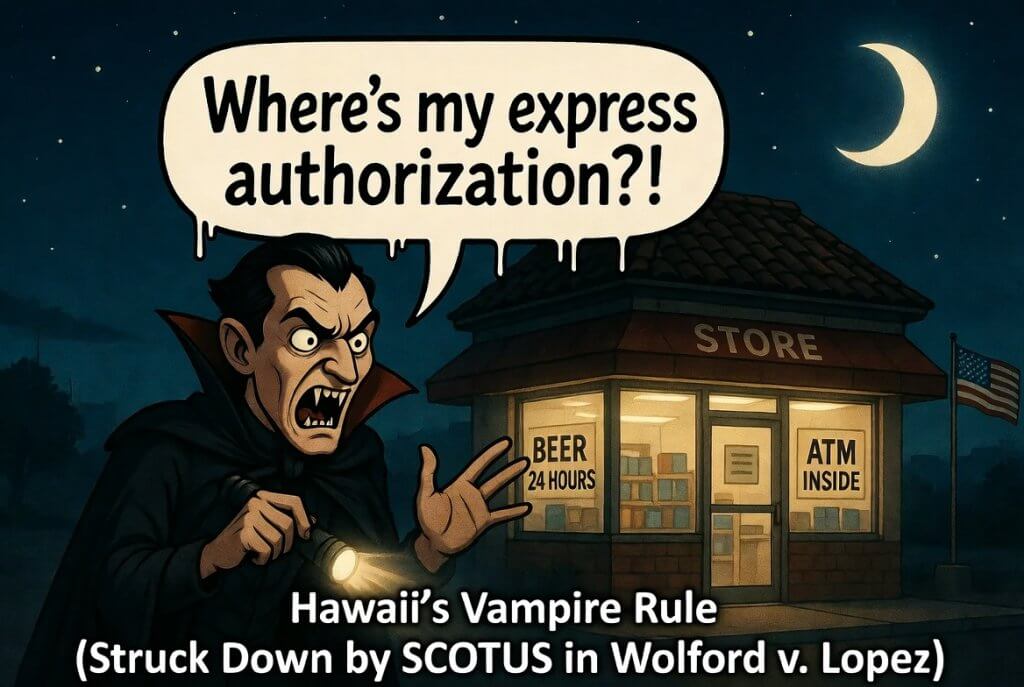
    The episode title cleverly nods to a key theme in one of the cases: the idea that certain restrictions on gun rights only apply under very narrow, extreme conditions — much like how vampires are only vulnerable under specific circumstances (sunlight, stakes, etc.). The Founding Fathers understood self-defense as a fundamental right, and modern courts are increasingly aligning with that original understanding.

    Key Cases Discussed

    1. United States v. Hemani (Decided June 18, 2026) In a unanimous 9-0 decision authored by Justice Neil Gorsuch, the Supreme Court held that the federal ban on firearm possession by “unlawful users” of controlled substances (18 U.S.C. § 922(g)(3)) is unconstitutional as applied to someone like Ali Hemani — a marijuana user who was not actively intoxicated or demonstrating dangerousness at the time of possession.

    • The Court emphasized that historical analogues for disarmament were limited to those whose habitual, extreme intoxicant use rendered them incapacitated or a clear danger.
    • This ruling protects law-abiding citizens who use substances like marijuana (legal in many states) from automatic federal disarmament without proof of contemporaneous impairment.
    • Concurring opinions reinforced the limits of such categorical bans under the Second Amendment.

    2. Wolford v. Lopez This case challenges Hawaii’s restrictions on concealed carry, particularly the requirement for express permission from property owners to carry on private property open to the public (e.g., stores, restaurants). The decision addresses whether such laws impermissibly burden the right to bear arms in public spaces consistent with historical traditions.

    Kostas provides expert insight into the arguments, historical context, and implications for gun owners nationwide, especially in light of Bruen’s history-and-tradition test.

    Why This Matters for Gun Owners

    These rulings represent significant wins for the Second Amendment:

    • They push back against overly broad, categorical restrictions.
    • They affirm that the right to keep and bear arms isn’t a “second-class right.”
    • They provide clarity and stronger legal footing for challenges to similar laws across the country.

    Kostas Moros, with his deep experience litigating 2A cases and authoring amicus briefs, delivers clear, actionable analysis that every shooter, concealed carrier, and 2A supporter should hear.

    Watch the Full Episode

    Head over to our Vimeo page to watch the complete interview: What Do Vampires and the Founding Fathers Have in Common?

    Don’t miss future episodes of GunStuff TV — your premier source for shooting sports, Second Amendment news, events, and expert commentary. Subscribe to our newsletter, follow us on social media, and check the GunStuff TV Events Calendar for competitions and training near you.

    What are your thoughts on these SCOTUS decisions? Drop a comment below or join the conversation on our social channels. Stay armed with knowledge — and stay safe out there!

    GunStuff TV — America’s #1 Destination for Shooting Sports and 2A Insights.

  • GOA Exposes ATF’s Illegal Billion Record Gun Database – GunStuff TV

    GOA Exposes ATF’s Illegal Billion Record Gun Database – GunStuff TV

    Erich Pratt from Gun Owners of America recaps his testimony in front of the U.S. Senate exposing the ATF’s gun registry database of nearly one billion records.

    In April 2026, Gun Owners of America Senior Vice President Erich Pratt testified before the Senate Committee on Homeland Security and Governmental Affairs. He laid bare the shocking reality: the ATF has amassed nearly one billion records on American gun owners — with 94% already digitized and searchable.

    Nearly 1 Billion Records
    94% digitized • Searchable by name, address, make, model & serial number
    This is the very definition of an illegal national gun registry.

    This massive database directly violates federal law (18 U.S.C. § 926(a)(3)), which prohibits the creation of a national gun registry. GOA first blew the whistle in 2021 when they discovered the Biden ATF was adding 54 million records in a single year. The numbers have only exploded since.

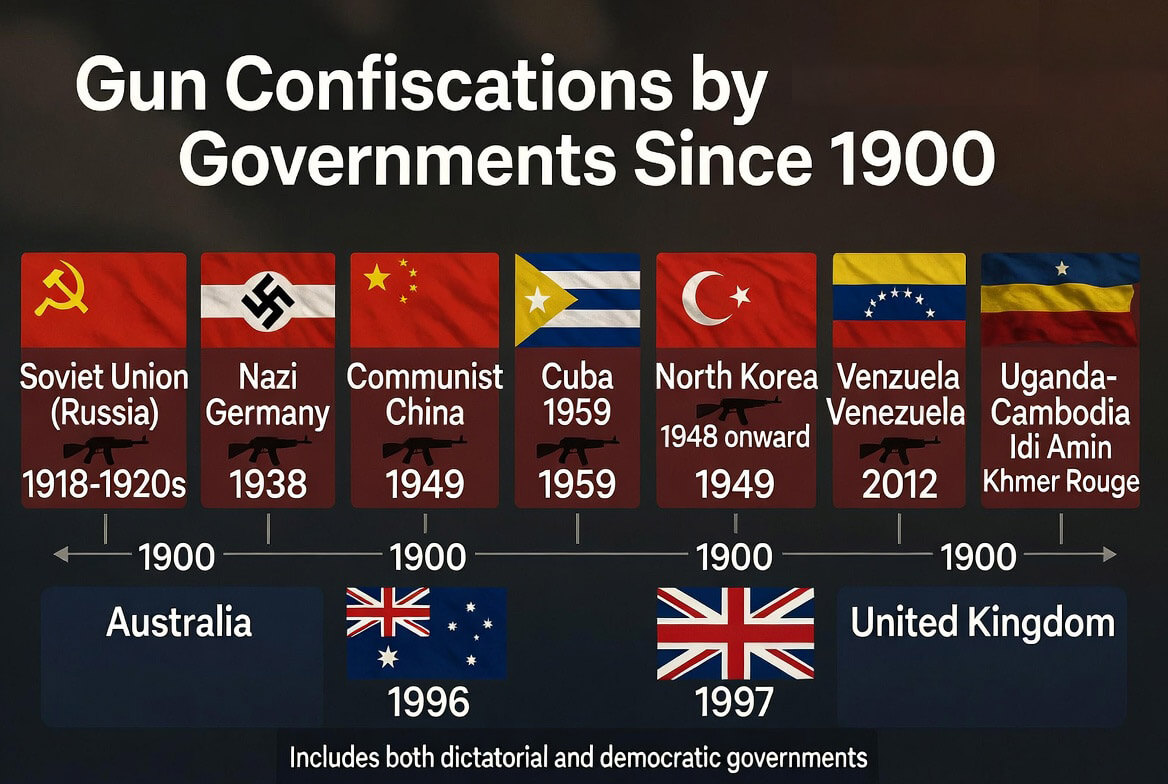
    Pratt warned senators that this registry functions as a “confiscation list waiting to be used.” With names, addresses, and detailed firearm information already in digital form, the infrastructure for future gun confiscation is already in place.

    Key Takeaways from the Testimony

    • The ATF maintains over 920 million gun transaction records — most now searchable.
    • 94% are already in digital format, making them easy to query.
    • GOA is calling on Congress to immediately delete this illegal registry.
    • Pratt also urged action on nationwide concealed carry reciprocity and rolling back other ATF overreach.

    This is one of the most important interviews GunStuff TV has aired on the growing threat of government gun owner registration. Every American who owns a firearm needs to understand what the ATF has built — and what it means for the future of the Second Amendment.

    Featuring: Erich Pratt — Senior Vice President, Gun Owners of America

    Sources & Further Reading:

    Full Testimony PDF – Erich Pratt (April 15, 2026)

    GOA: Congress Must Delete ATF’s Illegal Registry

  • Tennessee Legislature Passes Landmark Law Requiring Blood Tests and Toxicology Screening for Psychotropic Drugs in Mass Shooters

    Tennessee Legislature Passes Landmark Law Requiring Blood Tests and Toxicology Screening for Psychotropic Drugs in Mass Shooters

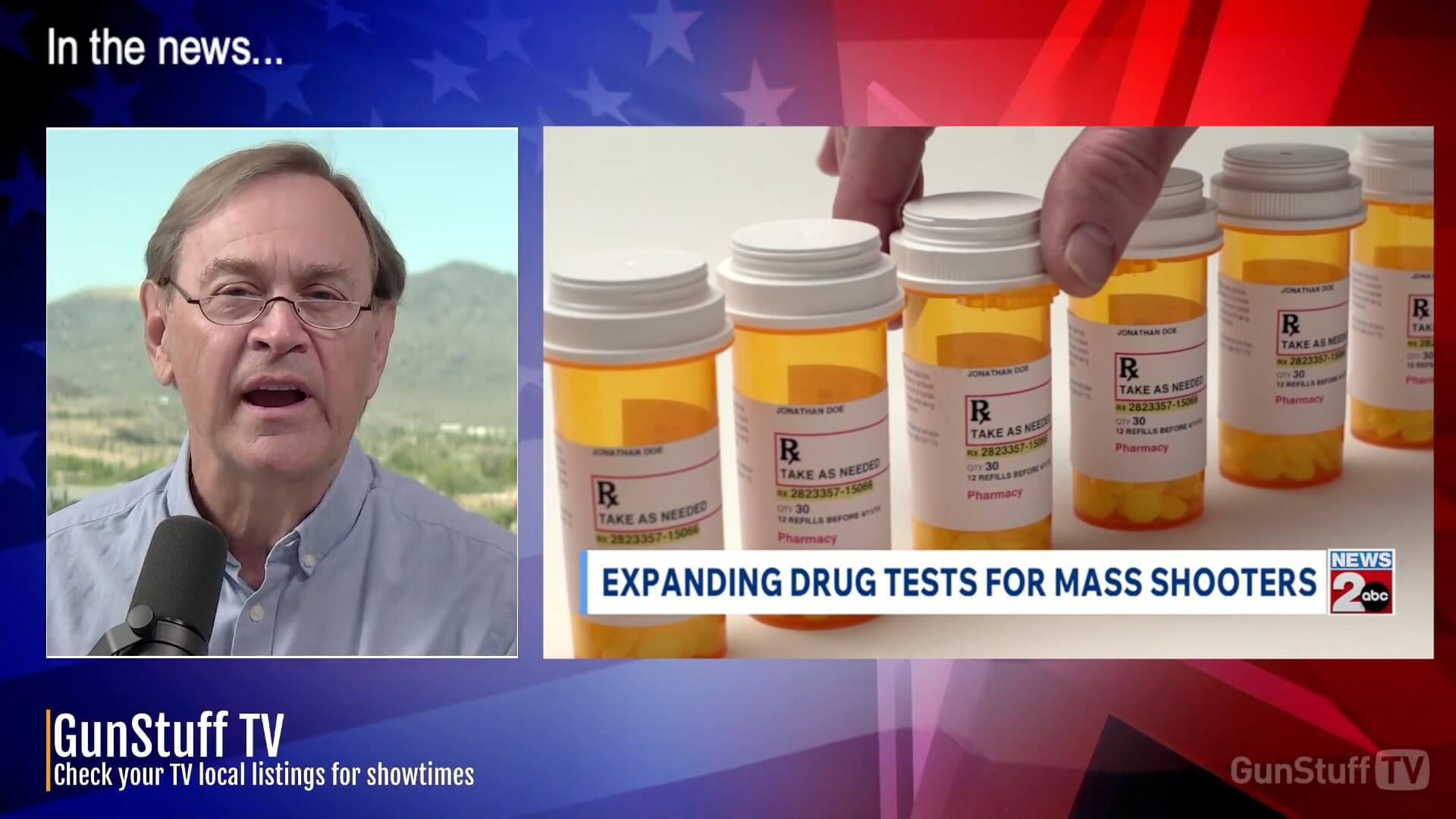
    In a move that’s drawing national attention from 2A advocates and mental health watchdogs alike, Tennessee has enacted legislation aimed at uncovering potential connections between psychotropic drugs and mass shootings. On May 21, 2026 Sheila Matthews of AbleChild appeared on GunStuff TV to explain.

    Signed into law by Governor Bill Lee in April 2025 (effective July 1, 2025), Senate Bill 1146 / House Bill 1349 requires county medical examiners or regional forensic centers to take specific actions during autopsies of decedents suspected of committing a mass shooting that resulted in four or more deaths:

    • Consult the shooter’s treating mental health professional or primary care physician (if known) to gather information on psychotropic drug use.
    • Test the decedent for the presence of any drugs, including psychotropic medications such as antidepressants (SSRIs), benzodiazepines, and others.
    • Send a blood sample to the University of Tennessee Health Science Center College of Pharmacy for further analysis of drug interactions.
    • Report findings (with personal identifiers redacted) to the UT Health Science Center and the Tennessee Department of Health.

    A 2026 expansion bill (SB 2088 / HB 2013, signed May 2026, effective July 1, 2026) broadens the scope to incidents involving 4+ injuries or clear attempts to kill multiple people. It also allows law enforcement to request blood or urine tests from living suspects with probable cause and consent.

    Why This Matters to Gun Owners

    While the mainstream media often rushes to blame guns and the Second Amendment after these tragedies, Tennessee lawmakers are asking tougher questions about mental health treatment, prescription drugs, and their potential role in violent outbursts. This data-driven approach could provide real answers instead of the usual rush to more gun control.

    Advocates like AbleChild have praised the law for shining a light on psychiatric drug risks that are too often ignored.

    Official Bill Text: SB 1146 on Tennessee General Assembly site

    Read more background: Tennessee Mass Shooter Law: Psychotropic Drug Toxicology Testing Explained

    GunStuff TV Takeaway: Real solutions to violence start with honest investigation—not infringing on the rights of law-abiding citizens. We’ll continue tracking this story and similar developments in ATF rules, state legislation, and mental health policy. Stay tuned for more 2A news.

    What do you think? Should more states follow Tennessee’s lead? Drop your thoughts in the comments and share this with fellow gun owners.