Tag: 2026 atf changes

  • ATF Announces Landmark Regulatory Reform Package to Reduce Burdens on Gun Owners and Businesses

    ATF Announces Landmark Regulatory Reform Package to Reduce Burdens on Gun Owners and Businesses

    In a move that has sent ripples of excitement through the firearms community, the Bureau of Alcohol, Tobacco, Firearms and Explosives (ATF) and the Department of Justice have unveiled an ambitious set of regulatory changes aimed squarely at easing the load on law-abiding gun owners and Federal Firearms Licensees alike. This coordinated release of 34 proposed and final rules under the banner of a “New Era of Reform” represents a significant shift toward modernizing decades-old regulations that have long frustrated the Second Amendment community.
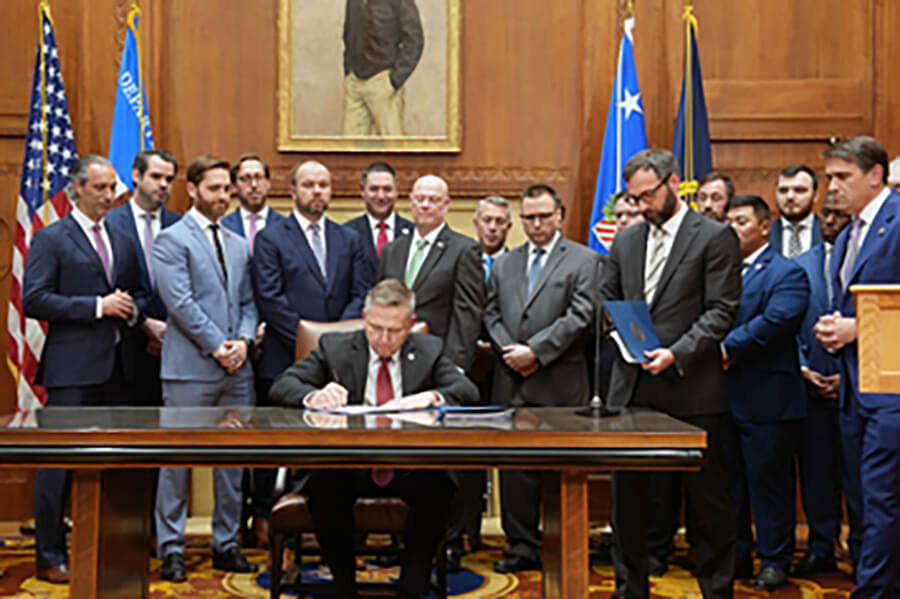
    https://www.atf.gov/news/press-releases/doj-and-atf-announce-regulatory-reforms-to-reduce-burdens-law-abiding-gun-owners-and-businesses

    The timing couldn’t be better. Released in late April 2026 and aligned with executive actions protecting constitutional carry rights, these reforms target everything from outdated recordkeeping requirements to cumbersome NFA processes. FFL holders can expect streamlined operations that cut through red tape, allowing more focus on serving customers rather than wrestling with paperwork.
    Key highlights include clarified compliance guidelines under both the National Firearms Act and Gun Control Act, which promise to reduce ambiguous interpretations that have previously led to unnecessary enforcement actions. Gun owners will benefit from simplified transfer procedures and reduced administrative hurdles when dealing with suppressors, short-barreled rifles, and other NFA items. Businesses, meanwhile, gain clearer pathways for inventory management and reporting, potentially lowering operational costs across the industry.
    This package doesn’t just tweak minor details—it modernizes the entire framework. By prioritizing efficiency and fairness, the reforms acknowledge that responsible firearms ownership is a protected right, not a privilege subject to endless bureaucratic hurdles. Industry leaders are already hailing the changes as a long-overdue correction that strengthens the ecosystem supporting America’s gun culture.
    Looking ahead, these updates could pave the way for even greater innovations in compliance technology and training resources. For enthusiasts and professionals tracking ATF developments, this moment marks an encouraging step forward—one that reinforces the principle that regulations should enable, not obstruct, the exercise of Second Amendment freedoms. Stay tuned as the public comment periods unfold and the full impact takes shape.

    Join the Fight - Second Amendment Foundation

    References

  • ATF Proposes Streamlined NFA Markings and Spousal Joint Registration Rules

    ATF Proposes Streamlined NFA Markings and Spousal Joint Registration Rules

    The ATF’s latest proposals represent a welcome shift toward common-sense reforms in the often-frustrating world of National Firearms Act compliance. For years, law-abiding Americans have dealt with redundant markings and cumbersome paperwork that served little purpose beyond bureaucratic expansion. These new rules aim to cut through some of that red tape, letting responsible gun owners focus on what matters most: exercising their Second Amendment rights without unnecessary hurdles.

    Streamlining Markings for Makers

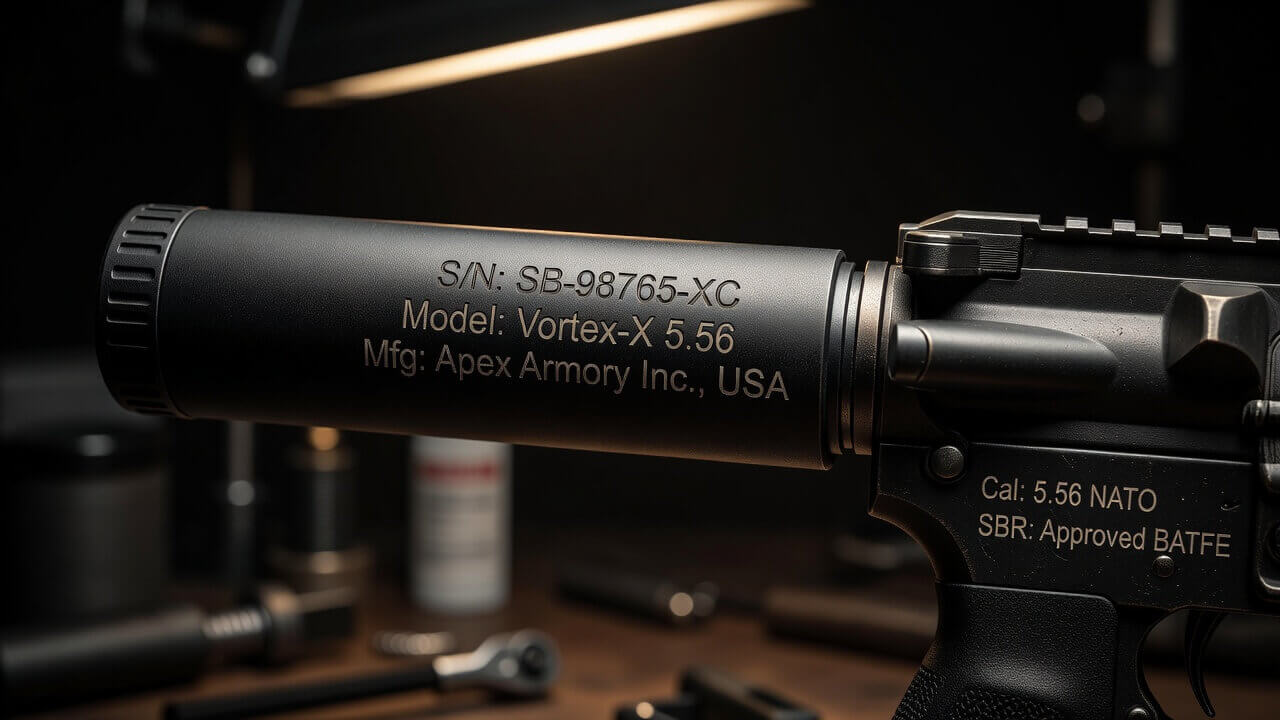
    Under the proposed changes, NFA firearm makers will no longer need to apply duplicate engravings when the original manufacturer markings already meet the requirements. This eliminates pointless repetition that adds time, cost, and potential for error during the build process. Imagine spending hours carefully engraving a receiver only to realize the factory stamp already covers the essentials—those days could soon be behind us. The move acknowledges that over-regulation doesn’t enhance safety; it simply burdens the very citizens who follow the rules.

    Close-up of precise factory markings on a suppressor and short-barreled rifle receiver

    Joint Registration for Married Couples

    Perhaps the most family-friendly update allows spouses to file joint applications for NFA registration and transfers. No more forcing couples into expensive trusts just to share ownership of a suppressor or short-barreled rifle. This directly reduces administrative costs and paperwork while recognizing that marriage itself provides a stable legal framework for joint property. Pro-Second Amendment families will appreciate the ability to build collections together without jumping through extra hoops designed for unrelated parties.

    These proposals reinforce a key principle: the right to keep and bear arms belongs to individuals and families, not government gatekeepers. By cutting redundant requirements, the ATF is taking small but meaningful steps toward respecting the Constitution over expanding its own reach. Gun owners who value efficiency and fairness should view this as progress worth celebrating—and monitoring closely as the rules move forward.

    Stay tuned for updates, and keep your voice heard in support of further reforms that prioritize liberty over bureaucracy.

    Join the Fight - Second Amendment Foundation

    References

  • Feds Bust International Gun Smuggling Ring Exploiting Akwesasne Mohawk Reservation Border

    Feds Bust International Gun Smuggling Ring Exploiting Akwesasne Mohawk Reservation Border

    The recent federal takedown of an international gun-smuggling operation running through the Akwesasne Mohawk Territory should serve as a stark reminder that determined criminals will always find ways around the law. For years, authorities say, this ring moved dozens of firearms from the United States into Canada by exploiting the unique border geography and tribal sovereignty rules along the St. Lawrence River. Thirteen people now face charges, several of them Akwesasne residents. Yet the real story here is not about American gun owners—it is about porous borders, special-status territories, and the futility of treating law-abiding citizens as the problem.

    Aerial view of the Akwesasne Mohawk Territory straddling the U.S.-Canada border with marked smuggling paths along the St. Lawrence River

    According to prosecutors in New Hampshire and New York, the scheme began in 2021 and relied on the fact that parts of the Akwesasne reservation sit on both sides of the international line. Smugglers allegedly purchased firearms legally in the U.S., then shuttled them across the reservation into Canada where gun ownership is far more restricted. The operation highlights a long-standing enforcement challenge: when geography and jurisdictional quirks create gray areas, criminals rush to fill them. This is not a failure of the Second Amendment; it is a failure of border security and coordinated law enforcement.

    Criminals Exploit Loopholes—Not Lawful Gun Owners

    Pro-Second Amendment advocates have long warned that additional restrictions on American citizens simply create new opportunities for black-market operators. The Akwesasne case proves the point. Every firearm traced in this investigation started its life as a legal purchase. The moment it crossed into criminal hands, existing laws against trafficking and straw purchases were already being broken. Adding more red tape for law-abiding buyers would not have stopped these smugglers; it would only have made the black-market premium higher and the profits sweeter for the next ring willing to take the risk.

    Canada’s strict gun-control regime is often held up as a model by American restrictionists. Yet the very existence of this pipeline demonstrates that even nations with some of the toughest firearms laws on the planet cannot keep illegal guns out when determined networks exploit every crack in the border. The solution lies in aggressive prosecution, better inter-agency cooperation, and physical security—not in disarming the American public.

    What the Data Actually Shows

    Federal tracing data consistently reveals that the overwhelming majority of firearms recovered in Canada were never intended for legal export. Instead, they are diverted through theft, straw purchases, or—exactly as seen here—organized smuggling across tribal lands and remote border crossings. The Akwesasne ring simply followed a well-worn path that has existed for decades with cigarettes, drugs, and now firearms. Blaming U.S. gun stores or the Second Amendment for this activity ignores the actual mechanics of the crime.

    Responsible gun owners and Second Amendment supporters should welcome swift federal action against these networks. Every successful prosecution removes another vector for illegal guns and protects the rights of lawful citizens who follow the rules. The focus must remain on the bad actors, not on punishing the 99 percent of Americans who exercise their constitutional rights without incident.

    Border security matters. Jurisdictional clarity on tribal lands matters. And recognizing that criminals do not obey gun-control edicts matters most of all. The Akwesasne bust is one more data point confirming what pro-2A Americans have said for years: secure the border, prosecute traffickers aggressively, and leave the rest of us alone.

    Join the Fight - Second Amendment Foundation

    References

  • New Legal Strategy Challenges ATF Interpretation of 1986 Hughes Amendment on Machine Gun Ban

    New Legal Strategy Challenges ATF Interpretation of 1986 Hughes Amendment on Machine Gun Ban

    In the ongoing battle for Second Amendment freedoms, a fresh wave of legal innovation is taking aim at one of the most restrictive federal overreaches in modern gun control history. Gun rights advocates and constitutional scholars are crafting a bold new argument that could reshape access to machine guns for law-abiding citizens, particularly in states ready to push back against bureaucratic overreach.

    The Hughes Amendment, tacked onto the 1986 Firearm Owners’ Protection Act, has long been interpreted by the ATF as a blanket prohibition on the civilian ownership of machine guns manufactured after May 19, 1986. This reading effectively froze the supply of transferable machine guns, driving prices into the stratosphere and limiting options for collectors and enthusiasts. But experts now contend the ATF stretched the amendment’s text far beyond its plain meaning, ignoring key distinctions in the statute and the constitutional limits on federal power.

    Detailed image of a federal courtroom with documents and a gavel emphasizing Second Amendment litigation

    This reinterpretation gains serious traction in the post-Chevron landscape, where courts no longer rubber-stamp agency interpretations of ambiguous statutes. Without Chevron deference propping up the ATF’s expansive view, judges are free to apply traditional tools of statutory construction—and many legal minds believe the Hughes language simply does not support a total nationwide ban on post-1986 machine guns when read alongside the broader framework of the National Firearms Act.

    West Virginia and Kentucky stand out as prime testing grounds for this strategy. Both states boast strong pro-Second Amendment traditions and legislatures willing to explore creative legislation that could force federal courts to confront the ATF’s overreach head-on. Targeted state laws recognizing the right to manufacture or possess certain post-1986 machine guns for lawful purposes, paired with swift court challenges, could create the perfect vehicle for dismantling the current restrictions. Success here would not only restore access but also send a powerful message that states need not wait for federal permission to vindicate constitutional rights.

    Critics of the ATF’s long-standing position point to the amendment’s actual wording, which focused on prohibiting transfers rather than imposing an outright manufacturing ban. In an era where individual rights are receiving renewed judicial scrutiny, this distinction matters. Pro-2A organizations are already lining up amicus support and preparing model legislation, betting that clear-eyed courts will side with history, text, and the fundamental right to keep and bear arms—including the most effective defensive tools available.

    The stakes could not be higher. Restoring the ability for responsible citizens to own modern machine guns would mark a major victory against decades of incremental disarmament. As these cases move forward, every gun owner should watch closely—because a win in West Virginia or Kentucky could rewrite the rules nationwide.

    Join the Fight - Second Amendment Foundation

    References

  • ATF Announces 34 Rule Revisions to Simplify Suppressor Ownership and Deregulate Accessories

    ATF Announces 34 Rule Revisions to Simplify Suppressor Ownership and Deregulate Accessories

    In a major victory for gun owners across the nation, the Department of Justice and ATF have delivered long-overdue relief with a sweeping set of 34 rule changes. These revisions slash unnecessary hurdles for suppressor ownership while recognizing that law-abiding Americans deserve practical access to hearing protection without endless bureaucratic interference.

    ATF Director Robert Cekada speaking at a podium with American flags and firearm accessories in the background

    Under the leadership of new ATF Director Robert Cekada, the agency is finally prioritizing efficiency over obstruction. The package includes both final rules and proposed updates that cut through years of tangled paperwork requirements. Owners will soon enjoy streamlined applications, faster approvals, and clearer guidelines that treat suppressors as the safety tools they are rather than objects of suspicion.

    Interstate travel just got simpler too. Expanded protections now allow responsible citizens to transport their legally owned suppressors across state lines without jumping through multiple layers of prior approval. This change alone removes a significant barrier for hunters, sport shooters, and families who cross borders regularly for competitions or recreation.

    Manufacturers also benefit from reduced compliance burdens, which should translate into more innovation and availability of quality products. By deregulating certain accessories and clarifying rules that previously created gray areas, the revisions encourage American businesses to focus on building better gear instead of navigating regulatory minefields.

    Pro-Second Amendment groups have quickly praised the moves as a return to common-sense governance. Rather than expanding government control, these updates empower individuals to exercise their rights responsibly. As Director Cekada emphasized in the announcement, the focus remains on protecting public safety through voluntary compliance, not punishing law-abiding citizens with red tape.

    For everyday gun owners, the message is clear: your rights are being restored one practical reform at a time. Whether you’re a first-time suppressor buyer or a longtime enthusiast, these changes mean less time filling out forms and more time at the range enjoying the peace and quiet that comes with proper hearing protection.

    Stay informed and keep advocating. Reforms like these prove that consistent pressure for liberty can shift even entrenched agencies toward respecting the Constitution.

    Join the Fight - Second Amendment Foundation

    References

  • ATF Proposes Rule to Clarify and Expand Interstate Firearm Transportation Protections Under FOPA

    ATF Proposes Rule to Clarify and Expand Interstate Firearm Transportation Protections Under FOPA

    Imagine this: You’re on a cross-country road trip with your legally owned AR-15, headed from a free state like Texas to another like Arizona. You pull over in New York for a quick gas stop or burger run, and suddenly, state troopers swarm you, claiming your rifle violates their “assault weapon” ban. Sound like a nightmare? It has happened before, thanks to overzealous anti-gun prosecutors twisting the law. But relief is on the horizon.

    What is FOPA’s Safe Passage Provision?

    Back in 1986, Congress passed the Firearm Owners’ Protection Act (FOPA), a landmark law that pushed back against federal overreach. Tucked inside is Section 926A of the Gun Control Act, the “safe passage” rule. It states that if your firearm is legal in your starting state and destination state, you can transport it through restrictive states without fear of prosecution—as long as it’s unloaded and inaccessible during transit.

    Simple, right? Not always. Vague wording left room for gun-grabber states like New York, New Jersey, and California to harass travelers with horror stories of arrests over “incidental stops.” Enter the ATF’s latest move.

    ATF’s Game-Changing Proposed Rule

    On May 6, 2026, the Bureau of Alcohol, Tobacco, Firearms and Explosives (ATF) dropped a proposed rule in the Federal Register that finally clarifies and expands these protections. This isn’t just legalese—it’s a shield for everyday gun owners hitting the road, flying, or even dealing with travel hiccups.

    Key wins in the proposal:

    • Incidental Stops Protected: Gas station fill-ups, grabbing a meal, overnight hotel stays, or even flight delays? All covered. No more “gotcha” arrests for normal human needs.
    • Accessories Included: Magazines, ammunition, and other accessories get the same safe passage treatment.
    • Clear Legal Standard: As long as the firearm (and ammo) is legal at origin and destination, you’re good. No state can touch you for merely passing through.
    Federal Register page highlighting ATF proposed rule on FOPA Section 926A with annotations on interstate transport protections

    Why This Matters for 2A Patriots

    This rule slams the door on the worst abuses we’ve seen. Remember the New York traveler arrested in 2013 for a rifle legal in both Pennsylvania and Florida? Or the flyers detained over locked cases during layovers? Those days could be over.

    It’s a pro-Second Amendment victory in an era of patchwork gun laws. Road trips to the range, family visits across state lines, hunting expeditions—no more detours around “gun-free” hellholes. This empowers law-abiding Americans to exercise their rights without Big Brother states playing border patrol.

    But here’s the catch: It’s proposed. Anti-gun groups will flood the comments with fearmongering. We need your voice to lock this in.

    Take Action Now—Submit Comments!

    Head to the Federal Register docket (search for the ATF rule on FOPA 926A). Tell them:

    • This clarifies longstanding law and protects interstate commerce.
    • Real-world examples of harassment demand these expansions.
    • Support finalizing without weakening.

    Deadline isn’t forever—comment today. Copy-paste a template if needed, but make it yours. Your story could be the next “thank you” from a traveler spared arrest.

    The Second Amendment doesn’t stop at state lines. This ATF rule is a step toward true national reciprocity for travel. Stay vigilant, stay armed, and keep fighting. What’s your interstate gun travel story? Drop it in the comments below!

    Stay tuned to GunStuff.tv for updates as this rule progresses. Freedom first.

    Join the Fight - Second Amendment Foundation

    References

  • Trump DOJ and ATF Repeal Biden-Era ‘Gun Show Loophole’ Rule in Sweeping 34-Regulatory Reform Package

    Trump DOJ and ATF Repeal Biden-Era ‘Gun Show Loophole’ Rule in Sweeping 34-Regulatory Reform Package

    Big news for Second Amendment supporters: the Trump Department of Justice and ATF just dropped a bombshell on April 29, 2026, announcing a massive rollback of overreaching Biden-era firearms regulations. At the top of the list? Repealing that infamous 2024 “gun show loophole” rule that forced background checks on unlicensed sellers at gun shows. This is part of a sweeping package of 34 proposed and final rules designed to slash red tape for law-abiding gun owners, Federal Firearms Licensees (FFLs), and the entire firearms industry.

    President Trump signing executive order with ATF Director and DOJ officials celebrating regulatory rollback for gun owners

    Let’s break it down. Under Biden, the ATF tried to expand the definition of “engaged in the business” of selling firearms so broadly that it ensnared hobbyists, occasional sellers at gun shows, and basically anyone who dared transfer a gun without jumping through NICS hoops. Critics—and every pro-2A group out there—called it a blatant attempt to close the so-called “gun show loophole,” a myth peddled by gun-grabbers to demonize private sales. Private transfers between friends, family, or at shows weren’t creating criminals; criminals don’t do background checks anyway.

    Now, under Trump 2.0, the DOJ and ATF are hitting the reset button. This repeal reinstates the long-standing protections for non-dealers, ensuring that Americans can buy, sell, or trade firearms at gun shows without the fear of federal agents breathing down their necks. No more treating grandma selling her late husband’s collection like a black-market arms dealer.

    The Bigger Picture: 34 Rules of Pure Freedom

    This isn’t a one-off victory. The announcement includes a whopping 34 regulatory actions—some finalized, others proposed—that prioritize modernization and deregulation. Here’s a quick hit list of highlights:

    • Streamlined FFL processes: Cutting paperwork and compliance burdens that were choking small businesses and home-based dealers.
    • Suppressor and SBR relief: Easing restrictions on NFA items to make them more accessible without compromising safety.
    • Pistol brace clarity: Finally resolving the absurd ATF flip-flops that turned law-abiding AR pistol owners into felons overnight.
    • Ammo and manufacturing reforms: Reducing costs and delays for producers, which means cheaper rounds for you and me.
    • Export and import modernization: Boosting the industry by cutting bureaucratic hurdles on international trade.

    These changes aren’t just bureaucratic tweaks—they’re a direct response to years of executive overreach that weaponized the ATF against the very people it should protect. The Trump administration is delivering on promises to put America First, including our God-given right to keep and bear arms.

    Vibrant gun show with diverse attendees freely browsing tables of firearms, ammo, and accessories under American flags

    Why This Matters to You

    If you’re a gun show regular, an FFL holder, or just a proud gun owner, this means less hassle, lower costs, and more freedom. Gun shows are the heartbeat of our community—places where knowledge is shared, deals are made, and the next generation learns about responsible ownership. The Biden rule was a direct attack on that culture, but it’s dead now.

    Don’t forget: this is early days in the new administration. With a pro-2A Congress and judiciary, we could see even more wins, like national reciprocity or real ATF reform. But victories like this remind us why we fight—and why we’re winning.

    Stay vigilant, stay armed, and keep supporting the Second Amendment. Head to your local gun show this weekend and celebrate. What reforms are you most excited about? Drop a comment below!

    Follow GunStuff.tv for the latest in pro-2A news, reviews, and gear.

    Join the Fight - Second Amendment Foundation

    References

  • ATF Proposes Removing Pistol Brace ‘Factoring Criteria’ from Rifle Definition in Major 2023 Rule Repeal

    ATF Proposes Removing Pistol Brace ‘Factoring Criteria’ from Rifle Definition in Major 2023 Rule Repeal

    In a massive win for Second Amendment advocates, the ATF has finally thrown in the towel on one of its most despised rules. On May 6, 2026, the Bureau of Alcohol, Tobacco, Firearms and Explosives dropped a Notice of Proposed Rulemaking (NPRM) to completely scrap the infamous 2023 “Factoring Criteria for Firearms with Attached Stabilizing Braces” rule. This bureaucratic nightmare reclassified millions of perfectly legal pistols with stabilizing braces as short-barreled rifles (SBRs) under the National Firearms Act (NFA), forcing gun owners to register, pay taxes, or destroy their property. Not anymore—if this proposal sticks.

    The 2023 Rule: ATF’s Overreach Exposed

    Let’s rewind. Back in 2023, the ATF unleashed a 468-page monster of a rule that invented “factoring criteria” to determine if your pistol brace made it a rifle. Criteria like surface area for shouldering, rear surface length, and even weapon weight? It was a blatant attempt to sidestep Congress and turn everyday AR pistols into NFA headaches. Gun owners flooded the courts, and judges across the country—including the Fifth Circuit—slapped it down as “arbitrary and capricious.” Courts ruled it violated the Administrative Procedure Act and ignored statutory definitions of rifles and pistols.

    This wasn’t regulation; it was regulation by fiat. The ATF twisted the law to disarm law-abiding citizens, all while violent criminals roam free with unregistered ghost guns and sawed-off shotguns.

    What’s Changing? Back to Sanity

    The new NPRM proposes yanking the entire offending section—§ 478.11—right out of the Code of Federal Regulations. No more “factoring criteria.” No more forced reclassification. Pistols with braces return to their pre-2023 status: legal, unregistered, and brace-ready for those with disabilities or anyone who prefers the stability.

    This aligns perfectly with the DOJ and ATF’s April 29 announcement of 34 regulatory reforms aimed at slashing red tape for firearm owners. It’s a direct response to judicial smackdowns and a nod to the reality that the 2023 rule was a legal dud from day one.

    Why This Matters for You

    • Clarity Restored: No more guessing if your brace setup passes ATF’s made-up tests. Stick to the statute: Is it designed to be fired from the shoulder? Boom—rifle. Otherwise? Pistol.
    • Millions Spared: An estimated 3-40 million firearms affected. That’s millions in avoided taxes and paperwork.
    • Precedent Set: Courts holding agencies accountable. This paves the way for challenging other ATF nonsense like the “frame or receiver” rule.
    • 2A Victory: Proof that pushback works. From lawsuits by groups like FPC, GOA, and SAF to individual owners registering braces under protest—the resistance paid off.

    But It’s Not Over Yet—Act Now!

    This is a proposal. There’s a public comment period, so hit the Federal Register docket (docket no. ATF 2026R-XX) and submit your support. Tell them why the 2023 rule was tyrannical and why rescinding it protects disabled shooters, home defenders, and everyday patriots.

    Also, keep pressure on Congress. Support bills like the SHORT Act to codify pistol brace freedom and prevent future ATF games. Your voice—and your vote—keep the Second Amendment strong.

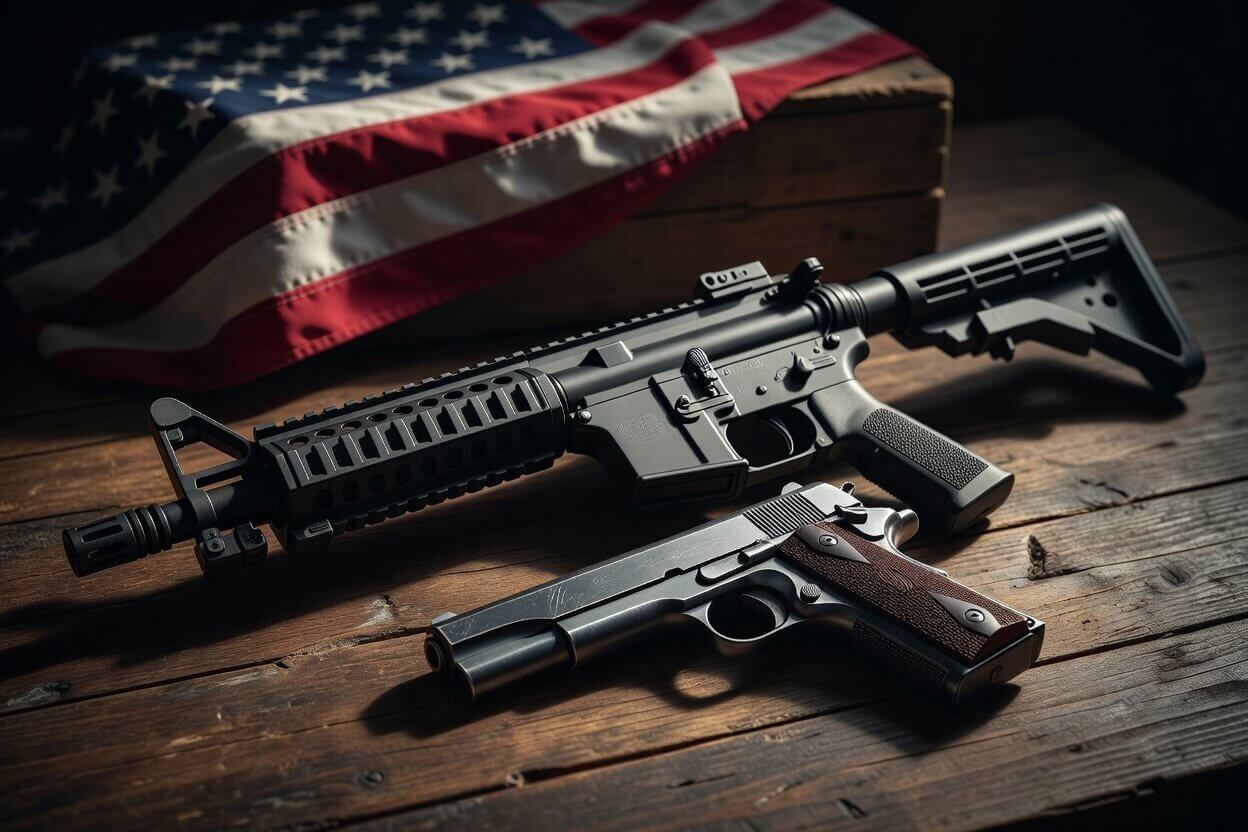
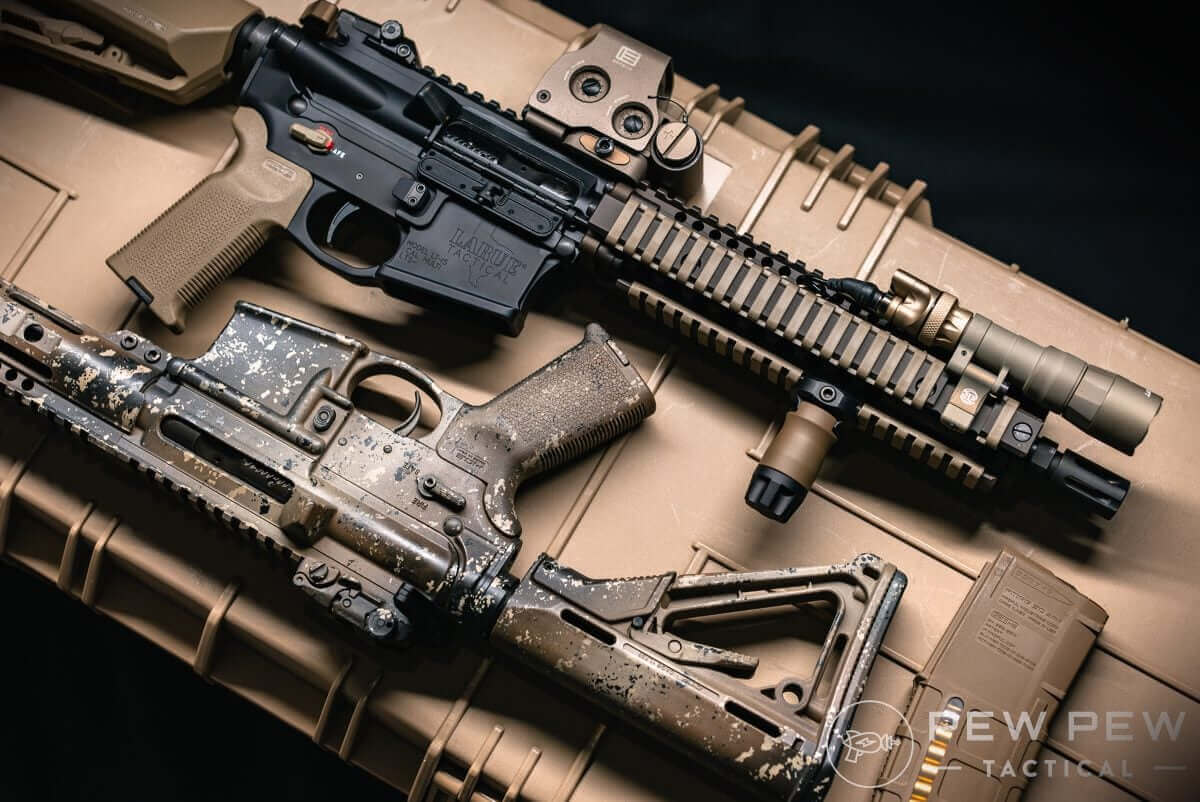
    American flag waving over AR pistol with brace, celebrating ATF rule repeal (via pewpewtactical.com)

    The ATF’s pistol brace blunder is crumbling, and it’s a beacon of hope in the fight for our rights. Stay vigilant, stay armed, and stay free. What are your thoughts on this repeal? Drop a comment below!

    Stay tuned to GunStuff.tv for updates as this NPRM progresses. Molon Labe.

    Join the Fight - Second Amendment Foundation

    References

  • ATF Launches New Era of Reform with Sweeping Regulatory Changes to Ease Burdens on Gun Owners and Dealers

    ATF Launches New Era of Reform with Sweeping Regulatory Changes to Ease Burdens on Gun Owners and Dealers

    Gun owners and firearm dealers alike are breathing a collective sigh of relief as the ATF rolls out an ambitious 2026 reform initiative designed to cut through years of regulatory red tape. This sweeping package emphasizes transparency, eliminates outdated restrictions, and simplifies compliance for everyone from weekend hobbyists to professional FFL holders. After decades of expanding rules that often felt more punitive than protective, these changes signal a genuine shift toward respecting the Second Amendment while still maintaining public safety.

    ATF officials presenting new reform guidelines at a national press event with American flags in the background

    Among the most celebrated updates is the streamlined application process for Federal Firearms Licenses. Dealers will now enjoy faster background checks, reduced paperwork duplication, and clearer guidelines that replace vague legacy interpretations. No longer will small business owners waste countless hours navigating contradictory instructions that previously delayed approvals for months. The new digital portal promises real-time status updates and direct communication channels with ATF reviewers, turning what used to be a frustrating black hole into a transparent, efficient system.

    For everyday gun owners, the reforms bring welcome relief on multiple fronts. Legacy rules surrounding certain accessories and configurations have been rolled back, allowing individuals to exercise their rights without fear of retroactive enforcement on previously legal items. Enhanced transparency measures mean the ATF must now publish detailed explanations for any future rule changes, giving citizens and industry groups a real seat at the table instead of surprises dropped without warning.

    These updates also include simplified transfer processes between states and clearer guidance on interstate travel with firearms. Law-abiding citizens who move or vacation with their guns will face fewer bureaucratic hurdles, reducing the risk of accidental violations that once carried severe penalties. The emphasis on education over punishment represents a refreshing change in tone from an agency long criticized for heavy-handed tactics.

    Friendly FFL dealer assisting a customer with paperwork in a well-organized gun shop

    Industry analysts are already projecting strong economic benefits. With lower compliance costs, dealers can focus resources on customer service and inventory rather than endless paperwork. This should translate to better prices and availability for consumers while encouraging more people to enter the firearms market legally. The reforms also encourage voluntary compliance programs that reward responsible dealers with expedited reviews and reduced inspection frequency.

    Critics who claimed the ATF could never reform itself have been proven wrong by this bold initiative. By prioritizing clarity and efficiency, the agency is acknowledging that overregulation only punishes the law-abiding while doing little to deter criminals. Gun owners who have long advocated for such changes can finally point to real progress in restoring balance to federal firearms policy.

    As these reforms take effect throughout 2026, the message is clear: responsible Second Amendment exercise is once again being treated as a fundamental right rather than a privilege granted by bureaucrats. The road ahead looks brighter for everyone who values freedom, self-defense, and a government that works with citizens instead of against them.

    Join the Fight - Second Amendment Foundation

    References

  • ATF Proposes Sweeping Revisions to Form 4473 Firearms Transaction Record to Streamline Processes and Reduce Burdens

    ATF Proposes Sweeping Revisions to Form 4473 Firearms Transaction Record to Streamline Processes and Reduce Burdens

    Hey, gun owners and FFLs—big news from the ATF that’s got our attention. On May 8, 2026, they dropped a Federal Register notice proposing some serious overhauls to Form 4473, the infamous Firearms Transaction Record that’s been a staple of every background check at your local gun shop. They’re calling it a move to “streamline processes and reduce burdens,” which sounds like music to our Second Amendment-loving ears. Less red tape means more focus on what matters: putting firearms in the hands of law-abiding citizens.

    What’s Form 4473, Anyway?

    For the uninitiated, Form 4473 is the three-page (soon to be revamped) document every Federal Firearms Licensee (FFL) must have buyers fill out before transferring a firearm. It captures your personal info, eligibility certifications, and NICS background check details. Mess it up, and you’re looking at fines or worse. It’s been around since the 1960s, evolving with laws like the Brady Act, but it’s always been a paperwork nightmare for dealers and a hassle for buyers.

    The Big Proposed Changes: A Pro-2A Win?

    ATF says these tweaks will cut completion time, boost readability, and align with modern laws. Here’s the rundown of the key updates:

    • Ditch the firearm type question: No more mandatory “handgun/long gun/other” checkbox. Dealers can note it optionally if they want. Less boxes to tick means fewer errors and less federal tracking of what you’re buying.
    • Transferee-first reorganization: Buyers fill out identifying info and certifications upfront, making the flow more logical and user-friendly.
    • ID requirements beefed up: Page 4 (yep, they’re adding one) demands copies of ID or detailed descriptions. This standardizes things but could mean more scanning for FFLs—watch for software updates.
    • Simpler eligibility questions: Instead of full “yes/no” answers, just initials for “yes” on the big no-gos like felon status or domestic violence convictions. Faster and cleaner.
    • Race/ethnicity refresh: Updated categories to match current Census standards—more precise without being intrusive.
    • Instructions go digital: No more paper guide crammed on the form; everything’s online now. Saves trees and space behind the counter.

    Overall, this looks like a genuine effort to slash bureaucracy. Imagine shaving minutes off each 4473— that’s hours saved per week for busy FFLs, keeping prices down and shops thriving. In a world where anti-gun zealots push for universal registration, reducing form complexity is a small but real victory for our rights.

    But Let’s Keep Our Eyes Open

    Don’t get too cozy. ATF’s track record—think pistol braces and forced resets—warrants skepticism. Requiring ID copies on a new page? That data sticks around longer in ATF inspections. And while optional firearm notation is good, any push toward a national registry would be a non-starter. These changes could pave the way for digital 4473s down the line, which screams “database me harder, ATF.”

    That’s why your voice matters. Public comments are open until July 7, 2026. Head to the Federal Register, search for the notice (Docket No. ATF 2026-0001), and weigh in. Tell them to keep it simple, protect privacy, and resist any backdoor surveillance. Pro-2A orgs like NRA, GOA, and FPC are already on it—join the chorus.

    Bottom Line: A Step Forward, But Stay Vigilant

    If finalized, these revisions could make buying a gun smoother for everyone, reinforcing that the Second Amendment isn’t just a right—it’s practical. FFLs, start prepping your workflows and training now; software providers will need time to catch up. Gun owners, celebrate the wins but comment like your freedoms depend on it (because they do).

    Stay armed, stay informed, and keep fighting the good fight. What’s your take on these changes? Drop it in the comments below!

    Join the Fight - Second Amendment Foundation

    References

  • IDPA, USPSA, and IPSC Release Major Rule Updates for 2026 Practical Shooting Competitions

    IDPA, USPSA, and IPSC Release Major Rule Updates for 2026 Practical Shooting Competitions

    Practical shooting sports just got a serious upgrade for 2026, and if you’re into honing your skills with a handgun, rifle, or shotgun under pressure, these rule changes from IDPA, USPSA, and IPSC are game-changers. These updates aren’t just bureaucratic tweaks—they’re designed to enhance safety, fairness, and fun while pushing competitors to master their firearms like never before. In a world where Second Amendment rights are under constant fire, events like these remind us why we train: to be proficient defenders of our freedoms.

    IDPA’s Bold Moves: Safety First, Skills Sharpened

    IDPA, the gold standard for practical, defensive-oriented pistol shooting, drops its 2026 rulebook updates effective January 15. These changes prioritize real-world readiness and match integrity. Here’s the breakdown:

    • 2.2.3 – DQ for Non-Functional Manual Safeties: No more gaming the system. If your manual safety doesn’t work, you’re out. This enforces the defensive mindset IDPA was built on—safeties matter when lives are on the line.
    • 2.9.1.3 – Refined Muzzle Exclusion Zones: Tighter definitions mean clearer no-go areas, reducing accidents and keeping everyone safe. Precision in muzzle discipline translates directly to street smarts.
    • 3.2.1.5 – Updated Target Engagement Priorities: Smarter rules for no-shoots and priority targets ensure stages test decision-making under stress, just like a real encounter.
    • 8.1.3.5 – BUG Capacity Bumped to 8+1: Backup Gun division gets more firepower, making it viable for more shooters without sacrificing concealability.
    • A.6.2.1.3 – .380 ACP Removed from BUG: Snappier calibers only now—keeps the division competitive and realistic for everyday carry.

    Match admins also get marching orders: Awards now go to 5th place and all classes at Tier Two events. More recognition means more motivation to show up and sling lead responsibly.

    USPSA’s Change Log: Evolving the Speed Game

    USPSA isn’t sitting idle. Their 2026 Competition Rules change log is out, detailing tweaks across divisions. Expect refinements to equipment rules, stage design, and scoring that reward speed, accuracy, and power. Whether you’re running Open, Limited, or Carry Optics, these updates level the playing field and keep the adrenaline pumping. USPSA’s focus on high-volume, fast-paced action builds the muscle memory every 2A enthusiast needs.

    IPSC Goes All-In: Fresh Rulebooks Across Disciplines

    IPSC levels up with January 2026 editions for Handgun, Shotgun, Rifle, Mini-Rifle, Pistol Caliber Carbine, and Shotgun Slug. These comprehensive updates standardize international play, from mag limits to fault lines. If you’re chasing world-class status, these rules ensure consistency and push the boundaries of what’s possible with modern firearms.

    Why This Matters for Every Gun Owner

    These rule updates aren’t just for top-tier competitors—they’re a boon for all of us who value the Second Amendment. Practical shooting teaches trigger control, movement, and situational awareness that go way beyond the range. In an era of rising threats, showing up to IDPA, USPSA, or IPSC matches arms you with skills that could save your life or a loved one’s. Plus, it’s a blast rubbing shoulders with like-minded patriots who live the 2A lifestyle.

    Grab the new rulebooks, dust off your gear, and start dry-firing those stages. 2026 is your year to compete, improve, and defend our rights one perfect shot at a time. What’s your take on these changes? Drop a comment below and let’s discuss—see you on the range!

    Join the Fight - Second Amendment Foundation

    References

  • ATF Publishes Final Rule on Changes to National Firearms Act Tax Remittance Provisions

    ATF Publishes Final Rule on Changes to National Firearms Act Tax Remittance Provisions

    Big news for NFA enthusiasts and Second Amendment supporters: the ATF has finally dropped their final rule updating the National Firearms Act (NFA) tax remittance provisions. This isn’t just bureaucratic housekeeping—it’s a direct result of the One Big Beautiful Bill Act, which slashed transfer taxes on key items like suppressors (now a glorious $0!), short-barreled rifles (SBRs), short-barreled shotguns (SBSs), and more. If you’ve been waiting to build out your collection without the old tax sting, this is your green light.

    What Does the Rule Actually Change?

    The ATF’s final rule, published in the Federal Register, aligns their regs with the statutory updates from the One Big Beautiful Bill Act. Here’s the breakdown:

    • Suppressors: Tax dropped from $200 to $0. Hearing protection just got a whole lot more accessible.
    • SBRs and SBSs: Reduced taxes make these compact powerhouses easier to add to your arsenal.
    • Other NFA items: AOWs, destructive devices, and machine guns see adjusted rates, easing the financial burden.

    Key update? The rule modernizes how taxes are remitted during the Form 1 (making) and Form 4 (transfer) processes. No more outdated methods clashing with digital payments or the new zero-tax reality. It’s all about regulatory consistency, which means fewer headaches for FFLs and applicants alike.

    Why This Matters for Gun Owners

    Let’s be real: the NFA has been a regulatory beast since 1934, with that infamous $200 tax stamp acting as a de facto ban for decades due to inflation. The One Big Beautiful Bill Act flipped the script, and now the ATF is playing catch-up. With NFA applications surging—thanks to pent-up demand from law-abiding Americans exercising their rights—this rule paves the way for faster processing.

    Imagine submitting your Form 4 for that shiny new suppressor and not forking over $200. Or finally SBR’ing your trusty AR without the wallet hit. This is pro-2A progress in action, proving that legislative wins can force even the most entrenched bureaucracies to adapt.

    “These changes ensure that the regulations reflect the will of Congress and provide clarity for the regulated community.” – ATF Statement

    Translation: More freedom, less friction. But don’t pop the champagne just yet—wait times are still a thing, so get your paperwork in order and consider an FFL trust for multi-owner flexibility.

    What’s Next? Stay Vigilant

    This rule takes effect 30 days after publication, so mark your calendars. If you’re new to NFA, head to the ATF’s site for the full rule and updated forms. Pro tip: Use eForms for quicker submissions, especially with the application boom.

    At GunStuff.tv, we’re thrilled to see barriers crumbling. Share this with your shooting buddies, hit that like button, and subscribe for more 2A updates. The fight for our rights continues—let’s keep the momentum going!

    Stay armed, stay free.

    Join the Fight - Second Amendment Foundation

    References