Tag: 3D-Printed Firearms

  • Second Circuit Upholds New York Ban on Firearms in Public Parks

    Second Circuit Upholds New York Ban on Firearms in Public Parks

    The recent ruling from the Second Circuit delivers a mixed bag for New York gun owners, and the pro-Second Amendment community isn’t celebrating the parts that restrict our rights. While the court correctly struck down the state’s overreaching private property consent law, its decision to uphold the ban on firearms in urban public parks represents yet another attempt to chip away at the fundamental right to bear arms in public spaces.

    Vibrant urban public park in New York City showing open lawns, walking paths, and families enjoying outdoor activities

    Under the Bruen framework, courts must look to the nation’s historical traditions for guidance on firearm regulations. The Second Circuit claimed that bans on guns in parks align with those traditions, but this stretches historical analogies far beyond reason. Public parks as we know them today didn’t exist in the founding era, and early laws targeted specific dangers like firing weapons near crowded areas—not blanket prohibitions on peaceful carry by law-abiding citizens.

    A Partial Victory on Private Property

    The silver lining comes from the court’s rejection of New York’s requirement that permit holders obtain explicit consent before carrying on private property. This provision was a blatant attempt to turn the default from “shall not be infringed” into “ask permission first.” By striking it down, the Second Circuit acknowledged that such rules flip the Constitution on its head and create impossible compliance burdens for everyday carriers.
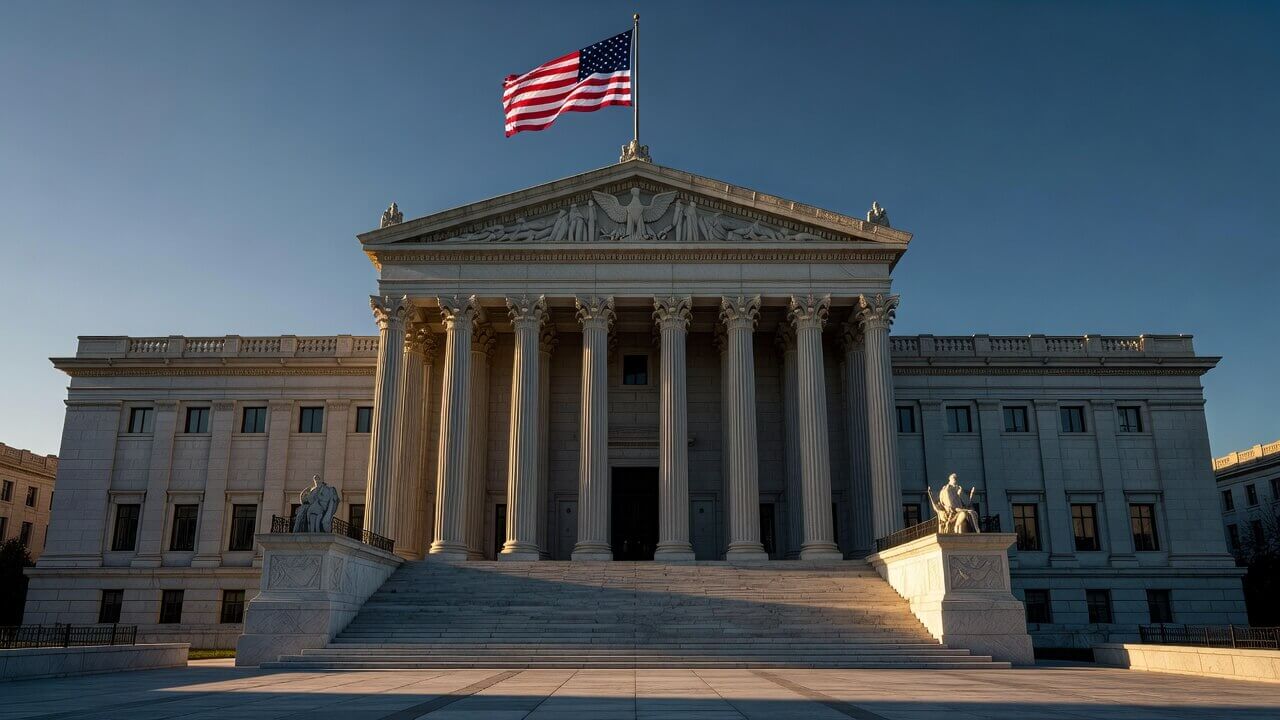
    Grand facade of a federal appellate courthouse with columns and American flag flying

    Why Parks Should Remain Open for Carry

    Parks are quintessential public forums where millions of Americans exercise, relax, and gather with family. Treating them as “sensitive places” exempt from constitutional protection ignores the reality that law-abiding gun owners pose no greater threat than anyone else. Historical evidence shows that restrictions on carrying in parks are largely modern inventions, not rooted in the founding era’s understanding of the right to keep and bear arms.

    This decision highlights the ongoing battle in the courts. While one flawed interpretation of history prevailed on parks, the rejection of the consent requirement proves that aggressive state overreach can still be pushed back. Gun owners across New York and beyond should stay engaged, support strong legal challenges, and continue advocating for the full scope of our Second Amendment rights in every public space.

    Join the Fight - Second Amendment Foundation

    References

  • Feds Bust International Gun Smuggling Ring Exploiting Akwesasne Mohawk Reservation Border

    Feds Bust International Gun Smuggling Ring Exploiting Akwesasne Mohawk Reservation Border

    The recent federal takedown of an international gun-smuggling operation running through the Akwesasne Mohawk Territory should serve as a stark reminder that determined criminals will always find ways around the law. For years, authorities say, this ring moved dozens of firearms from the United States into Canada by exploiting the unique border geography and tribal sovereignty rules along the St. Lawrence River. Thirteen people now face charges, several of them Akwesasne residents. Yet the real story here is not about American gun owners—it is about porous borders, special-status territories, and the futility of treating law-abiding citizens as the problem.

    Aerial view of the Akwesasne Mohawk Territory straddling the U.S.-Canada border with marked smuggling paths along the St. Lawrence River

    According to prosecutors in New Hampshire and New York, the scheme began in 2021 and relied on the fact that parts of the Akwesasne reservation sit on both sides of the international line. Smugglers allegedly purchased firearms legally in the U.S., then shuttled them across the reservation into Canada where gun ownership is far more restricted. The operation highlights a long-standing enforcement challenge: when geography and jurisdictional quirks create gray areas, criminals rush to fill them. This is not a failure of the Second Amendment; it is a failure of border security and coordinated law enforcement.

    Criminals Exploit Loopholes—Not Lawful Gun Owners

    Pro-Second Amendment advocates have long warned that additional restrictions on American citizens simply create new opportunities for black-market operators. The Akwesasne case proves the point. Every firearm traced in this investigation started its life as a legal purchase. The moment it crossed into criminal hands, existing laws against trafficking and straw purchases were already being broken. Adding more red tape for law-abiding buyers would not have stopped these smugglers; it would only have made the black-market premium higher and the profits sweeter for the next ring willing to take the risk.

    Canada’s strict gun-control regime is often held up as a model by American restrictionists. Yet the very existence of this pipeline demonstrates that even nations with some of the toughest firearms laws on the planet cannot keep illegal guns out when determined networks exploit every crack in the border. The solution lies in aggressive prosecution, better inter-agency cooperation, and physical security—not in disarming the American public.

    What the Data Actually Shows

    Federal tracing data consistently reveals that the overwhelming majority of firearms recovered in Canada were never intended for legal export. Instead, they are diverted through theft, straw purchases, or—exactly as seen here—organized smuggling across tribal lands and remote border crossings. The Akwesasne ring simply followed a well-worn path that has existed for decades with cigarettes, drugs, and now firearms. Blaming U.S. gun stores or the Second Amendment for this activity ignores the actual mechanics of the crime.

    Responsible gun owners and Second Amendment supporters should welcome swift federal action against these networks. Every successful prosecution removes another vector for illegal guns and protects the rights of lawful citizens who follow the rules. The focus must remain on the bad actors, not on punishing the 99 percent of Americans who exercise their constitutional rights without incident.

    Border security matters. Jurisdictional clarity on tribal lands matters. And recognizing that criminals do not obey gun-control edicts matters most of all. The Akwesasne bust is one more data point confirming what pro-2A Americans have said for years: secure the border, prosecute traffickers aggressively, and leave the rest of us alone.

    Join the Fight - Second Amendment Foundation

    References

  • Colorado Governor Signs Law Banning 3D-Printed Firearms and Components Effective July 2026

    Colorado Governor Signs Law Banning 3D-Printed Firearms and Components Effective July 2026

    In a move that has sent shockwaves through the firearms community, Colorado Governor Jared Polis has officially signed HB 1144 into law, effectively criminalizing the use of 3D printers and CNC machines to produce firearms, frames, receivers, and components. Set to take effect on July 1, 2026, this legislation represents yet another blatant attempt to chip away at the fundamental right of Americans to keep and bear arms—starting right in the workshop where many law-abiding citizens exercise their self-reliance.

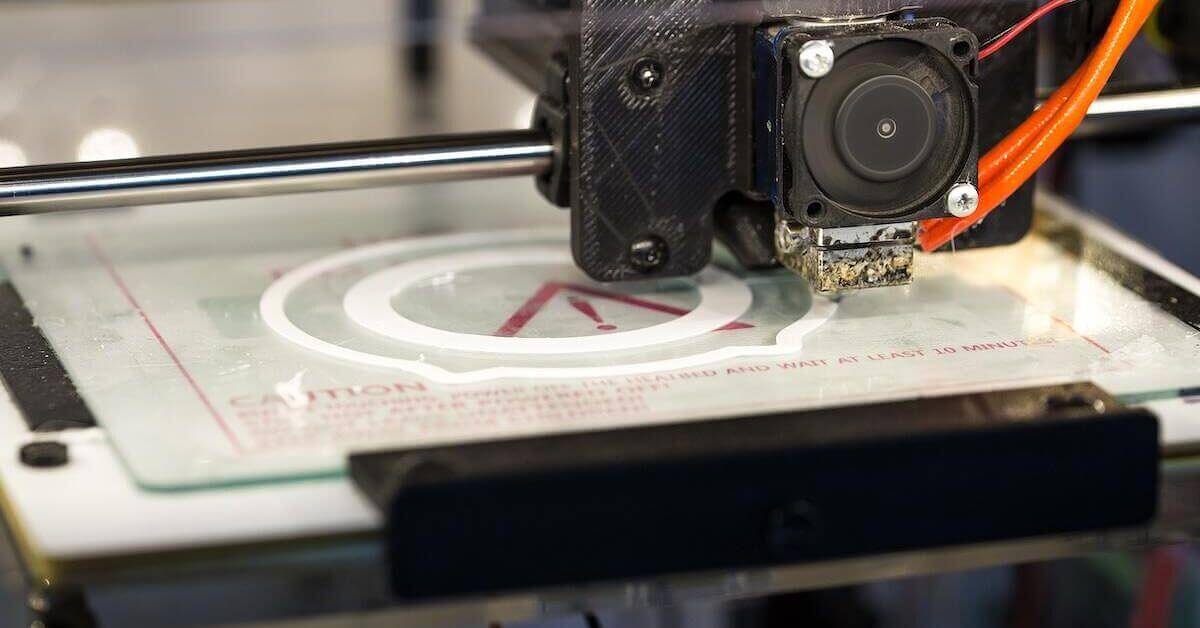
    Detailed image of a modern 3D printer producing a polymer firearm lower receiver on a workbench with tools and safety equipment in the background

    For generations, Americans have built their own firearms at home without government interference. From colonial blacksmiths forging muskets to today’s hobbyists refining precision parts on their kitchen tables, home manufacturing has always been a cornerstone of our independence. HB 1144 flips that tradition on its head by targeting emerging technologies like 3D printing, which democratizes access to firearms for responsible citizens who live far from big-box stores or need custom solutions for competition, hunting, or personal defense.

    Why This Ban Misses the Mark

    Proponents of the law claim it’s about public safety, but the reality is far more troubling. This measure doesn’t stop criminals—who already ignore existing laws—from acquiring guns through illegal channels. Instead, it punishes innovators, tinkerers, and everyday patriots who value the ability to create and maintain their own firearms. The NRA-ILA has rightly called out this overreach, highlighting how it infringes on Second Amendment protections and the long-standing tradition of home gunsmithing that predates modern manufacturing.

    Think about it: If the government can ban 3D-printed receivers today, what’s next? Restricting hand tools? Requiring licenses for milling machines? This isn’t progress—it’s a slow erosion of liberty that treats law-abiding gun owners like potential threats rather than the backbone of a free society.

    Standing Strong for Innovation and Rights

    3D printing and computer-controlled tools have opened incredible doors for the firearms world. They allow for rapid prototyping, lightweight designs, and personalized grips that improve accuracy and comfort for shooters of all abilities. Banning these advancements doesn’t make anyone safer; it simply hands more power to the state while stifling the very ingenuity that has kept American manufacturing ahead of the curve.

    As we head toward that July 2026 effective date, now is the time for Coloradans and Second Amendment supporters nationwide to push back. Reach out to your representatives, support legal challenges through groups like the NRA-ILA, and keep building, training, and advocating. Our rights don’t come from politicians—they’re endowed by our Creator and secured by an armed populace that refuses to be disarmed by bureaucracy.

    Stay vigilant, stay informed, and remember: the right to manufacture and possess arms is as American as the mountains of Colorado themselves.

    Join the Fight - Second Amendment Foundation

    References