Tag: Concealed Carry

  • Florida HOA Bans Firearms in Common Areas, Draws AG Warning and 2A Pushback

    Florida HOA Bans Firearms in Common Areas, Draws AG Warning and 2A Pushback

    In a move that has ignited fresh outrage among gun owners across the Sunshine State, the Tradition Community Association in Port St. Lucie has decided its residents no longer have the right to exercise their Second Amendment freedoms in the very spaces they pay to maintain. Parks, trails, town squares, and other common areas are now off-limits to firearms—even for those with valid concealed carry permits. The policy isn’t just tone-deaf; it directly clashes with Florida’s strong protections for lawful gun owners.

    Aerial view of a Florida community park and walking trail surrounded by residential homes under a clear blue sky

    Florida Attorney General James Uthmeier wasted no time issuing a formal warning that the resolution violates state preemption laws. Those statutes make it crystal clear: local governments, HOAs, and busybody boards cannot create their own gun-free zones that override the constitutional rights of permit holders. This isn’t some gray area—the law is designed to stop exactly this kind of overreach.

    HOA Overreach Meets Real Resistance

    Residents and Second Amendment advocates are pushing back hard. Many see this as yet another example of private associations attempting to play government, stripping law-abiding citizens of their ability to defend themselves while criminals continue to ignore signs and rules. The irony is hard to miss: people who live in these communities already surrender a degree of freedom through covenants and fees, yet some boards keep pushing the line further into personal liberty.

    State preemption exists for a reason. Florida lawmakers recognized long ago that patchwork local gun rules create confusion and erode rights. The AG’s letter reinforces that principle and serves as a reminder that no homeowners association gets to rewrite the Florida Constitution by majority vote of a boardroom.

    Why This Matters Beyond One Community

    Today it’s parks and trails in Port St. Lucie. Tomorrow it could be another neighborhood association in another county testing the same limits. Gun owners across Florida are watching closely because these cases set precedents. When an HOA tries to ban constitutionally protected carry in shared spaces, it signals a broader willingness to treat the Second Amendment as optional rather than fundamental.

    The pushback is already building. Expect letters, public records requests, and organized resident campaigns demanding the resolution be rescinded. Florida’s strong pro-2A culture doesn’t take kindly to being told where and when citizens may exercise their rights—especially on property they collectively own and fund.

    Law-abiding gun owners aren’t the problem here. Overreaching boards that forget their role are. The Attorney General’s warning is a welcome line in the sand, and Tradition residents would be wise to use every legal tool available to restore their full rights in the common areas they already pay for.

    Join the Fight - Second Amendment Foundation

    References

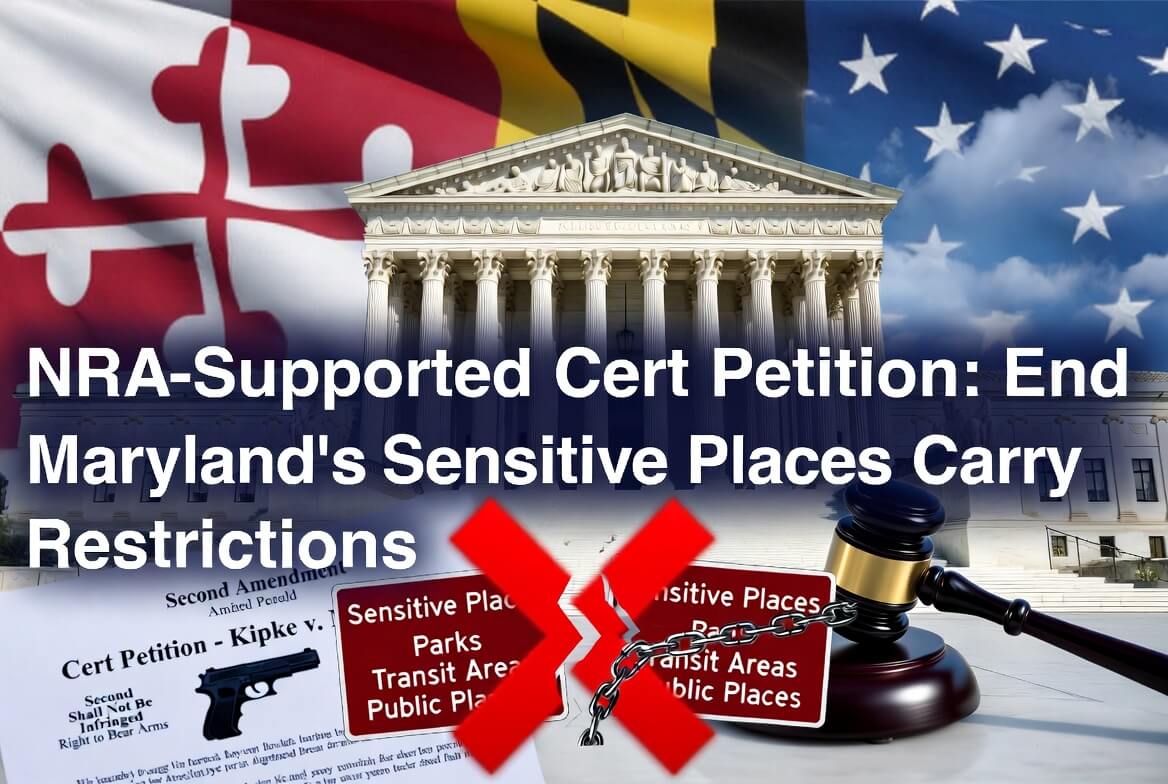
  • NRA-Supported Cert Petition Filed Challenging Maryland’s Sensitive Places Carry Restrictions

    NRA-Supported Cert Petition Filed Challenging Maryland’s Sensitive Places Carry Restrictions

    In a significant move that could reshape concealed carry laws across the nation, the National Rifle Association has joined forces with dedicated Second Amendment advocates to petition the U.S. Supreme Court. They’re asking the justices to review a troubling Fourth Circuit ruling that green-lights Maryland’s expansive “sensitive places” restrictions—rules that effectively turn everyday public spaces into no-go zones for law-abiding gun owners.

    Majestic view of the U.S. Supreme Court building under a clear blue sky, symbolizing the fight for constitutional rights

    This challenge strikes at the heart of the post-Bruen landscape. Maryland’s law slaps broad prohibitions on carrying in everything from parks and museums to government buildings and even private property without explicit permission. The state offers little in the way of historical evidence from the Founding era to justify these sweeping bans. Under the Supreme Court’s clear Bruen test, that absence should doom the restrictions—yet the Fourth Circuit upheld them anyway, leaving millions of Marylanders with diminished rights to self-defense outside the home.

    The petition highlights how these “sensitive places” designations aren’t rooted in tradition but in modern policy preferences. History shows that the right to bear arms extended to public spaces, with narrow exceptions only for truly sensitive locations like courthouses or polling places during specific eras. Maryland’s approach flips this on its head, treating virtually every public area as off-limits and forcing carriers to navigate a legal minefield just to exercise a fundamental liberty.

    Supporters of the petition argue this case represents a critical test for the Bruen framework. If the Supreme Court declines review or fails to correct the lower court’s misapplication, other states could follow suit with even more aggressive restrictions. Law-abiding citizens deserve consistent protection for their right to carry for self-defense, not patchwork rules that disarm them in the very places where threats can arise.

    Group of diverse Second Amendment supporters gathered at a peaceful rally holding signs advocating for constitutional carry rights

    As the high court weighs whether to grant certiorari, the stakes couldn’t be higher for gun owners nationwide. This filing underscores the ongoing battle to ensure that recent Supreme Court victories translate into real-world freedom, not endless litigation against overreaching state laws. The NRA and its allies are standing firm—now it’s time for the justices to reaffirm that the Second Amendment means what it says.

    Join the Fight - Second Amendment Foundation

    References

  • Eighth Circuit Upholds Minnesota Permit Reciprocity Law in McCoy v. Jacobson

    Eighth Circuit Upholds Minnesota Permit Reciprocity Law in McCoy v. Jacobson

    The recent decision from the Eighth Circuit in McCoy v. Jacobson has gun owners across the Midwest taking a hard look at what real reciprocity means for law-abiding citizens who want to exercise their Second Amendment rights on the road. While the court upheld Minnesota’s narrow approach to recognizing out-of-state permits, the ruling underscores a bigger problem: states continuing to erect barriers that treat responsible carriers like potential threats instead of fellow Americans protected by the Constitution.

    Eighth Circuit Rejects Gun-Rights Challenge to Minnesota Law
    Minnesota’s gun-permit reciprocity law is constitutional despite excluding certain states, the Eighth Circuit ruled.
    Photographer: Luke Sharrett/Bloomberg Law

    Minnesota’s law only honors permits from states with “comparable” requirements, effectively shutting out many shall-issue states that already meet basic standards. This creates a patchwork where a permit valid in Iowa or Wisconsin might suddenly become worthless just across the border. For travelers, hunters, and everyday carriers, that uncertainty turns routine trips into legal minefields.

    Bruen Set the Stage, But States Keep Testing Limits

    The Bruen decision was supposed to shift the conversation toward history and tradition, rejecting subjective “may-issue” gatekeeping. Yet Minnesota’s restrictions survived scrutiny by claiming their reciprocity rules fit within that framework. Pro-2A advocates see this as another example of courts allowing states to nibble around the edges of constitutional carry rights rather than embracing the full protection the Supreme Court outlined.
    Law-abiding gun owners aren’t asking for special treatment. They’re asking for the same respect given to driver’s licenses, which states honor nationwide without demanding identical testing procedures. Concealed carry permits deserve similar treatment because the right to bear arms doesn’t stop at state lines.

    What This Means for Interstate Travel

    Imagine planning a family road trip through the upper Midwest only to discover your home-state permit offers zero protection in Minnesota. That friction discourages lawful carry and hands an advantage to criminals who ignore permitting laws anyway. The decision highlights why national reciprocity legislation remains essential—so citizens don’t have to study 50 different rulebooks before crossing borders.
    Gun owners have every reason to stay engaged. Contact your representatives, support organizations pushing for true reciprocity, and keep pressing the point that the Second Amendment isn’t a state-by-state privilege. The fight for consistent recognition of carry rights continues, and rulings like this only sharpen the resolve.

    Join the Fight - Second Amendment Foundation

    References

  • Colorado Enacts Strict Vehicle Firearm Storage Requirements Effective 2025

    Colorado Enacts Strict Vehicle Firearm Storage Requirements Effective 2025

    As 2025 approaches, Colorado gun owners are facing yet another layer of restrictions that directly target how responsible citizens secure their firearms in everyday situations. The new rules demand that any firearm left in an unoccupied vehicle must be locked inside a hard-sided container that’s completely out of sight. This isn’t about common-sense safety—it’s about adding friction to the exercise of our Second Amendment rights.

    Illustration of a locked hard-sided firearm case placed out of view inside a vehicle trunk

    Think about the practical reality for millions of Coloradans who carry daily for self-defense. Whether you’re heading into a restricted area, stopping for groceries, or traveling through the state, this law forces extra steps that could cost precious seconds in an emergency. Law-abiding citizens already go to great lengths to secure their firearms; these mandates treat them like the problem rather than the criminals who ignore every law on the books.

    Training Mandates Compound the Burden

    Alongside the storage rules, Colorado has layered on expanded concealed carry training requirements. What used to be straightforward instruction now demands additional hours and costs, creating barriers for new carriers and busy professionals alike. Pro-2A advocates see this for what it is: a slow squeeze designed to discourage lawful carry without ever addressing the root causes of violent crime.

    These measures arrive as part of a broader package of 2025 gun control efforts that ignore data showing shall-issue permitting and vehicle carry have not led to spikes in misuse. Instead, they punish the very people who follow every rule—hunters, competitive shooters, and everyday defenders who rely on quick access when seconds count.

    Why This Matters for Gun Owners

    Vehicle storage is a lifeline for many who transport firearms between home, range, and work. Hard-sided locked containers hidden from view sound simple until you’re dealing with daily life in a state with vast rural areas and unpredictable weather. The law effectively turns routine travel into a compliance exercise that risks accidental violations for those who forget even one detail.

    Colorado’s approach stands in stark contrast to states that respect constitutional carry and practical self-defense needs. Gun owners here are being asked to accept reduced readiness in the name of policies that won’t stop determined criminals. The message from the legislature is clear: your rights come with new strings attached every legislative session.

    Staying informed and organized is now more important than ever. Keep detailed records of your storage methods, review your carry habits, and connect with local 2A groups pushing back against these restrictions. The right to keep and bear arms doesn’t end at the vehicle door—it just got more complicated in Colorado.

    Join the Fight - Second Amendment Foundation

    References

  • North Carolina Private School Security Act Becomes Law, Allowing Concealed Carry by Authorized Personnel on Private School Campuses

    North Carolina Private School Security Act Becomes Law, Allowing Concealed Carry by Authorized Personnel on Private School Campuses

    In a massive win for Second Amendment rights and school safety, North Carolina’s Private School Security Act (S280) has officially become law after lawmakers heroically overrode Governor Josh Stein’s veto. Effective December 1, 2025, this groundbreaking legislation empowers private schools to authorize qualified personnel to carry concealed handguns and stun guns on campus. Finally, private educational institutions can take real control of their security without relying on outdated “gun-free zone” fantasies that leave kids vulnerable.

    North Carolina State Capitol with overlay text announcing Private School Security Act becoming law after veto override

    The Details: Who, What, and How

    Here’s the meat of S280: Private schools can now opt-in to allow staffers with valid concealed handgun permits (CHP) to carry on campus. But it’s not a free-for-all—lawmakers built in smart safeguards:

    • Authorization Required: School boards or governing bodies must explicitly approve the program.
    • Training Mandates: Authorized personnel need 16 hours of school-specific training, covering active shooter response, de-escalation, and more. They also undergo annual requalification.
    • Background Checks: Only those with clean records and active CHPs qualify—no exceptions.
    • Stun Guns Too: Less-lethal options are included for added flexibility.

    This isn’t about turning schools into fortresses; it’s about layering in professional, responsible armed defenders who can stop threats in their tracks. Think of it as the school equivalent of a concealed carrier at the mall—discreet, trained, and ready.

    The Veto Override: A Triumph Over Anti-Gun Resistance

    Governor Stein tried to play the fear card, vetoing the bill with the usual “guns in schools are dangerous” rhetoric. But pro-2A legislators weren’t having it. The House voted 72-44 to override, followed by a decisive Senate tally. This override isn’t just a policy win—it’s a clear message to gun-grabbers: North Carolinians value self-defense over virtue-signaling.

    Private schools, as private property, have always had the right to set their own rules. S280 simply removes government-imposed barriers, letting parents, administrators, and communities decide what’s best for their kids.

    Why This Matters for School Safety and 2A Rights

    We’ve seen the stats: Armed responders stop active shooters 94% of the time when they engage quickly (FBI data). “Gun-free zones” are magnets for monsters—over 98% of mass public shootings since 1950 occurred in such areas. Private schools in NC now have the tools to harden their defenses without waiting for underfunded, overstretched police.

    This law expands on existing public school provisions, bringing parity to private institutions where faith-based and independent schools serve hundreds of thousands of students. It’s a step toward nationwide sanity, proving that common-sense self-defense works.

    What’s Next? Eyes on Implementation and Beyond

    Starting December 1, 2025, expect private schools across the Tar Heel State to roll out these programs. Forward-thinking administrators will prioritize vetting top-tier candidates—veterans, retired LEOs, or everyday heroes with CHPs.

    If you’re a NC private school leader, parent, or 2A supporter, celebrate this victory and stay vigilant. Contact your reps to push for similar expansions to public charters and homeschool co-ops. The momentum is building—gun rights are winning where it counts: protecting our kids.

    Stay strapped, stay safe, and keep fighting for the Second Amendment.


    Join the Fight - Second Amendment Foundation

    References

  • New Hampshire Senate Advances Campus Carry Bill Allowing Faculty Firearms on College Campuses, Sparking House-Senate Clash

    New Hampshire Senate Advances Campus Carry Bill Allowing Faculty Firearms on College Campuses, Sparking House-Senate Clash

    In the Granite State, where “Live Free or Die” isn’t just a motto but a way of life, a major victory for Second Amendment rights is unfolding on college campuses. The New Hampshire Senate just passed an amended version of HB 1793 on May 14, 2026, greenlighting concealed carry for faculty and staff at public universities. That’s right—professors and administrators could soon pack heat to protect themselves and their students, a huge step toward real campus security.

    New Hampshire Senate chamber during the HB 1793 vote, with senators debating campus carry legislation
    New Hampshire Senate chamber during the HB 1793 vote, with senators debating campus carry legislation (via newhampshirebulletin.com)

    A Bold Move for Safety in the Face of Campus Threats

    This isn’t some pie-in-the-sky idea; it’s a direct response to the harsh reality that gun-free zones are nothing more than inviting targets for psychopaths. We’ve seen it time and again—shooters target places where good guys are disarmed. By empowering faculty and staff with concealed carry permits, the Senate is saying enough is enough. These are trained, vetted adults who know their campuses inside and out. They’re the first line of defense when seconds count.

    The bill’s amendment smartly excludes students for now, focusing on those with more life experience and responsibility. But make no mistake: this is progress. Pro-2A warriors in the Senate stripped away overreaching restrictions, ensuring that due process protections remain intact while prioritizing safety. Amid rising concerns over active shooters and mental health crises, this measure arms the willing to neutralize threats before they escalate.

    House Pushback: The Same Old Anti-Gun Drama

    Of course, the freedom-hating crowd in the House isn’t thrilled. They’re dragging their feet, nitpicking over “firearm policies” and due process—code for more bureaucratic red tape to kill the bill. Expect a clash that could land this in a conference committee, where cooler heads (we hope) will prevail. This is classic divide-and-conquer politics from gun control zealots who think disarmed sheep are safer than armed sheepdogs.

    Let’s be clear: data backs campus carry. The Crime Prevention Research Center’s reports show concealed carriers are overwhelmingly law-abiding—far safer than your average Joe. In states like Texas and Colorado, faculty carry programs have operated without incident, proving armed educators enhance safety, not endanger it.

    A responsible faculty member with concealed handgun permit walking on a college campus, symbolizing empowered protection

    Why This Matters for All Gun Owners

    New Hampshire’s Live Free spirit is leading the charge, but this fight echoes nationwide. Gun-free campuses are a relic of failed policy, breeding grounds for tragedy. HB 1793’s advancement reminds us that 2A rights extend beyond ranges and homes—they’re for everyday protection, including lecture halls and libraries.

    Push for more: advocate for student inclusion with proper training requirements. Contact your reps, rally at the State House, and show the House that Granite Staters won’t tolerate nanny-state nonsense. The Senate’s shown the way—now it’s time for the full Legislature to follow.

    Stay armed, stay informed, and keep fighting. Liberty demands it.

    Join the Fight - Second Amendment Foundation

    References

  • Utah Bill Would Allow Concealed Carry Permit Holders to Bring Firearms to Jazz and Mammoth Games

    Utah Bill Would Allow Concealed Carry Permit Holders to Bring Firearms to Jazz and Mammoth Games

    Utah lawmakers are stepping up with a bold proposal that could finally give responsible gun owners the chance to exercise their rights at Delta Center events. The bill would let concealed carry permit holders bring their firearms into venues hosting Utah Jazz NBA games and Mammoth NHL matchups, directly pushing back against league-wide bans that treat every attendee like a potential threat.
    This isn’t about turning arenas into the Wild West. It’s about recognizing that Utah’s permitting process already vets individuals thoroughly through background checks, training requirements, and ongoing compliance. Law-abiding permit holders have proven time and again they are among the safest demographic when it comes to firearm handling. Forcing them to disarm at publicly funded facilities undermines the very purpose of shall-issue permitting.

    Exterior view of the Delta Center in Salt Lake City with subtle Second Amendment signage elements

    League policies from the NBA and NHL have long dictated no-firearm rules inside venues, even in states with strong constitutional carry traditions. These mandates ignore local laws and the reality that criminals don’t follow venue signs. The Utah proposal flips the script by prioritizing state sovereignty and individual rights over corporate preferences. Since the Delta Center receives public funding, taxpayers deserve equal access to their Second Amendment protections rather than selective disarmament.
    Supporters point to data from other states where expanded carry rights at events have not led to spikes in violence. Instead, they deter potential threats because would-be attackers can’t assume everyone is defenseless. Permit holders undergo rigorous screening that far exceeds basic ID checks at arena entrances, making them a net positive for overall security.
    Critics will claim this endangers fans, but that argument falls flat when you consider that most mass incidents occur in gun-free zones. Responsible carriers add layers of protection without needing permission from league offices in New York or Toronto. The 2026 legislative session offers a timely opportunity to affirm that constitutional rights don’t vanish at the turnstile.
    Key provisions in the bill include:
    – Strict adherence to existing Utah concealed carry standards
    – Clear signage requirements for venues
    – Exemptions only for prohibited persons under federal law
    – No changes to open carry restrictions
    This measured approach respects both public safety and liberty. It challenges the narrative that more guns automatically equal more danger when the individuals involved have earned their permits through proven responsibility.

    Fans attending Jazz or Mammoth games should have the same self-defense options as they do at home or work. The bill sends a clear message that Utah values its gun culture and won’t bow to out-of-state pressure. If passed, it could set a precedent for other states facing similar league overreach.
    Gun owners across the state are encouraged to contact their representatives and voice support. This legislation reinforces that the Second Amendment isn’t a suggestion—it’s a fundamental right that applies everywhere, including the seats at your favorite team’s home games. Stay informed and keep pushing for policies that trust responsible citizens.

    Join the Fight - Second Amendment Foundation

    References

  • Taurus USA Debuts 2026 G3C Optics-Ready 9mm Pistol with Enhanced Optics Cut and Grip Options

    Taurus USA Debuts 2026 G3C Optics-Ready 9mm Pistol with Enhanced Optics Cut and Grip Options

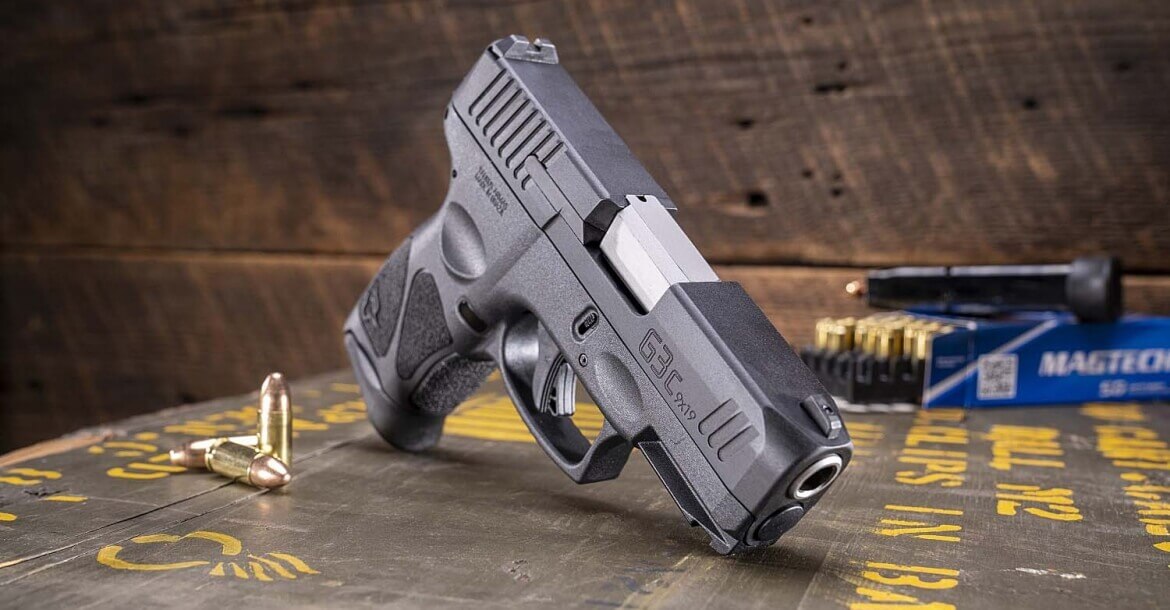
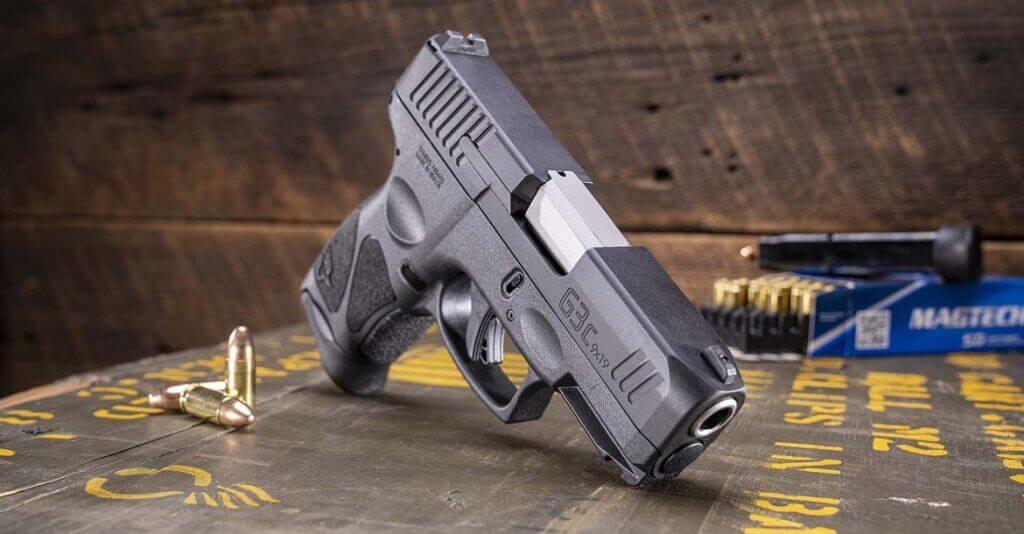
    Taurus continues to prove why it’s a favorite among American gun owners who value reliability, affordability, and real-world performance. The new 2026 G3C Optics-Ready model takes the proven compact platform and refines it for today’s defensive and range needs without complicating what already works.

    The standout upgrade is the enhanced optics cut on the slide. Designed to accept popular red dot footprints right out of the box, it lets shooters mount their favorite sights quickly and securely. No more custom milling or adapters that add cost and potential failure points. For concealed carriers who want faster target acquisition in low light or under stress, this feature delivers a meaningful edge while keeping the pistol’s slim profile intact.

    Improved slide serrations add to the package with deeper, more aggressive cuts that provide positive purchase even with gloved hands or sweaty palms. Combined with the modular grip panels, the G3C now offers true customization. Swap between different texture and size options to dial in the perfect fit for your hand, whether you’re running drills at the range or carrying daily. This level of adjustability helps law-abiding citizens build a pistol that feels like an extension of themselves rather than a compromise.

    At its core, the G3C remains a no-nonsense 9mm compact that balances capacity, concealability, and shootability. The updated model reinforces Taurus’s commitment to giving everyday Americans practical tools for self-defense. In a world where personal responsibility and preparedness matter more than ever, options like these empower responsible owners to train harder and carry with greater confidence.

    Whether you’re a new shooter building your first defensive setup or a seasoned carrier looking to refresh your EDC, the 2026 G3C Optics-Ready deserves a close look. Its blend of modern features on a trusted platform keeps the focus where it belongs: on the right to keep and bear arms effectively. Head to your local dealer or check TaurusUSA.com to see how this refreshed compact can fit your needs.

    Join the Fight - Second Amendment Foundation

    References

  • Sandwich, MA Voters Indefinitely Postpone Proposal to Allow Concealed Firearms in Municipal Buildings

    Sandwich, MA Voters Indefinitely Postpone Proposal to Allow Concealed Firearms in Municipal Buildings

    In a disheartening blow to Second Amendment rights, voters in Sandwich, Massachusetts, gathered at their May 2026 town meeting and chose to indefinitely table Article 19. This article would have repealed outdated local restrictions, allowing licensed gun owners to exercise their concealed carry rights in municipal buildings like libraries, town offices, and recreation centers. Instead of embracing common-sense self-defense, the crowd opted for fear-driven inaction, perpetuating a nanny-state mindset that leaves law-abiding citizens defenseless in places they pay taxes to use.

    Crowd at Sandwich Massachusetts town hall meeting debating concealed carry in public buildings
    Crowd at Sandwich Massachusetts town hall meeting debating concealed carry in public buildings (via capenews.net)

    The Backstory: State Reforms Ignored at the Local Level

    Massachusetts has long been a battleground for gun rights advocates, with its Byzantine web of restrictions earning it a well-deserved reputation as one of the least free states for self-defense. But even in the Bay State, progress has crept in. Following 2024 state reforms—sparked by landmark Supreme Court decisions like New York State Rifle & Pistol Association v. Bruen—lawmakers were forced to loosen some grips on concealed carry licensing. These changes affirmed that qualified adults have a fundamental right to carry handguns for self-protection, both on the streets and, by extension, in more public spaces.

    Article 19 was Sandwich’s chance to catch up. Local bylaws had imposed blanket bans on concealed firearms in town-owned properties, going beyond even Massachusetts’ stringent state laws. Proponents argued this was unconstitutional overreach, especially post-Bruen, where the Court struck down “may-issue” schemes and demanded objective criteria for restrictions. Licensed carriers—vetted through fingerprints, background checks, and live-fire training—posed no greater risk than anywhere else. Yet, the vote to table it indefinitely means the status quo drags on, treating responsible gun owners like potential threats while criminals roam unchecked.

    Fear Over Facts: The Anti-Gun Hysteria That Won the Day

    It’s no secret what fueled this decision: emotional appeals to “think of the children” and baseless fears of “guns in the library.” Opponents likely trotted out the usual suspects—horror stories from mass shootings (rare events statistically) and cherry-picked anecdotes ignoring the millions of defensive gun uses annually. But let’s cut through the noise with hard data.

    • Permissive carry works: States like Vermont and New Hampshire, with constitutional carry, have some of the lowest violent crime rates in the nation. No epidemic of library shootouts or town hall bloodbaths.
    • Law-abiding by definition: Massachusetts License to Carry (LTC) holders undergo rigorous scrutiny. Revocation rates for misconduct are minuscule—far lower than for driving privileges.
    • Deterrence in action: Armed citizens stop crimes daily. In 2023 alone, the Crime Prevention Research Center documented over 100 defensive gun uses in public spaces, many in “gun-free” zones that weren’t so free for the bad guys.

    Sandwich voters ignored this reality, voting to disarm the good guys while emboldening predators. Imagine a single mom picking up her kid from the rec center, facing a deranged attacker—now she’s a sitting duck because of local hysteria. That’s not safety; that’s suicidal policy.

    Why Municipal Carry Matters for Every Patriot

    Public buildings aren’t ivory towers exempt from the Second Amendment. They’re taxpayer-funded spaces where families vote, kids learn, and communities gather. Excluding defensive firearms there creates vulnerability hotspots—soft targets for the very violence gun-control advocates claim to prevent. History proves it: Pearl Harbor’s “gun-free” airfields, schools turned into killing fields by zero-tolerance madness.

    In contrast, places allowing armed citizens thrive. Look at Texas post-2021 permitless carry: crime didn’t skyrocket; it stabilized or dropped in key metrics. Or Florida’s robust shall-issue system, where concealed carriers save lives without incident. Sandwich could have joined this winning team, aligning local policy with state law and the Constitution. Instead, they punted, leaving residents to fend for themselves outside the town lines—like exiles in their own backyard.

    The Fight Isn’t Over: What You Can Do

    This postponement isn’t defeat; it’s a delay. Indefinite tabling means Article 19 can resurface at future meetings, stronger with more voices. Gun owners in Sandwich and beyond must mobilize:

    1. Show up: Attend the next town meeting. Bring data, not drama—Crime Prevention Research Center reports, FBI stats, local testimonials.
    2. Engage selectmen: Pressure the board to revisit this. Email templates from GOAL (Gun Owners’ Action League) make it easy.
    3. Lobby statewide: Push for preemption laws banning local bans. Massachusetts needs uniformity—no more patchwork tyranny.
    4. Vote with your feet (and wallet): Support pro-2A businesses and consider relocating to freer towns. Freedom isn’t free, but it’s worth fighting for.

    Sandwich’s decision is a stark reminder: the Second Amendment isn’t self-enforcing. It demands vigilance against incremental erosion. While anti-gunners celebrate this “win,” we know the truth—disarmed societies breed danger. Stay strapped (where legal), stay informed, and keep pushing back. The right to self-defense doesn’t stop at the town hall door.

    Stay vigilant, stay armed, stay free.

    Join the Fight - Second Amendment Foundation

    References

  • Supreme Court Grants Review in Wolford v. Lopez: Hawaii’s Ban on Concealed Carry in Private Businesses Faces Second Amendment Scrutiny

    Supreme Court Grants Review in Wolford v. Lopez: Hawaii’s Ban on Concealed Carry in Private Businesses Faces Second Amendment Scrutiny

    Big news for Second Amendment defenders: the U.S. Supreme Court just granted certiorari in Wolford v. Lopez (No. 24-1046), putting Hawaii’s draconian ban on concealed carry in private businesses squarely in the crosshairs. This is the next frontier in our post-Bruen fight for carry rights, and it’s a direct shot at nanny-state restrictions that treat law-abiding gun owners like criminals.

    The Supreme Court building with American flags waving, symbolizing justice for Second Amendment rights.

    What Happened in Hawaii?

    Hawaii’s law presumptively bans licensed concealed handgun carriers from carrying on private property open to the public—like stores, restaurants, and gas stations—unless they get the owner’s express permission first. No signage required, no posted “no guns” sign; you just need affirmative okay from the property owner every time. Fail to get it? You’re breaking the law.

    James Wolford and Aaron Wolford, both licensed concealed carriers, were arrested for carrying in such places without that permission. They sued, arguing this violates the Second Amendment under New York State Rifle & Pistol Association v. Bruen (2022), which demands gun laws be rooted in historical tradition, not modern “sensitive places” whims.

    The Ninth Circuit’s Blunder

    The Ninth Circuit upheld Hawaii’s ban, claiming it’s consistent with “historical regulations prohibiting carrying in places where the people gathered in large numbers.” But here’s the kicker: this clashes with rulings from the Third, Fifth, and Seventh Circuits, which struck down similar “private property” bans post-Bruen. The split creates perfect grounds for SCOTUS intervention, and they’ve taken it up.

    Critics of Hawaii’s rule point out there’s zero historical analogue for forcing armed citizens to beg permission before entering a public-facing business. Our Founding Fathers carried freely into taverns, shops, and inns without doormen checking for flintlock approvals. Hawaii’s approach flips property rights on its head—punishing carriers instead of letting owners decide via signs.

    Why This Matters for Your Rights

    If SCOTUS rules for the Wolfords, it could dismantle presumptive bans nationwide. Imagine shopping at Walmart, grabbing coffee at Starbucks, or filling up at the pump without second-guessing your God-given right to self-defense. No more “permission slips” for peaceable armed citizens.

    • Post-Bruen Clarity: Reinforces that “sensitive places” must be historically precise—not vague “private property” catch-alls.
    • Circuit Split Resolved: Ninth Circuit’s outlier status exposed and corrected.
    • Expansion of Carry Rights: Private businesses open to the public become fair game, aligning with public carry freedoms.

    Hawaii’s paradise-for-criminals vibe—highest concealed carry permit denial rate in the nation—won’t survive Bruen‘s glare. This case screams for reversal.

    Stay Locked and Loaded

    Keep your eyes on this one, patriots. SCOTUS could hear arguments next term, delivering another win for the right to keep and bear arms. In the meantime, support groups like the Firearms Policy Coalition and Second Amendment Foundation fighting these battles. Train hard, carry smart, and defend the Constitution—because freedom doesn’t defend itself.

    What do you think—will SCOTUS expand carry rights into private spaces? Drop your take in the comments below!

    Join the Fight - Second Amendment Foundation

    References

  • Kentucky Legislature Overrides Governor Beshear’s Veto on HB 312: Provisional Concealed Carry Now Allowed for 18-20 Year Olds

    Kentucky Legislature Overrides Governor Beshear’s Veto on HB 312: Provisional Concealed Carry Now Allowed for 18-20 Year Olds

    In a resounding victory for Second Amendment rights, the Kentucky Legislature has overridden Governor Andy Beshear’s veto of House Bill 312, paving the way for provisional concealed carry permits for law-abiding 18- to 20-year-olds. This is the kind of bold, pro-freedom move that reminds us why we fight for our constitutional rights every single day.

    Kentucky lawmakers celebrating the override of Governor Beshear's veto on HB 312, with the state capitol in the background and American flags waving.
    Kentucky lawmakers celebrating the override of Governor Beshear’s veto on HB 312, with the state capitol in the background and American flags waving. (via wdrb.com)

    The Backstory: Beshear’s Veto and the People’s Response

    Governor Beshear, in a move that shocked no one familiar with his track record, vetoed HB 312 back in March. His reasoning? The usual anti-gun rhetoric about “protecting public safety” by denying young adults—many of whom are old enough to vote, serve in the military, and defend our nation—the right to defend themselves. But Kentucky’s legislators weren’t having it.

    With a Republican supermajority in both chambers, the House and Senate wasted no time. On April 12, the House voted 77-20 to override, followed swiftly by the Senate’s 31-6 tally. That’s democracy in action, folks—when the people elect representatives who actually respect the Constitution, vetoes get smacked down like a bad poker hand.

    What HB 312 Delivers: Responsible Rights Expansion

    HB 312 doesn’t hand out permits like candy. Young Kentuckians aged 18-20 must:

    • Complete an approved firearms training course.
    • Pass a thorough background check.
    • Meet all other standard concealed carry requirements.

    These “provisional” permits recognize that 18-20 year olds aren’t reckless kids—they’re adults trusted with rifles in uniform, driving trucks, and making life-altering decisions. Why deny them the most fundamental right: self-defense?

    A responsible 19-year-old Kentuckian completing firearms training, holding a concealed carry permit with a handgun holstered safely on their hip.
    A responsible 19-year-old Kentuckian completing firearms training, holding a concealed carry permit with a handgun holstered safely on their hip. (via nraila.org)

    Voices from the Front Lines

    Rep. Josh Bray, the bill’s sponsor, nailed it: “This bill ensures that young adults who have demonstrated responsibility through training can exercise their Second Amendment rights, just like their peers across the country.” Senate President Robert Stivers echoed the sentiment, emphasizing Kentucky’s commitment to constitutional carry expansions.

    And let’s not forget the grassroots heroes—the Kentucky gun owners, veterans’ groups, and Second Amendment advocates who flooded the capitol with calls and testimonies. Your voices made this happen.

    Why This Matters: A Ripple Effect for 2A Nationwide

    Kentucky joins a growing list of states affirming that 18-20 year olds deserve equal protection under the Second Amendment. This override isn’t just local—it’s a blueprint for red states everywhere pushing back against gun-grabber governors. As SCOTUS cases like Bruen continue to dismantle unconstitutional restrictions, victories like this build momentum.

    Critics will whine about “gun violence,” but stats show permit holders are among the most law-abiding citizens. Empowering the responsible with tools for self-defense saves lives—full stop.

    Map of Kentucky highlighted in red with Second Amendment icons, showing expanding constitutional carry rights and the HB 312 milestone.
    Map of Kentucky highlighted in red with Second Amendment icons, showing expanding constitutional carry rights and the HB 312 milestone. (via lpm.org)

    Celebrate and Stay Vigilant

    Congratulations, Kentucky! Grab your training cert, hit the range, and carry with confidence. But don’t get complacent—Beshear and his allies won’t stop. Support your local 2A orgs, vote in every election, and keep the pressure on.

    At GunStuff.tv, we’re all in on these wins. What’s next on your state’s legislative radar? Drop a comment below and let’s keep the conversation going.

    Stay armed, stay free.

    Join the Fight - Second Amendment Foundation

    References

  • Mat-Su School Board Resumes Discussion on Allowing Qualified Faculty to Carry Concealed Handguns on School Property

    Mat-Su School Board Resumes Discussion on Allowing Qualified Faculty to Carry Concealed Handguns on School Property

    In the rugged heart of Alaska, where self-reliance is as much a way of life as breathing the crisp mountain air, the Matanuska-Susitna Borough School District is stepping up to the plate on school safety. The school board is resuming its debate on a policy that could allow qualified, trained faculty and volunteers to carry concealed handguns on school property. This isn’t some wild-west fantasy—it’s a commonsense, Second Amendment-rooted approach to protecting our kids from the real-world horrors of active shooters.

    Let’s break it down: The proposal targets select staff who’ve undergone rigorous training, background checks, and psychological evaluations. We’re talking voluntary participants only—no mandates here. These aren’t mall ninjas; they’d be everyday heroes like teachers, coaches, or custodians who’ve proven their responsibility with firearms. In a state like Alaska, where concealed carry is as common as flannel shirts, this aligns perfectly with the local culture of preparedness.

    Group of teachers in tactical training drill, practicing concealed draw and engagement at a school shooting simulation

    Why Armed Staff Works: The Data Doesn’t Lie

    Gun-free zones? They’ve been a failed experiment. Since 1998, 98% of mass public shootings have occurred in places where good guys with guns were banned. Schools are prime targets because predators know they’re soft. But flip the script with armed educators, and the game changes.

    Look at real-world successes. In states like Texas, Florida, and Ohio, armed teacher programs have deterred or stopped threats without a single accidental discharge by trained personnel. Take the 2018 story from Pine Bluff, Arkansas: A school resource officer and armed staff training neutralized a potential shooter before he could act. Or closer to home, Israel’s schools—where over 20% of teachers carry—are some of the safest in the world, with rapid response times under two minutes.

    In Mat-Su, response times from law enforcement can stretch due to the borough’s vast 25,000 square miles. An armed staffer on site? That’s a response in seconds. Studies from the Crime Prevention Research Center show concealed carriers stop attacks 94% of the time, often without firing a shot. The risk of accident? Near zero with proper vetting—far lower than the everyday risks we accept from driving to school.

    • Training Standards: 40+ hours of instruction, live-fire quals, annual recerts.
    • Voluntary Only: No one forced; opt-in for those comfortable and capable.
    • Concealed Carry: Discreet, low-profile—bad guys won’t know who’s packing.

    Addressing the Naysayers: Fear vs. Facts

    Opponents cry “guns in schools are dangerous!” But let’s get real. Schools already have guns—illegally brought by criminals. The only difference? Law-abiding staff would tip the scales. Accidental shootings by kids with parents’ guns? That’s a home issue, not solved by disarming protectors.

    Concerns about “escalation”? Active shooters don’t negotiate; they murder. A trained defender de-escalates by stopping the threat. And insurance? Programs in other districts report no premium hikes—in fact, safer schools mean lower risks overall.

    Alaska’s own stats back this: Low crime rates in armed rural areas. Mat-Su parents know the score—polls show strong support for armed staff among those actually living the Alaskan dream, not coastal elites dictating from afar.

    A Pro-2A Win for Alaska’s Future

    This policy isn’t about turning schools into fortresses; it’s about empowering the good guys already there. The Second Amendment isn’t just for hunting moose—it’s for defending life when seconds count. Mat-Su School Board has a chance to lead, showing the nation that armed educators save lives.

    The next meeting is coming soon—mark your calendars. Contact your board members, show up, and speak out. Resources at Mat-Su Borough Schools and gun rights groups like the Alaska Outdoor Council. Together, we protect our kids, our rights, and our way of life.

    Stay vigilant, stay armed, stay free. What’s your take—time for Alaska to set the standard?

    —GunStuff.tv, champions of the 2A lifestyle

    Join the Fight - Second Amendment Foundation

    References