Tag: FFL

  • ATF Announces Landmark Regulatory Reform Package to Reduce Burdens on Gun Owners and Businesses

    ATF Announces Landmark Regulatory Reform Package to Reduce Burdens on Gun Owners and Businesses

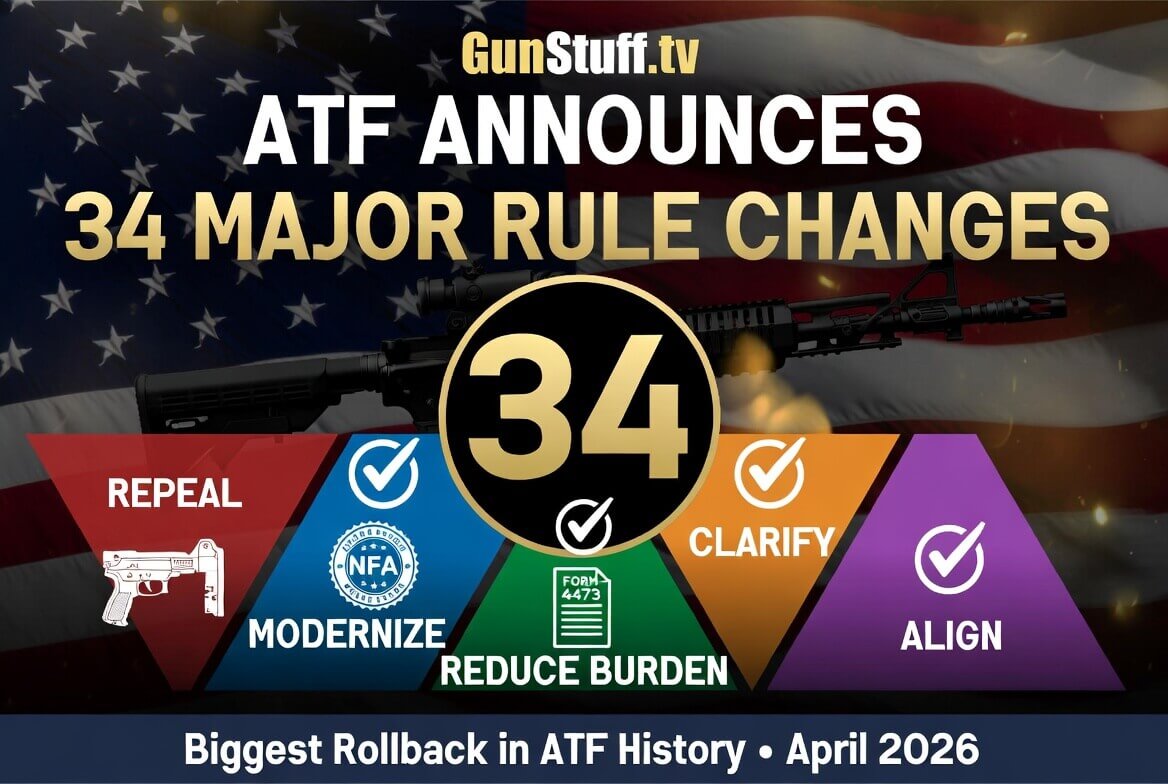
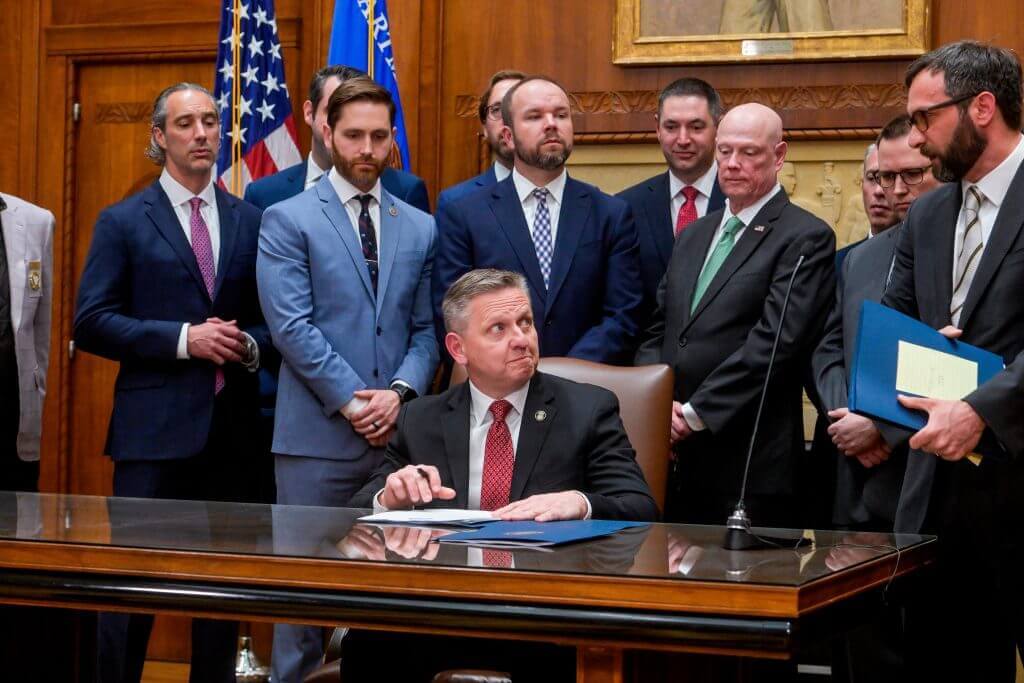
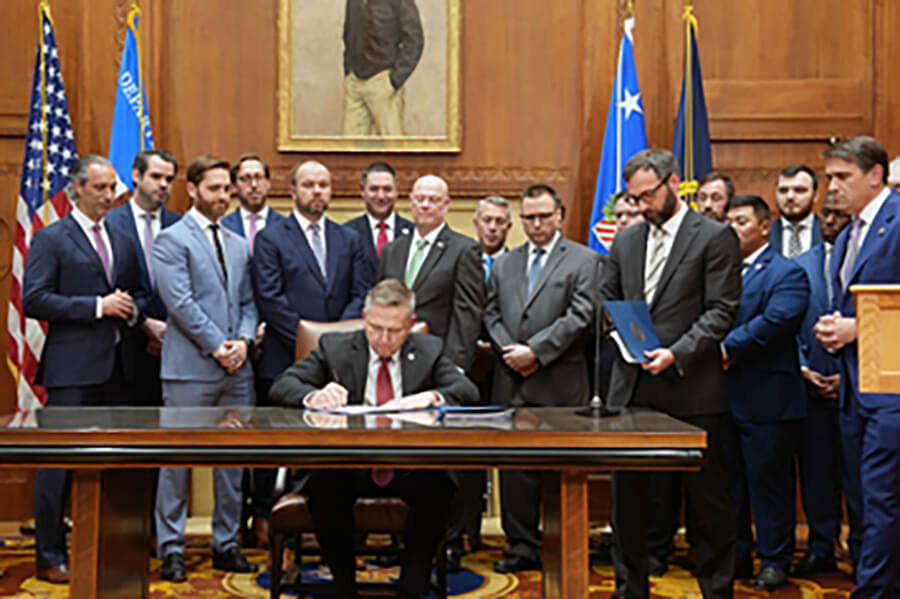
    In a move that has sent ripples of excitement through the firearms community, the Bureau of Alcohol, Tobacco, Firearms and Explosives (ATF) and the Department of Justice have unveiled an ambitious set of regulatory changes aimed squarely at easing the load on law-abiding gun owners and Federal Firearms Licensees alike. This coordinated release of 34 proposed and final rules under the banner of a “New Era of Reform” represents a significant shift toward modernizing decades-old regulations that have long frustrated the Second Amendment community.
    https://www.atf.gov/news/press-releases/doj-and-atf-announce-regulatory-reforms-to-reduce-burdens-law-abiding-gun-owners-and-businesses

    The timing couldn’t be better. Released in late April 2026 and aligned with executive actions protecting constitutional carry rights, these reforms target everything from outdated recordkeeping requirements to cumbersome NFA processes. FFL holders can expect streamlined operations that cut through red tape, allowing more focus on serving customers rather than wrestling with paperwork.
    Key highlights include clarified compliance guidelines under both the National Firearms Act and Gun Control Act, which promise to reduce ambiguous interpretations that have previously led to unnecessary enforcement actions. Gun owners will benefit from simplified transfer procedures and reduced administrative hurdles when dealing with suppressors, short-barreled rifles, and other NFA items. Businesses, meanwhile, gain clearer pathways for inventory management and reporting, potentially lowering operational costs across the industry.
    This package doesn’t just tweak minor details—it modernizes the entire framework. By prioritizing efficiency and fairness, the reforms acknowledge that responsible firearms ownership is a protected right, not a privilege subject to endless bureaucratic hurdles. Industry leaders are already hailing the changes as a long-overdue correction that strengthens the ecosystem supporting America’s gun culture.
    Looking ahead, these updates could pave the way for even greater innovations in compliance technology and training resources. For enthusiasts and professionals tracking ATF developments, this moment marks an encouraging step forward—one that reinforces the principle that regulations should enable, not obstruct, the exercise of Second Amendment freedoms. Stay tuned as the public comment periods unfold and the full impact takes shape.

    Join the Fight - Second Amendment Foundation

    References

  • Senator Hyde-Smith Reintroduces Federal Firearms Licensee Protection Act to Increase Penalties for Smash-and-Grab Thefts

    Senator Hyde-Smith Reintroduces Federal Firearms Licensee Protection Act to Increase Penalties for Smash-and-Grab Thefts

    In a strong move to safeguard America’s firearms industry, U.S. Senator Cindy Hyde-Smith has reintroduced the Federal Firearms Licensee Protection Act, teaming up across the aisle to crack down on the criminals behind smash-and-grab robberies targeting licensed gun and ammunition dealers.

    U.S. Senator Cindy Hyde-Smith speaking at a podium with American flag backdrop, discussing legislation to protect gun dealers

    These brazen attacks have surged in recent years, with thieves smashing through storefronts to steal firearms and ammo that often end up in the hands of violent offenders. The new legislation ramps up federal prison sentences for those who prey on Federal Firearms Licensees, sending a clear message that targeting law-abiding businesses will carry serious consequences.

    Why This Matters for Responsible Gun Owners

    FFLs form the backbone of the legal firearms marketplace. They ensure background checks are performed, records are kept, and guns stay out of prohibited hands. When smash-and-grab crews hit these shops, they’re not just stealing inventory—they’re undermining the very system that keeps firearms commerce safe and regulated under the Second Amendment.

    Hyde-Smith’s bill recognizes this reality by treating these targeted thefts with the gravity they deserve. Tougher penalties mean fewer stolen guns circulating on the black market and greater peace of mind for the thousands of small business owners who serve America’s gun community every day.

    Bipartisan Support Sends the Right Signal

    What’s especially encouraging is the bipartisan nature of this effort. Protecting licensed dealers from violent crime shouldn’t be a partisan issue. Criminals don’t care about party lines when they’re loading up stolen ARs and handguns, and neither should lawmakers when it comes to stopping them.

    This legislation builds on previous attempts to deter FFL thefts while focusing on real-world deterrence through enhanced federal sentencing. It prioritizes going after the actual predators rather than burdening lawful gun owners with more restrictions.

    With smash-and-grab incidents making headlines across the country, this reintroduction arrives at a critical time. Supporting our FFLs means supporting the entire ecosystem of responsible firearm ownership—from the range to the ranch to home defense. Senator Hyde-Smith deserves credit for keeping this important protection front and center.

    Join the Fight - Second Amendment Foundation

    References

  • ATF Launches New Era of Reform with Sweeping Regulatory Changes to Ease Burdens on Gun Owners and Dealers

    ATF Launches New Era of Reform with Sweeping Regulatory Changes to Ease Burdens on Gun Owners and Dealers

    Gun owners and firearm dealers alike are breathing a collective sigh of relief as the ATF rolls out an ambitious 2026 reform initiative designed to cut through years of regulatory red tape. This sweeping package emphasizes transparency, eliminates outdated restrictions, and simplifies compliance for everyone from weekend hobbyists to professional FFL holders. After decades of expanding rules that often felt more punitive than protective, these changes signal a genuine shift toward respecting the Second Amendment while still maintaining public safety.

    ATF officials presenting new reform guidelines at a national press event with American flags in the background

    Among the most celebrated updates is the streamlined application process for Federal Firearms Licenses. Dealers will now enjoy faster background checks, reduced paperwork duplication, and clearer guidelines that replace vague legacy interpretations. No longer will small business owners waste countless hours navigating contradictory instructions that previously delayed approvals for months. The new digital portal promises real-time status updates and direct communication channels with ATF reviewers, turning what used to be a frustrating black hole into a transparent, efficient system.

    For everyday gun owners, the reforms bring welcome relief on multiple fronts. Legacy rules surrounding certain accessories and configurations have been rolled back, allowing individuals to exercise their rights without fear of retroactive enforcement on previously legal items. Enhanced transparency measures mean the ATF must now publish detailed explanations for any future rule changes, giving citizens and industry groups a real seat at the table instead of surprises dropped without warning.

    These updates also include simplified transfer processes between states and clearer guidance on interstate travel with firearms. Law-abiding citizens who move or vacation with their guns will face fewer bureaucratic hurdles, reducing the risk of accidental violations that once carried severe penalties. The emphasis on education over punishment represents a refreshing change in tone from an agency long criticized for heavy-handed tactics.

    Friendly FFL dealer assisting a customer with paperwork in a well-organized gun shop

    Industry analysts are already projecting strong economic benefits. With lower compliance costs, dealers can focus resources on customer service and inventory rather than endless paperwork. This should translate to better prices and availability for consumers while encouraging more people to enter the firearms market legally. The reforms also encourage voluntary compliance programs that reward responsible dealers with expedited reviews and reduced inspection frequency.

    Critics who claimed the ATF could never reform itself have been proven wrong by this bold initiative. By prioritizing clarity and efficiency, the agency is acknowledging that overregulation only punishes the law-abiding while doing little to deter criminals. Gun owners who have long advocated for such changes can finally point to real progress in restoring balance to federal firearms policy.

    As these reforms take effect throughout 2026, the message is clear: responsible Second Amendment exercise is once again being treated as a fundamental right rather than a privilege granted by bureaucrats. The road ahead looks brighter for everyone who values freedom, self-defense, and a government that works with citizens instead of against them.

    Join the Fight - Second Amendment Foundation

    References

  • ATF Proposes Sweeping Revisions to Form 4473 Firearms Transaction Record to Streamline Processes and Reduce Burdens

    ATF Proposes Sweeping Revisions to Form 4473 Firearms Transaction Record to Streamline Processes and Reduce Burdens

    Hey, gun owners and FFLs—big news from the ATF that’s got our attention. On May 8, 2026, they dropped a Federal Register notice proposing some serious overhauls to Form 4473, the infamous Firearms Transaction Record that’s been a staple of every background check at your local gun shop. They’re calling it a move to “streamline processes and reduce burdens,” which sounds like music to our Second Amendment-loving ears. Less red tape means more focus on what matters: putting firearms in the hands of law-abiding citizens.

    What’s Form 4473, Anyway?

    For the uninitiated, Form 4473 is the three-page (soon to be revamped) document every Federal Firearms Licensee (FFL) must have buyers fill out before transferring a firearm. It captures your personal info, eligibility certifications, and NICS background check details. Mess it up, and you’re looking at fines or worse. It’s been around since the 1960s, evolving with laws like the Brady Act, but it’s always been a paperwork nightmare for dealers and a hassle for buyers.

    The Big Proposed Changes: A Pro-2A Win?

    ATF says these tweaks will cut completion time, boost readability, and align with modern laws. Here’s the rundown of the key updates:

    • Ditch the firearm type question: No more mandatory “handgun/long gun/other” checkbox. Dealers can note it optionally if they want. Less boxes to tick means fewer errors and less federal tracking of what you’re buying.
    • Transferee-first reorganization: Buyers fill out identifying info and certifications upfront, making the flow more logical and user-friendly.
    • ID requirements beefed up: Page 4 (yep, they’re adding one) demands copies of ID or detailed descriptions. This standardizes things but could mean more scanning for FFLs—watch for software updates.
    • Simpler eligibility questions: Instead of full “yes/no” answers, just initials for “yes” on the big no-gos like felon status or domestic violence convictions. Faster and cleaner.
    • Race/ethnicity refresh: Updated categories to match current Census standards—more precise without being intrusive.
    • Instructions go digital: No more paper guide crammed on the form; everything’s online now. Saves trees and space behind the counter.

    Overall, this looks like a genuine effort to slash bureaucracy. Imagine shaving minutes off each 4473— that’s hours saved per week for busy FFLs, keeping prices down and shops thriving. In a world where anti-gun zealots push for universal registration, reducing form complexity is a small but real victory for our rights.

    But Let’s Keep Our Eyes Open

    Don’t get too cozy. ATF’s track record—think pistol braces and forced resets—warrants skepticism. Requiring ID copies on a new page? That data sticks around longer in ATF inspections. And while optional firearm notation is good, any push toward a national registry would be a non-starter. These changes could pave the way for digital 4473s down the line, which screams “database me harder, ATF.”

    That’s why your voice matters. Public comments are open until July 7, 2026. Head to the Federal Register, search for the notice (Docket No. ATF 2026-0001), and weigh in. Tell them to keep it simple, protect privacy, and resist any backdoor surveillance. Pro-2A orgs like NRA, GOA, and FPC are already on it—join the chorus.

    Bottom Line: A Step Forward, But Stay Vigilant

    If finalized, these revisions could make buying a gun smoother for everyone, reinforcing that the Second Amendment isn’t just a right—it’s practical. FFLs, start prepping your workflows and training now; software providers will need time to catch up. Gun owners, celebrate the wins but comment like your freedoms depend on it (because they do).

    Stay armed, stay informed, and keep fighting the good fight. What’s your take on these changes? Drop it in the comments below!

    Join the Fight - Second Amendment Foundation

    References

  • Arizona Gun Dealer Indicted on Terrorism Charges for Allegedly Supplying Firearms to Mexican Cartels

    Arizona Gun Dealer Indicted on Terrorism Charges for Allegedly Supplying Firearms to Mexican Cartels

    In a move that’s got the gun community buzzing, an Arizona federal firearms licensee (FFL) named Laurence Gray is facing the full weight of the federal government—charged with terrorism for allegedly selling rifles to straw purchasers who then smuggled them south of the border to Mexican cartels. Yeah, you read that right: terrorism charges against a U.S. gun dealer. This isn’t some Hollywood script; it’s the feds stretching material support laws to their breaking point in what prosecutors call a “first-of-its-kind” case.

    Stock image of high-powered rifles on a gun shop counter with Mexican cartel imagery and federal indictment papers in the foreground
    Stock image of high-powered rifles on a gun shop counter with Mexican cartel imagery and federal indictment papers in the foreground (via icij.org)

    According to the indictment, Gray, operating out of Tucson, sold high-powered rifles—like AR-15s and similar platforms—to individuals who turned out to be straw buyers. These guns allegedly ended up with heavy hitters like the CJNG (Jalisco New Generation Cartel) and Sinaloa Cartel, both recently designated as foreign terrorist organizations (FTOs) by the U.S. government. The feds claim Gray knew or should have known what was up, pointing to suspicious patterns in sales: multiple purchases, cash deals, and buyers who weren’t your everyday range plinkers.

    But hold on—let’s pump the brakes. Gray ran a licensed FFL business. He did background checks via Form 4473, followed ATF rules (as best any dealer can), and sold to people who passed NICS at the time. Straw purchasing? That’s already a federal felony under 18 U.S.C. § 922(a)(6). The buyers are the criminals here, not the dealer who’s just doing his job in a regulated industry. Now the ATF and DOJ are dusting off terrorism statutes—typically reserved for jihadists and bomb-makers—to nail a guy for paperwork and sales that were legal on paper?

    This reeks of overreach. It’s the classic government playbook: when you can’t win on the merits, redefine the crime. By labeling cartels as terrorists, they’re turning every cross-border gun trace into a potential “material support” rap. What FFL wants to risk selling a black rifle to a cash buyer from a border state now? One ATF audit away from “terrorist enabler” status? This chills the entire industry, making compliance a nightmare and punishing law-abiding dealers for the sins of smugglers.

    Don’t get us wrong—cartel violence is brutal, and no one cheers guns flowing to murderers. But let’s get real about the numbers: ATF trace data shows most cartel firearms come from within Mexico—stolen from their own military, smuggled from corrupt sources, or manufactured south of the border. U.S. FFL sales to straws? A drop in the bucket. Shutting down legal dealers won’t stop the flow; it’ll just drive more guns underground and erode your Second Amendment rights in the process.

    This case is a canary in the coal mine for all gun owners. If they can terrorism-charge an FFL for following the rules, what’s next? Tracing your range gun to a “suspicious” buyer? It’s a direct assault on the right to keep and bear arms, disguised as border security theater. Gray’s fight is our fight. Support your local FFLs, demand transparency from the ATF, and keep voting pro-2A. The line in the sand? It’s drawn—stand your ground.

    Stay armed, stay informed. Follow GunStuff.tv for the real story behind the headlines.

    Join the Fight - Second Amendment Foundation

    References

  • Senate Confirms Robert Cekada as ATF Director in 59-39 Bipartisan Vote Signaling Pro-2A Shift

    Senate Confirms Robert Cekada as ATF Director in 59-39 Bipartisan Vote Signaling Pro-2A Shift

    In a monumental victory for Second Amendment advocates, the U.S. Senate has confirmed Robert Cekada as the new Director of the Bureau of Alcohol, Tobacco, Firearms and Explosives (ATF) in a decisive 59-39 bipartisan vote. This isn’t just a procedural win—it’s a seismic shift signaling the agency’s pivot toward prioritizing the rights of law-abiding gun owners over bureaucratic overreach.

    U.S. Senate chamber during the vote confirming Robert Cekada as ATF Director, with senators casting votes on the floor.
    U.S. Senate chamber during the vote confirming Robert Cekada as ATF Director, with senators casting votes on the floor. (via govexec.com)

    A Pro-2A Insider Takes the Helm

    Robert Cekada isn’t some outsider with grand promises—he’s a 25-year veteran of the ATF, rising through the ranks with a deep understanding of the agency’s inner workings. His confirmation comes hot on the heels of a joint announcement with Acting Attorney General Todd Blanche, unveiling sweeping regulatory reforms designed to slash red tape for Federal Firearms Licensees (FFLs) and everyday gun owners.

    Key changes include modernizing the FFL sales process to cut down on outdated paperwork, easing restrictions on certain transfers, and refocusing enforcement efforts on actual criminals rather than hobbyists and collectors. “The ATF’s mission has always been to protect public safety, but we’ve strayed too far from upholding the Second Amendment,” Cekada stated during the reveal. “These reforms put us back on track.”

    Bipartisan Support: A Rare Win for Gun Rights

    What makes this 59-39 tally so exciting? It’s bipartisan muscle—Democrats and Republicans alike recognizing that sensible reforms benefit everyone. Even in a divided Senate, 59 votes show broad consensus that the ATF needs to stop waging war on compliant Americans. This isn’t politics as usual; it’s a genuine nod to the Constitution.

    • Modernized FFL Operations: Streamlined licensing and reporting to save small businesses thousands in compliance costs.
    • Eased Transfer Rules: Simplified processes for private sales and trusts, reducing arbitrary blocks.
    • 2A Priorities: Enforcement targeted at violent offenders, not brace owners or pistol purchasers.
    Robert Cekada and Acting AG Todd Blanche at podium announcing ATF regulatory reforms, with American flags and ATF seal in background.
    Robert Cekada and Acting AG Todd Blanche at podium announcing ATF regulatory reforms, with American flags and ATF seal in background. (via rollcall.com)

    Why This Matters for You, the Gun Owner

    For too long, the ATF has been the villain in the eyes of the firearms community—issuing rules by “guidance” that bypassed Congress, like the infamous pistol brace ban or reclassifying popular rifles. Cekada’s leadership promises a course correction, aligning the agency with Supreme Court rulings like Bruen and Rahimi, which reaffirmed that gun rights aren’t optional.

    Acting AG Blanche echoed this sentiment: “We’re committed to a regulatory framework that respects the Second Amendment while keeping guns out of the wrong hands. Director Cekada is the right man for the job.”

    The Road Ahead: Stay Vigilant

    This confirmation is a huge step, but the fight for our rights never ends. With Cekada at the wheel, expect more rollbacks on Biden-era excesses and a ATF that’s finally working with the gun community. Keep your eyes on GunStuff.tv for updates as these reforms roll out—your voice helped make this happen.

    Congratulations, patriots. The tide is turning. 🔫🇺🇸

    Join the Fight - Second Amendment Foundation

    References

  • DOJ and ATF Release Landmark 34-Rule Package Bolstering 2A Rights: Easier Interstate Transport, FFL Sales, and NFA Processes

    DOJ and ATF Release Landmark 34-Rule Package Bolstering 2A Rights: Easier Interstate Transport, FFL Sales, and NFA Processes

    In a massive win for Second Amendment supporters, the Department of Justice and Bureau of Alcohol, Tobacco, Firearms and Explosives (ATF) yesterday announced a landmark package of 34 notices of final and proposed rulemaking — the biggest overhaul of ATF regulations in the agency’s history.

    The reforms are aimed squarely at reducing unnecessary burdens on law-abiding gun owners and Federal Firearms Licensees (FFLs) while refocusing the agency on actual criminals. The changes stem directly from President Trump’s Executive Order 14206, “Protecting Second Amendment Rights,” following a year-long review with input from industry, gun owners, and legal experts.

    Newly confirmed ATF Director Robert Cekada signed the package on his first day, alongside Acting Attorney General Todd Blanche.

    Picture this: You’re road-tripping from Texas to Pennsylvania with your AR-15 for a match. No more stressing over every blue-state speed trap or vague interstate transport rules. FFLs can finally sell rifles and shotguns more freely. NFA owners get real relief from paperwork and trust requirements. This package delivers on multiple fronts.

    Easing Interstate Firearm Transport: No More “Gun-Free Zone” Nightmares

    One of the crown jewels here is the clarification and expansion of interstate transport rules. Drawing from Supreme Court precedents like Bruen and Rahimi, the ATF is finalizing rules that explicitly protect travelers carrying firearms through non-resident states. Key changes include:

    • Recognizing federal Firearm Owners’ Protection Act (FOPA) protections for unloaded, locked firearms in vehicles, even in states with draconian “assault weapon” bans.
    • A new “safe passage” presumption for hunters, sport shooters, and travelers with valid permits from their home state.
    • Streamlined documentation requirements—no more notary-stamped affidavits just to prove you’re not a criminal.

    Gun owners have been at the mercy of ATF’s vague guidance for too long. Now, with these five proposed and three final rules, your Second Amendment rights go where you go.

    Picture this: You’re road-tripping from Texas to Pennsylvania with your AR-15 for a match. No more stressing over every blue-state speed trap or vague interstate transport rules. FFLs can finally sell rifles and shotguns more freely. NFA owners get real relief from paperwork and trust requirements. This package delivers on multiple fronts.

    Major Repeals & Rollbacks

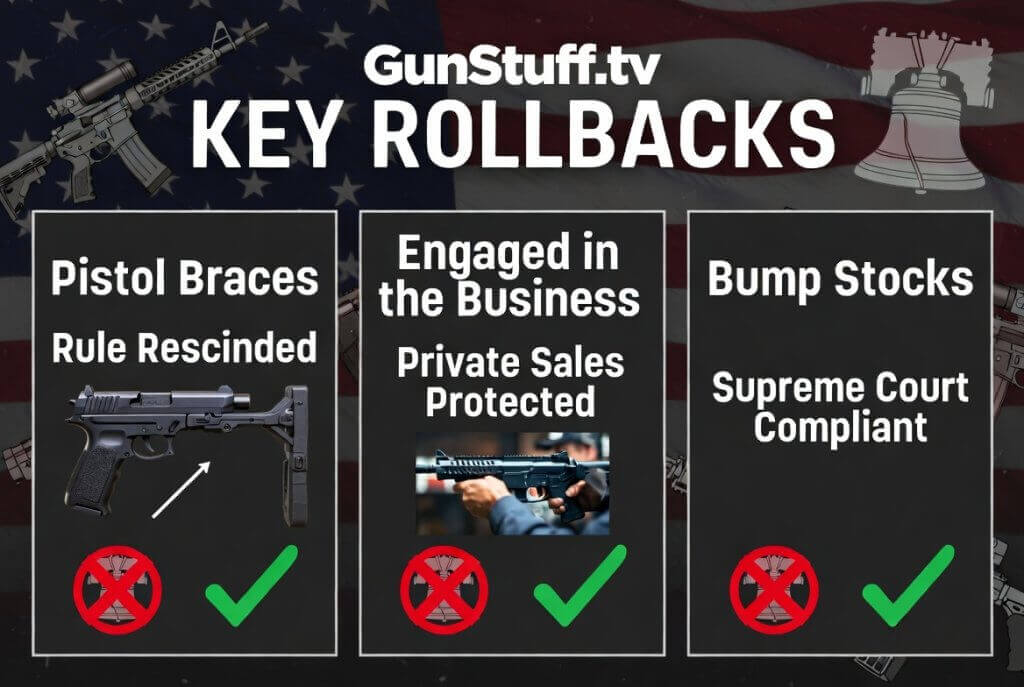
    • Pistol Stabilizing Braces (1140-AA98 – NPRM): Full rescission of the 2023 “factoring criteria” rule that turned millions of braced pistols into unregistered SBRs. Courts had already largely blocked it.
    • “Engaged in the Business” Definition (1140-AB01 – NPRM): Rolls back the 2024 expansion that pushed more private sellers into needing an FFL. Returns to the statutory standard from the Bipartisan Safer Communities Act.
    • Machine Gun Definition (1140-AA60 – FINAL RULE): Removes bump-stock language to comply with the Supreme Court’s Garland v. Cargill decision.
    • Youth Handgun Safety Act Notices (1140-A87 – NPRM): Eliminates outdated sign-posting and paperwork requirements.

    Modernizing Outdated Paperwork

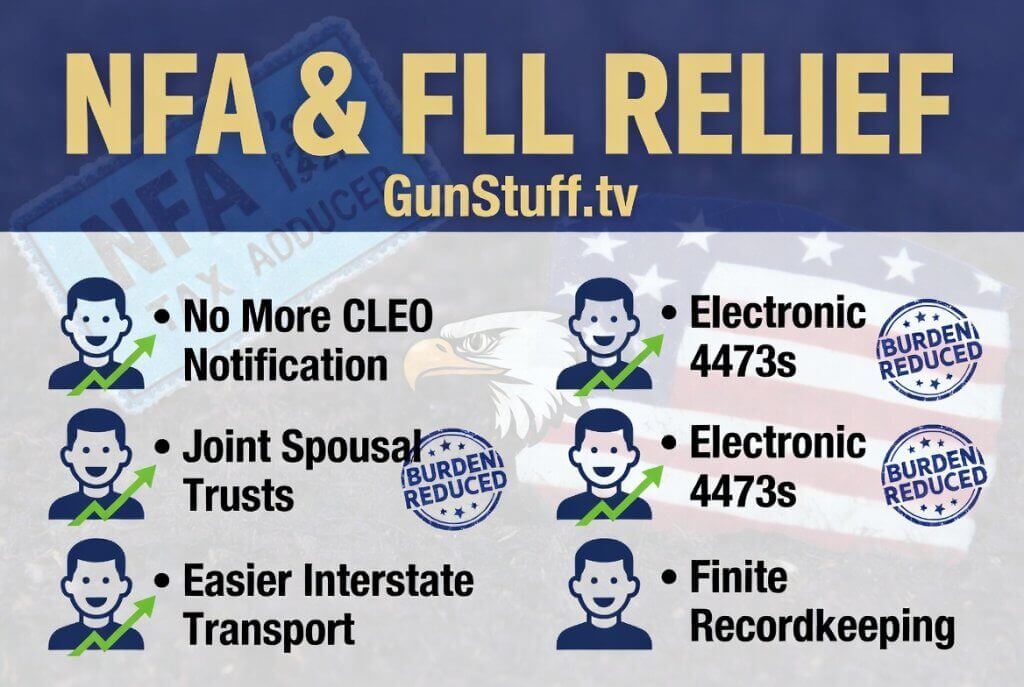
    • Comprehensive overhaul of ATF Form 4473 (1140-AA82 – NPRM): Streamlined checks, longer NICS validity, electronic forms, auto-population, and digital attachments.
    • Electronic Recordkeeping (1140-AA94 – NPRM): Codifies use of electronic A&D books and 4473s.
    • Finite Records Retention (1140-AA95 – NPRM): Ends the “keep forever” rule — now limited to 20 or 30 years.
    • eZ Check for FFL-to-FFL transfers (1140-AA61 – Direct Final Rule).
    • Non-Over-the-Counter (NOTC) sales (1140-AB05 – NPRM): Easier same-state sales with modern verification.

    Big Relief for NFA Owners & FFLs

    • NFA Interstate Transport (1140-AA89 – NPRM): No more advance ATF approval or notice for trips of 365 days or less.
    • Joint Spousal NFA Registration (1140-AB00 – NPRM): Married couples can register jointly without forming a trust. Spousal transfers simplified.
    • No More CLEO Notification (1140-AA65 – NPRM).
    • Interstate Transportation Clarifications (1140-AA73 – NPRM): Normal travel stops (gas, food, lodging, emergencies) are explicitly protected.
    • Special Occupational Tax (SOT) Clarification and other simplifications for machine gun transfers, imports, and business operations.

    Additional changes modernize import rules, update definitions (including “unlawful user of controlled substances”), clarify “willful” violations, and provide better straw-purchase guidance.

    Why This Matters

    This is Trump 2.0 delivering on promises to end the regulatory war on gun owners. After years of Biden-era overreach on braces, private sales, and NFA processes, the pendulum is swinging back hard — aligned with Supreme Court precedent and common sense.

    Many rules are proposed (NPRMs) with public comment periods opening soon. Others are final or direct final. This is your chance to submit comments on Regulations.gov.

    GunStuff.tv will track each rule as it moves forward and tell you exactly when and how to comment on the ones that matter most to you.

    Bottom line: Law-abiding Americans win. Your wallet wins. The Constitution wins.

    What change excites you most — the brace repeal, NFA transport relief, electronic 4473s, or spousal trusts? Drop your thoughts in the comments and subscribe for continuing coverage.

    Stay armed, stay free.

    Join the Fight - Second Amendment Foundation

    References