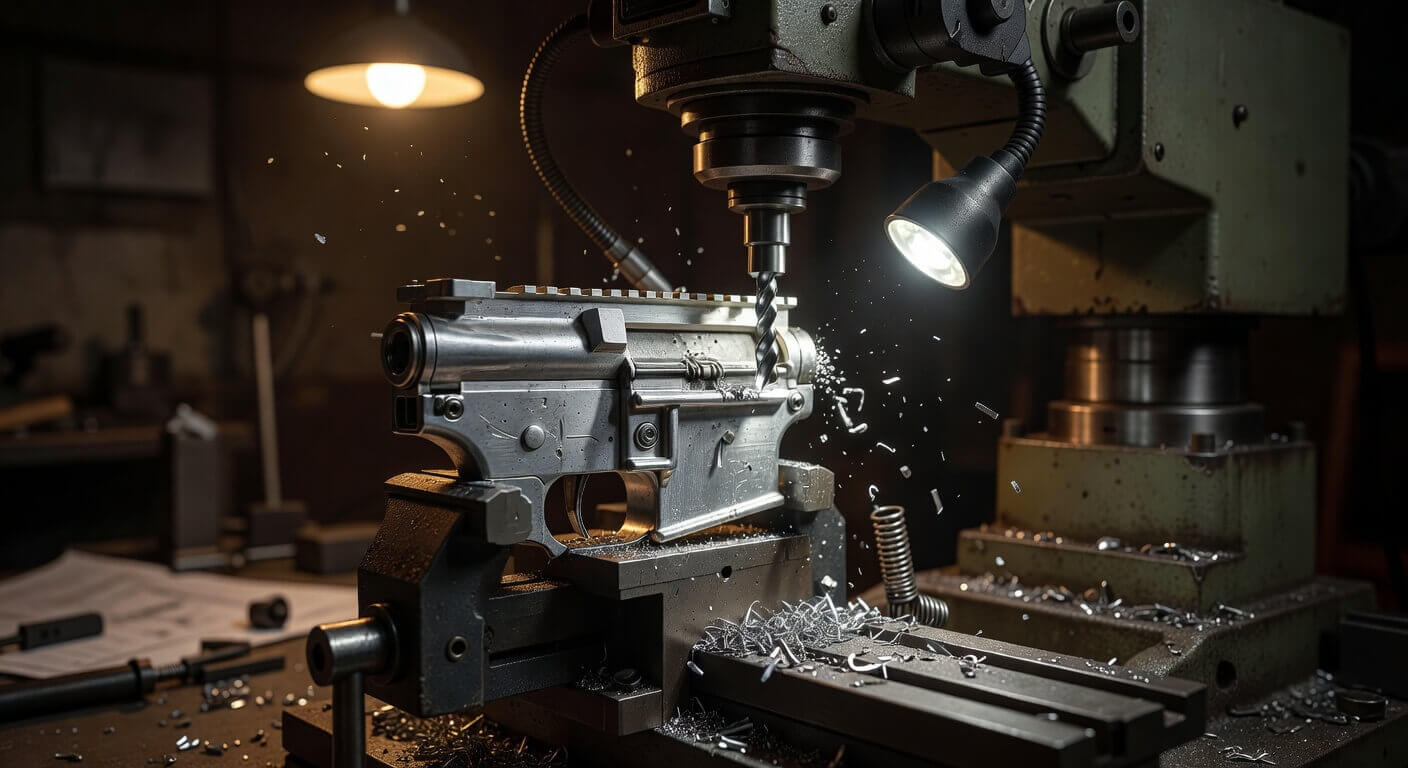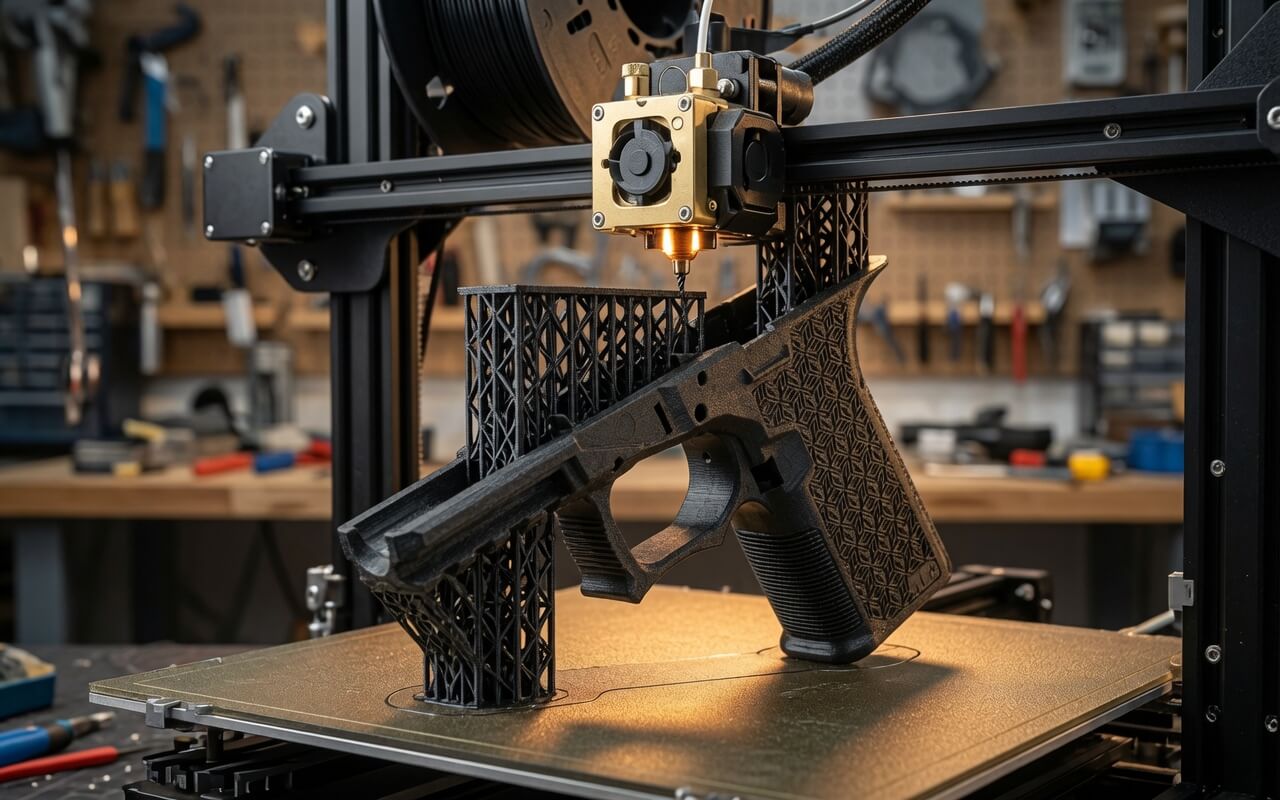
Tag: Ghost Guns

  • Multiple States Enact New Restrictions on 3D-Printed and Ghost Guns in 2026

    Multiple States Enact New Restrictions on 3D-Printed and Ghost Guns in 2026

    The recent wave of legislation targeting 3D-printed firearms and unserialized “ghost guns” in states like Colorado, Maine, New Jersey, New York, Virginia, and Washington represents yet another coordinated effort to chip away at our fundamental Second Amendment rights. These measures, sold under the guise of public safety, primarily burden law-abiding citizens who simply want to exercise their constitutional freedoms without excessive government oversight or tracking.

    Lawmakers claim these restrictions address rising recoveries of such firearms by police, yet the data often tells a different story. Many of these recoveries involve individuals already prohibited from owning guns, proving once again that criminals ignore laws while responsible gun owners face new hurdles. Serialization requirements and bans on certain manufacturing methods do nothing to stop determined bad actors—they only create a paper trail that could one day be used against everyday Americans.
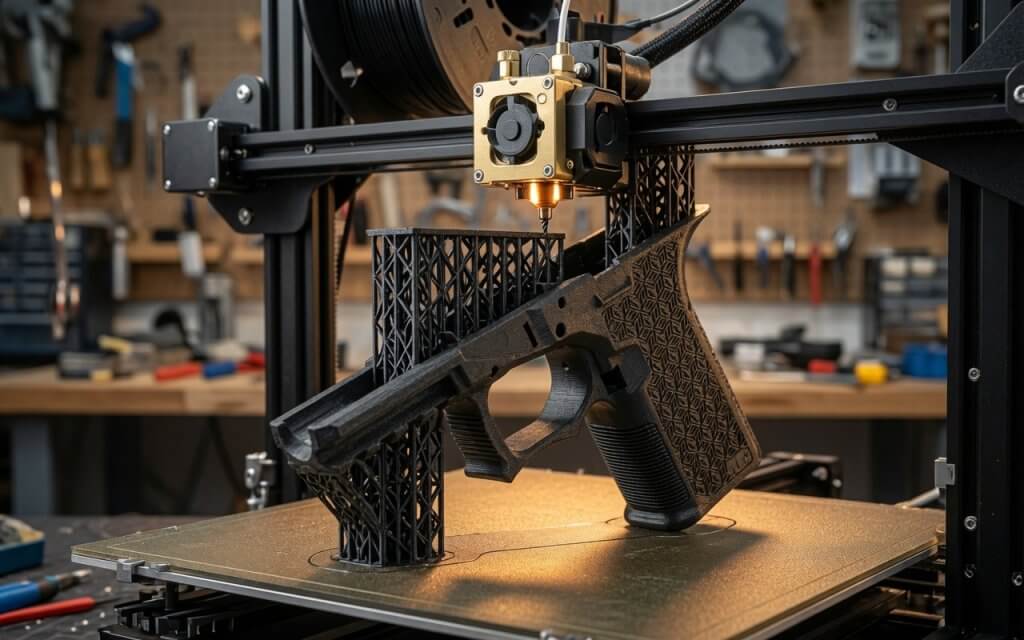

    Proponents of these laws ignore the reality that homemade firearms have long been a part of American tradition, allowing individuals to build and maintain weapons without relying on commercial manufacturers subject to federal registries. Tightening rules on 3D printing and unserialized builds effectively limits innovation and self-reliance in the firearms community.

    Instead of focusing on enforcement against violent offenders, these states are expanding definitions of what constitutes a regulated firearm, potentially sweeping in common parts kits and printing files. This approach echoes past failed policies that expanded background checks and restrictions without measurable drops in crime rates.

    Gun owners across the country should view this trend as a call to action. Contact your state representatives, support organizations defending the right to keep and bear arms, and stay informed on how to legally navigate these changing rules. The right to bear arms includes the means to produce and maintain them—don’t let incremental restrictions erode that principle.

    Join the Fight - Second Amendment Foundation

    References

  • Connecticut House Passes HB 5043: Ban on ‘Convertible Pistols’ Easily Modified into Machine Guns with Glock Switches

    Connecticut House Passes HB 5043: Ban on ‘Convertible Pistols’ Easily Modified into Machine Guns with Glock Switches

    Connecticut’s gun-grabbing politicians are at it again, pushing yet another assault on our Second Amendment rights. In a razor-thin vote of 76-73, the House passed HB 5043, which bans the manufacture, sale, and possession of so-called “convertible pistols.” These are firearms that anti-gunners claim can be “easily” turned into fully automatic machine guns with devices like Glock switches. The bill also ramps up “ghost gun” restrictions by targeting unfinished frames and receivers. Gun rights advocates are firing back, calling this blatant overreach on weapons already heavily regulated at the federal level.

    Connecticut House chamber during the narrow vote on HB 5043, with lawmakers debating the anti-gun bill.
    Connecticut House chamber during the narrow vote on HB 5043, with lawmakers debating the anti-gun bill. (via ctpublic.org)

    What HB 5043 Really Means for Law-Abiding Gun Owners

    Let’s break it down. A “convertible pistol” under this bill is any handgun that could theoretically be modified into a full-auto weapon using a Glock switch or similar illegal device. But here’s the kicker: full-auto conversions are already illegal under federal law. The National Firearms Act of 1934 and the Hughes Amendment of 1986 make it crystal clear—no new machine guns for civilians, period. Glock switches? Those are nothing but illegal auto sears, prosecutable under federal statutes with serious prison time.

    So why the panic? This isn’t about stopping criminals; it’s about demonizing semi-automatic pistols that millions of Americans own legally for self-defense, sport, and collecting. Lawmakers in Hartford want to preemptively criminalize potential modifications, punishing responsible owners for the hypothetical sins of bad actors. It’s like banning cars because some joyrider might soup up the engine—absurd and unconstitutional.

    Ghost Guns: The Latest Bogeyman

    The bill doesn’t stop at pistols. It expands Connecticut’s ghost gun crackdown to include unfinished frames and receivers—basic components that hobbyists and builders use to exercise their God-given right to keep and bear arms. The Supreme Court in District of Columbia v. Heller affirmed that the Second Amendment protects individual rights, including the right to assemble your own firearm from legal parts.

    Federal rules already require serialization and background checks for completed firearms. Unfinished frames? They’re no different from 80% lowers or AR-15 kits sold nationwide. This is nanny-state overreach, stripping away the ability to customize and build without Big Brother’s permission. Criminals don’t follow laws anyway—they 3D print or machine their own. This only burdens the law-abiding.

    Close-up of a Glock switch auto sear, an illegal device already banned federally, highlighting Connecticut's redundant overreach.
    Close-up of a Glock switch auto sear, an illegal device already banned federally, highlighting Connecticut’s redundant overreach. (via ctmirror.org)

    2A Backlash: The People Speak Out

    Pro-2A groups like the NRA and Connecticut Citizens Defense League are leading the charge against HB 5043. “This is a solution in search of a problem,” said one advocate. “Connecticut’s crime rates aren’t driven by legal pistol owners—it’s soft-on-crime policies letting felons roam free.” The narrow vote shows even some Democrats smell the tyranny; public hearings overflowed with testimonials from veterans, hunters, and everyday carriers decrying the bill as a slippery slope to total confiscation.

    Remember Sandy Hook? Connecticut used that tragedy to pass some of the nation’s strictest gun laws, yet violent crime persists. More restrictions won’t fix root causes like mental health failures or gang violence. They just erode freedoms.

    Take Action: Stop the Senate Madness

    HB 5043 now heads to the Senate, where it could become law if we sit idle. Contact your state senators today. Urge them to kill this bill. Join pro-2A organizations, support legal challenges, and vote out anti-gun extremists in November.

    The Second Amendment isn’t negotiable. Connecticut’s politicians think they can chip away at it one “common-sense” ban at a time. Not on our watch. Stay armed, stay informed, and stay free.

    Follow GunStuff.tv for the latest 2A news and analysis. Share this if you’re pro-Second Amendment!

    Join the Fight - Second Amendment Foundation

    References

  • Tenth Circuit Court Rules Colorado’s Unserialized Firearms Parts Ban Implicates Second Amendment Rights in Major Win for Gun Builders

    Tenth Circuit Court Rules Colorado’s Unserialized Firearms Parts Ban Implicates Second Amendment Rights in Major Win for Gun Builders

    In a blockbuster decision that’s got Second Amendment advocates cheering from the rooftops, the U.S. Court of Appeals for the Tenth Circuit just handed gun builders a massive win against Colorado’s overreaching ban on unserialized firearms parts. This ruling doesn’t just smack down nanny-state regulations—it’s a clear signal that your right to build your own firearm at home is protected under the Second Amendment.

    U.S. Court of Appeals for the Tenth Circuit building with American flag and Second Amendment imagery overlayThe Case at a Glance: Rocky Mountain Gun Owners v. Polis

    Colorado’s HB23-1230, signed into law by Governor Jared Polis, aimed to criminalize the possession, sale, and manufacture of unserialized “firearms” and “large-capacity magazines.” But here’s the kicker: the law swept up unfinished frames, receivers, and parts kits—stuff that’s been a staple for hobbyists and home builders for generations. Groups like Rocky Mountain Gun Owners (RMGO) and the National Association for Gun Rights sued, arguing this was a blatant Second Amendment violation.

    The district court dismissed the case, but the Tenth Circuit said “not so fast.” In a 2-1 decision penned by Judge Jerome Holmes, the panel ruled that Colorado’s ban on unserialized parts implicates the Second Amendment. Translation: These aren’t just hunks of metal; they’re “bearable arms” or components thereof, protected by the Constitution. The court kicked it back to the lower court to apply the Bruen test—does the government have solid historical analogs from 1791 or 1868 to justify the restriction? Spoiler: They probably don’t.

    “The State’s prohibition on certain unserialized firearms and parts falls within the Second Amendment’s protections because it regulates conduct protected by the plain text of the Amendment: creating and possessing arms.”
    — Excerpt from the Tenth Circuit ruling

    Why This Matters for Every Gun Owner

    Let’s cut through the legalese: This is about your freedom to tinker, build, and own without Big Brother slapping a serial number on every piece. Home firearm construction—think 80% lowers milled into functional receivers—has roots in American tradition. Our Founding Fathers didn’t need ATF Form 4473 to defend their liberties.

    Colorado’s ban was part of the “ghost gun” panic, fueled by ATF’s 2022 rule redefining what counts as a “firearm.” States jumped on the bandwagon, but courts are pushing back. This Tenth Circuit smackdown joins victories like the Ninth Circuit’s VanDerStok skepticism and district court injunctions nationwide. It’s a lifeline for builders who value privacy and self-reliance over government tracking.

    Close-up of a home-built AR-15 lower receiver from an 80% unfinished frame, tools and workbench in background

    Image via usconstitution.net

    Bigger Picture: A Ripple Effect Across the Country

    This isn’t just a Colorado win—it’s a blueprint for challenging similar laws in California, New York, and beyond. The Tenth Circuit explicitly rejected the idea that unfinished parts are fair game for regulation without historical backing. Expect more lawsuits, more injunctions, and hopefully, more common-sense rulings affirming that the Second Amendment isn’t a suggestion.

    Shoutout to RMGO’s John Sanford and the legal eagles at America First Legal for fighting the good fight. Their persistence turned a potential loss into a pivotal precedent.

    Stay Armed and Informed

    Gun owners, this is why we celebrate victories like this but never rest. Anti-2A politicians will regroup—support your local gun rights orgs, vote like your rights depend on it (they do), and keep building those dream guns legally. The Second Amendment isn’t self-enforcing; it’s defended one court battle at a time.

    What do you think—will this ruling doom “ghost gun” bans nationwide? Drop your thoughts in the comments below, and subscribe for more pro-2A updates straight to your inbox.

    Join the Fight - Second Amendment Foundation

    References

  • SAF Files Motion for Summary Judgment Challenging ATF’s Frame and Receiver Rule on ‘Ghost Guns’

    SAF Files Motion for Summary Judgment Challenging ATF’s Frame and Receiver Rule on ‘Ghost Guns’

    Big news for Second Amendment defenders: the Second Amendment Foundation (SAF) and Defense Distributed just dropped a bombshell motion for summary judgment in the pivotal case Defense Distributed v. Blanche (previously known as VanDerStok v. Garland). Filed on April 27, 2026, this motion strikes at the heart of the ATF’s overreaching 2022 Frame and Receiver Rule, which absurdly tries to redefine “firearms” to include unfinished frames, receivers, and even precursor parts. It’s time to shut down this bureaucratic assault on our right to build our own guns.

    Legal documents from SAF motion for summary judgment challenging ATF ghost gun rule, featuring gavel and unfinished AR-15 lower receiver

    What’s the ATF Up To? A Rule Born of Fearmongering

    Back in 2022, under the Biden administration’s anti-gun frenzy, the ATF issued its Frame and Receiver Rule. This gem of regulatory creativity expanded the definition of a “firearm” under the Gun Control Act (GCA) to snag unfinished parts—think 80% lowers, milled receivers, and basic kits that hobbyists use to exercise their God-given right to self-manufacture. The agency claimed these “ghost guns” (their scary buzzword for privately made firearms) were a public safety crisis. Reality check: criminals don’t follow rules, and law-abiding Americans building personal defense tools at home aren’t the problem.

    The rule doesn’t just redefine terms; it creates a nightmare of compliance. Suddenly, selling a partially drilled block of aluminum could land you in felony territory. SAF and Defense Distributed argue—and rightfully so—that this violates the GCA by regulating items that aren’t firearms at all. Unfinished parts aren’t ready-to-fire weapons; they’re raw materials protected by centuries of American tradition.

    Violations Galore: GCA, APA, and the Second Amendment

    The motion lays out a airtight case:

    • GCA Overreach: The Gun Control Act defines firearms as complete, operable weapons. Unfinished frames and receivers? Not even close. ATF’s expansion is pure fiction, turning hobbyists into felons overnight.
    • APA Failures: The Administrative Procedure Act demands clear, reasoned rules. This one? A confusing mess that deters private manufacturing without justification. It’s arbitrary, capricious, and ripe for invalidation.
    • Second Amendment Sanctuary: Private firearm making is as American as apple pie and the Minutemen. From colonial gunsmiths to modern 3D printers, it’s a core right affirmed by Bruen and historical precedent. ATF can’t erase that with a stroke of the pen.

    Courts have already pushed back. The Fifth Circuit remanded the case, and the Supreme Court vacated and remanded for further review. Now, with this motion, SAF is gunning for a knockout blow—summary judgment to kill the rule dead.

    Close-up of an 80% AR-15 lower receiver being milled into a functional firearm frame, symbolizing private manufacturing rights

    Why This Matters to Every Gun Owner

    If the ATF wins, say goodbye to home builds, 80% projects, and even selling drill presses without a license. It’s a slippery slope to total control: next up, your CNC machine or 3D printer files. But victory here means freedom—restoring the right to privately make firearms without Big Brother’s permission slip.

    SAF’s Alan Gottlieb nailed it: “The ATF has no authority to redefine firearms.” Defense Distributed’s Cody Wilson, the pioneer of digital gun files, has been fighting this fight from the start. Together, they’re our frontline warriors.

    Stay in the Fight

    Support SAF at saf.org and keep building. The tide is turning against ATF tyranny. Watch this case closely—summary judgment could dismantle the ghost gun rule for good, handing 2A a massive win. What’s your take? Drop a comment below and share this post to spread the word.

    Stay armed, stay free.

    Join the Fight

    References