Tag: Second Amendment

  • Multiple States Enact New Restrictions on 3D-Printed and Ghost Guns in 2026

    Multiple States Enact New Restrictions on 3D-Printed and Ghost Guns in 2026

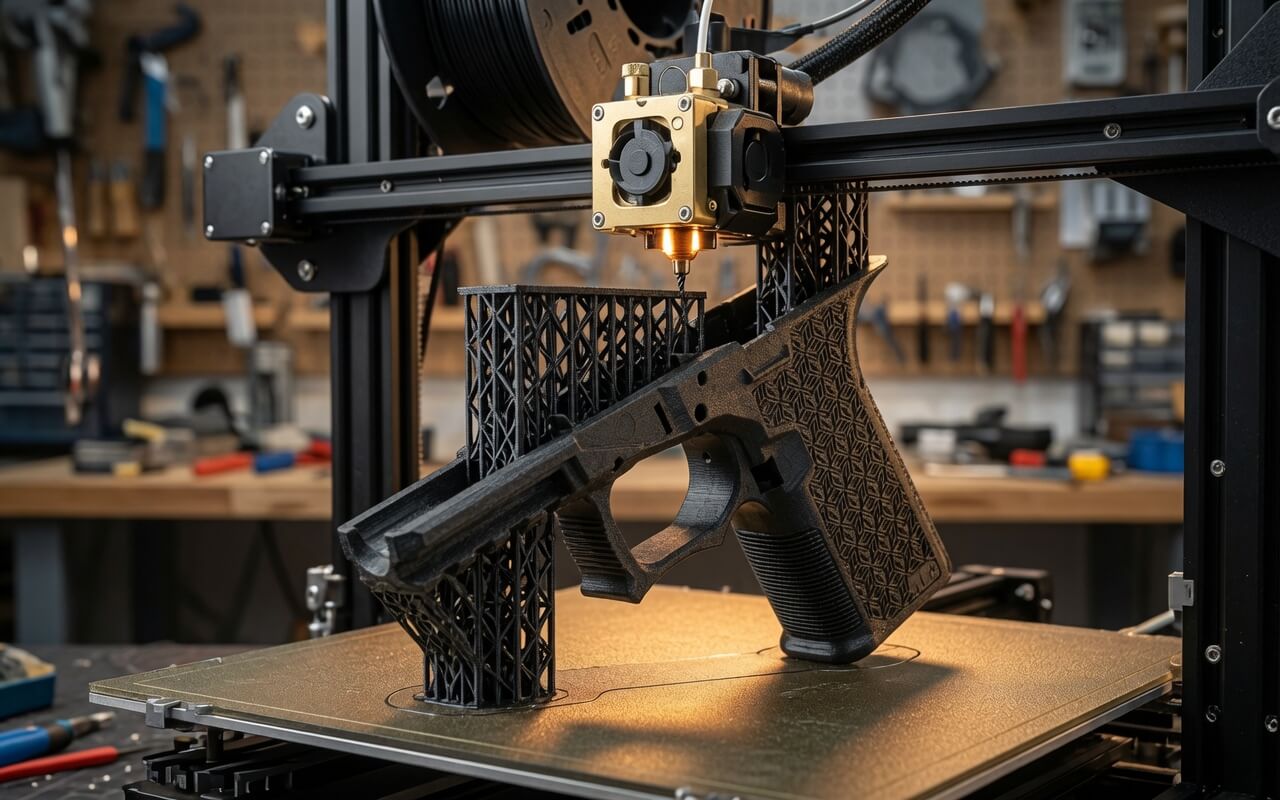
    The recent wave of legislation targeting 3D-printed firearms and unserialized “ghost guns” in states like Colorado, Maine, New Jersey, New York, Virginia, and Washington represents yet another coordinated effort to chip away at our fundamental Second Amendment rights. These measures, sold under the guise of public safety, primarily burden law-abiding citizens who simply want to exercise their constitutional freedoms without excessive government oversight or tracking.

    Lawmakers claim these restrictions address rising recoveries of such firearms by police, yet the data often tells a different story. Many of these recoveries involve individuals already prohibited from owning guns, proving once again that criminals ignore laws while responsible gun owners face new hurdles. Serialization requirements and bans on certain manufacturing methods do nothing to stop determined bad actors—they only create a paper trail that could one day be used against everyday Americans.
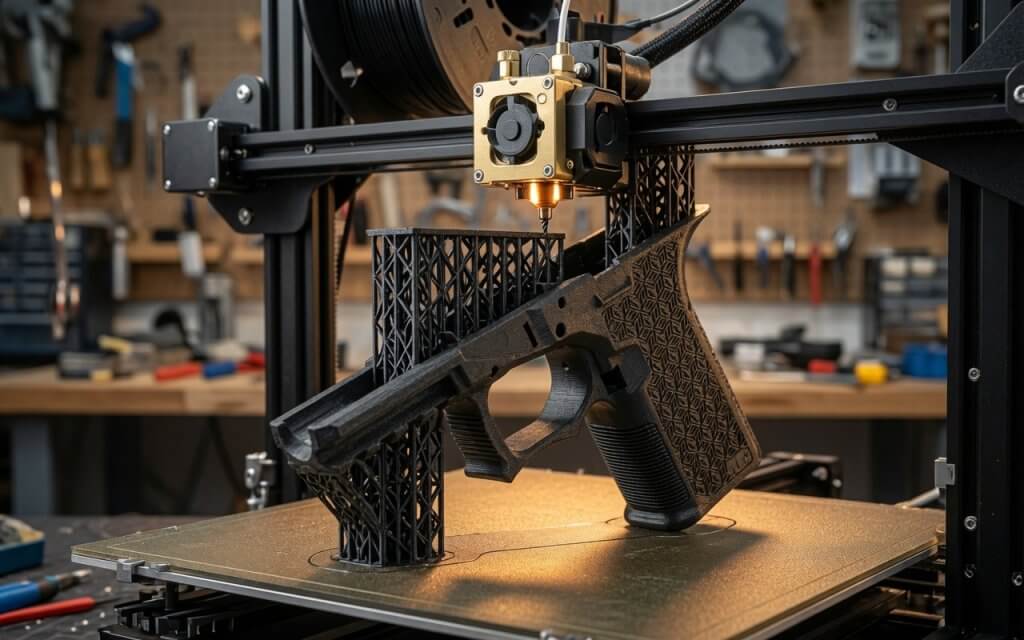

    Proponents of these laws ignore the reality that homemade firearms have long been a part of American tradition, allowing individuals to build and maintain weapons without relying on commercial manufacturers subject to federal registries. Tightening rules on 3D printing and unserialized builds effectively limits innovation and self-reliance in the firearms community.

    Instead of focusing on enforcement against violent offenders, these states are expanding definitions of what constitutes a regulated firearm, potentially sweeping in common parts kits and printing files. This approach echoes past failed policies that expanded background checks and restrictions without measurable drops in crime rates.

    Gun owners across the country should view this trend as a call to action. Contact your state representatives, support organizations defending the right to keep and bear arms, and stay informed on how to legally navigate these changing rules. The right to bear arms includes the means to produce and maintain them—don’t let incremental restrictions erode that principle.

    Join the Fight - Second Amendment Foundation

    References

  • Arkansas, Tennessee, Utah Mandate Firearm Safety Instruction in K-12 Public Schools for 2025-2026

    Arkansas, Tennessee, Utah Mandate Firearm Safety Instruction in K-12 Public Schools for 2025-2026

    In a refreshing shift toward empowerment over prohibition, Arkansas, Tennessee, and Utah are stepping up with mandatory, age-appropriate firearm safety instruction in their K-12 public schools starting this academic year. This isn’t about fear or restriction—it’s about equipping the next generation with the knowledge to handle firearms responsibly, a core tenet of Second Amendment culture that values training and personal accountability.

    Why Education Beats Restrictions Every Time

    These states recognize that guns aren’t going away, and pretending otherwise only leaves kids vulnerable to accidents or misinformation. Instead of pushing more red tape that burdens law-abiding citizens, policymakers are focusing on real-world skills. Students will learn everything from basic handling rules and storage best practices to recognizing when a firearm is present and responding safely. It’s practical, it’s proactive, and it aligns perfectly with the American tradition of responsible ownership.

    A Growing Trend Worth Celebrating

    This move reflects a broader, common-sense approach sweeping parts of the country: prioritize training to reduce incidents rather than demonizing the tool itself. Arkansas, Tennessee, and Utah are leading by example, proving that states can protect their citizens by fostering respect for firearms instead of breeding ignorance. Parents and gun owners alike should see this as a win—kids who understand safety grow into adults who defend the right to bear arms with confidence and competence.

    Critics from the anti-gun crowd will likely spin this as insufficient, but the data tells a different story. States emphasizing education consistently see lower rates of negligent discharges and accidental injuries. By embedding these lessons early, we’re building a culture where the Second Amendment isn’t just a right—it’s a responsibility upheld through knowledge passed down generation to generation.

    What This Means for Families and Communities

    For parents in these states, the new requirements offer peace of mind that schools are reinforcing the same values taught at home. Whether it’s a hunter safety module for older students or simple “stop and tell an adult” guidance for younger ones, the curriculum stays age-appropriate while delivering maximum impact. Communities benefit too, as informed citizens are less likely to fall for scare tactics and more likely to support policies that actually work.

    As these programs roll out in 2025-2026, expect to see similar initiatives gain traction elsewhere. The message is clear: the path forward for gun safety lies in education, not erosion of our constitutional rights. Here’s to states that get it right by trusting people with the tools and the training to use them wisely.

    Join the Fight - Second Amendment Foundation

    References

  • ATF Announces Landmark Regulatory Reform Package to Reduce Burdens on Gun Owners and Businesses

    ATF Announces Landmark Regulatory Reform Package to Reduce Burdens on Gun Owners and Businesses

    In a move that has sent ripples of excitement through the firearms community, the Bureau of Alcohol, Tobacco, Firearms and Explosives (ATF) and the Department of Justice have unveiled an ambitious set of regulatory changes aimed squarely at easing the load on law-abiding gun owners and Federal Firearms Licensees alike. This coordinated release of 34 proposed and final rules under the banner of a “New Era of Reform” represents a significant shift toward modernizing decades-old regulations that have long frustrated the Second Amendment community.

    https://www.atf.gov/news/press-releases/doj-and-atf-announce-regulatory-reforms-to-reduce-burdens-law-abiding-gun-owners-and-businesses

    The timing couldn’t be better. Released in late April 2026 and aligned with executive actions protecting constitutional carry rights, these reforms target everything from outdated recordkeeping requirements to cumbersome NFA processes. FFL holders can expect streamlined operations that cut through red tape, allowing more focus on serving customers rather than wrestling with paperwork.
    Key highlights include clarified compliance guidelines under both the National Firearms Act and Gun Control Act, which promise to reduce ambiguous interpretations that have previously led to unnecessary enforcement actions. Gun owners will benefit from simplified transfer procedures and reduced administrative hurdles when dealing with suppressors, short-barreled rifles, and other NFA items. Businesses, meanwhile, gain clearer pathways for inventory management and reporting, potentially lowering operational costs across the industry.
    This package doesn’t just tweak minor details—it modernizes the entire framework. By prioritizing efficiency and fairness, the reforms acknowledge that responsible firearms ownership is a protected right, not a privilege subject to endless bureaucratic hurdles. Industry leaders are already hailing the changes as a long-overdue correction that strengthens the ecosystem supporting America’s gun culture.
    Looking ahead, these updates could pave the way for even greater innovations in compliance technology and training resources. For enthusiasts and professionals tracking ATF developments, this moment marks an encouraging step forward—one that reinforces the principle that regulations should enable, not obstruct, the exercise of Second Amendment freedoms. Stay tuned as the public comment periods unfold and the full impact takes shape.

    Join the Fight - Second Amendment Foundation

    References

  • NRA Files Lawsuit Challenging Michigan’s License-to-Purchase Regime

    NRA Files Lawsuit Challenging Michigan’s License-to-Purchase Regime

    In a decisive strike against government overreach, the National Rifle Association has launched a federal lawsuit targeting Michigan’s license-to-purchase system for firearms. This regime forces law-abiding citizens to navigate bureaucratic hurdles just to exercise a fundamental constitutional right, and the NRA is calling it out as an unconstitutional barrier that cannot stand.

    The complaint highlights how Michigan’s requirements demand extensive paperwork, fees, and waiting periods even for basic handgun acquisitions. These layers of red tape do nothing to enhance public safety but instead punish responsible adults who simply want to protect their families and exercise their Second Amendment freedoms. Historical analysis shows that such permitting schemes echo past efforts to disarm certain populations, a tactic the Founders explicitly rejected when they enshrined the right to keep and bear arms.

    NRA Files Lawsuit Challenging Michigan’s License-to-Purchase Regime – NRA-ILA
    NRA Files Lawsuit Challenging Michigan’s License-to-Purchase Regime – NRA-ILA

    Critics of the lawsuit often claim these rules prevent crime, yet data from shall-issue states demonstrates that easing restrictions on lawful carry correlates with stable or declining violent crime rates. Michigan’s approach instead creates a de facto registry and delays that disproportionately affect rural residents, minorities, and those in high-crime urban areas who need self-defense tools most. The NRA’s legal team is armed with Supreme Court precedents like Bruen, which demands that any modern restriction must align with the nation’s historical tradition of firearm regulation—something Michigan’s license system fails to satisfy.

    Lawmakers pushing these permits frequently ignore the real-world impact: thousands of Michiganders face months-long backlogs, background check delays, and arbitrary denials. This isn’t about safety; it’s about control. Every day the system remains in place, it chills the exercise of a core liberty that predates the Constitution itself.

    The lawsuit seeks to dismantle these barriers and restore the presumption that peaceable citizens may acquire and carry arms without prior government permission. Supporters across the state are rallying behind the effort, recognizing that victories here will set precedents protecting gun owners nationwide from similar schemes.

    As the case moves forward, it serves as a reminder that the Second Amendment is not a privilege granted by politicians but an individual right that demands vigilant defense. The NRA’s action puts Michigan officials on notice: unconstitutional burdens on lawful firearm ownership will face swift and determined legal resistance.

    Join the Fight - Second Amendment Foundation

    References

  • Pennsylvania Superior Court Rules Philadelphia Firearm Carry Ban Unconstitutional in Sumpter Case

    Pennsylvania Superior Court Rules Philadelphia Firearm Carry Ban Unconstitutional in Sumpter Case

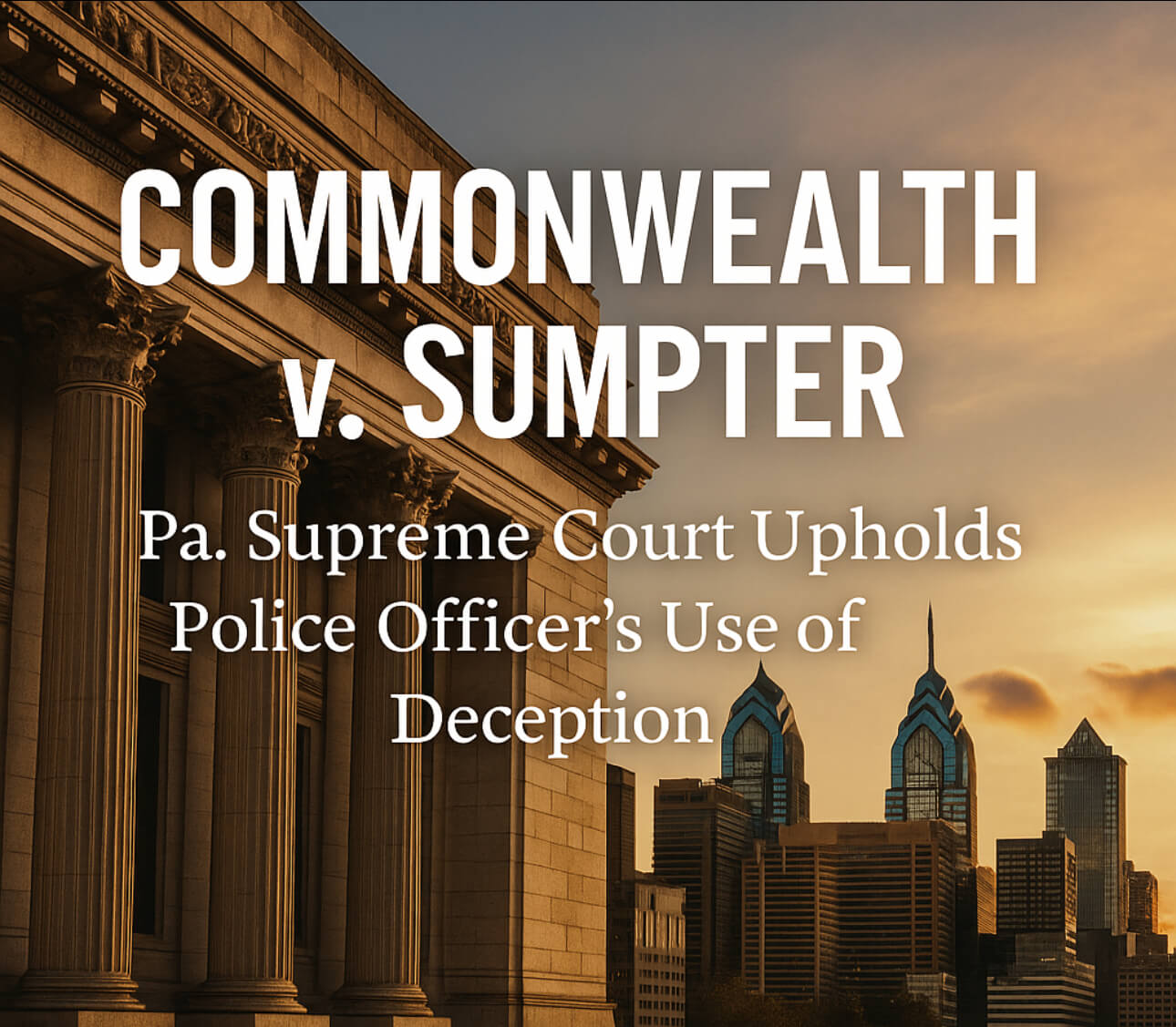
    In a major victory for Second Amendment advocates across the Keystone State, the Pennsylvania Superior Court has struck down Philadelphia’s restrictive firearm carry ban as applied in the case of Commonwealth v. Sumpter. This ruling sends a clear message that local governments cannot override constitutional protections with blanket prohibitions on the right to bear arms.

    Understanding the Sumpter Decision

    The court examined Section 6108 of the Uniform Firearms Act, which had long prevented unlicensed carry on Philadelphia’s public streets. In this as-applied challenge, the judges determined that the restriction violated the Second Amendment. Rather than issuing a broad facial invalidation, the decision focuses on how the law infringes on law-abiding citizens’ rights in specific circumstances, aligning closely with the Supreme Court’s Bruen framework that demands historical analogues for modern gun regulations.

    Pennsylvania Superior Court Strikes Down Philadelphia’s Open Carry Ban
    TheTownLaw.com

    Why This Matters for Philadelphia Gun Owners

    Philadelphia has maintained some of the strictest local gun controls in Pennsylvania, often clashing with state preemption laws. The Sumpter ruling chips away at these barriers, empowering residents who seek to exercise their right to self-defense outside the home. Law-abiding citizens now have stronger grounds to challenge similar enforcement actions, potentially easing the path toward shall-issue permitting reforms.

    Broader Implications for Pennsylvania Preemption

    This decision could accelerate ongoing efforts to enforce uniform statewide standards on firearm carry. Municipalities attempting to impose extra layers of restriction may face increased legal scrutiny. Second Amendment supporters view the outcome as further evidence that courts are increasingly willing to reject post-Bruen attempts to limit public carry through local ordinances.

    • Strengthens individual challenges against selective enforcement
    • Reinforces state-level preemption of local gun laws
    • Sets precedent for similar cases in other Pennsylvania counties

    Gun owners and civil rights organizations are already celebrating the result as another step toward restoring the full scope of the Second Amendment in urban areas. The ruling reminds us that constitutional rights do not stop at city limits, and vigilance remains essential to prevent future encroachments.

    Stay engaged with your state representatives and local Second Amendment groups to ensure this momentum continues. Every victory like Sumpter builds the foundation for lasting protection of our fundamental right to keep and bear arms.

    Join the Fight - Second Amendment Foundation

    References

  • Second Circuit Upholds New York Ban on Firearms in Public Parks

    Second Circuit Upholds New York Ban on Firearms in Public Parks

    The recent ruling from the Second Circuit delivers a mixed bag for New York gun owners, and the pro-Second Amendment community isn’t celebrating the parts that restrict our rights. While the court correctly struck down the state’s overreaching private property consent law, its decision to uphold the ban on firearms in urban public parks represents yet another attempt to chip away at the fundamental right to bear arms in public spaces.

    Vibrant urban public park in New York City showing open lawns, walking paths, and families enjoying outdoor activities

    Under the Bruen framework, courts must look to the nation’s historical traditions for guidance on firearm regulations. The Second Circuit claimed that bans on guns in parks align with those traditions, but this stretches historical analogies far beyond reason. Public parks as we know them today didn’t exist in the founding era, and early laws targeted specific dangers like firing weapons near crowded areas—not blanket prohibitions on peaceful carry by law-abiding citizens.

    A Partial Victory on Private Property

    The silver lining comes from the court’s rejection of New York’s requirement that permit holders obtain explicit consent before carrying on private property. This provision was a blatant attempt to turn the default from “shall not be infringed” into “ask permission first.” By striking it down, the Second Circuit acknowledged that such rules flip the Constitution on its head and create impossible compliance burdens for everyday carriers.

    Grand facade of a federal appellate courthouse with columns and American flag flying

    Why Parks Should Remain Open for Carry

    Parks are quintessential public forums where millions of Americans exercise, relax, and gather with family. Treating them as “sensitive places” exempt from constitutional protection ignores the reality that law-abiding gun owners pose no greater threat than anyone else. Historical evidence shows that restrictions on carrying in parks are largely modern inventions, not rooted in the founding era’s understanding of the right to keep and bear arms.

    This decision highlights the ongoing battle in the courts. While one flawed interpretation of history prevailed on parks, the rejection of the consent requirement proves that aggressive state overreach can still be pushed back. Gun owners across New York and beyond should stay engaged, support strong legal challenges, and continue advocating for the full scope of our Second Amendment rights in every public space.

    Join the Fight - Second Amendment Foundation

    References

  • New Federal Bill Introduced to Expand Gun Owner Privacy Protections in Digital Background Checks

    New Federal Bill Introduced to Expand Gun Owner Privacy Protections in Digital Background Checks

    In a bold step toward safeguarding the rights of law-abiding gun owners, a bipartisan group of senators has unveiled legislation that could reshape how firearm background checks handle sensitive personal data. The proposed bill targets the growing web of federal databases that have increasingly pulled purchaser information into shared systems, often without clear consent or oversight. By limiting broad data sharing, the measure aims to prevent unnecessary government surveillance while keeping the core background check process intact for public safety.

    Gun owners across the country have voiced frustration over how digital tools have expanded tracking capabilities in recent years. This new proposal directly addresses those worries by requiring stricter firewalls around individual records. Instead of allowing seamless integration across multiple agencies, the legislation would mandate that data from Form 4473 stays siloed unless specific, narrow conditions are met. Advocates argue this restores a crucial layer of privacy that the Founders intended when they enshrined the Second Amendment.

    Senators presenting legislation to protect gun owner data from federal databases

    Critics of unchecked digital expansion point to real-world examples where routine purchases have landed in expansive federal systems, raising fears of future misuse. The bill counters this by adding explicit prohibitions on using purchaser information for anything beyond the immediate check. Supporters highlight how this protects against potential political weaponization, especially as more states and agencies experiment with advanced analytics on firearm transactions.

    Pro-Second Amendment voices are already rallying behind the effort, noting that true freedom includes the right to keep personal decisions about self-defense private. The legislation also includes provisions for greater transparency, requiring annual reports on how any shared data is actually used. This built-in accountability could set a new standard for balancing security needs with constitutional protections.

    Industry experts predict the bill could gain traction quickly in the current climate of heightened awareness around digital privacy. With rising concerns over data breaches and government overreach, measures like this remind everyone that the right to bear arms shouldn’t come with a side of constant monitoring. Lawmakers behind the proposal emphasize that strong privacy safeguards actually strengthen compliance, as more citizens feel confident participating in legal channels.

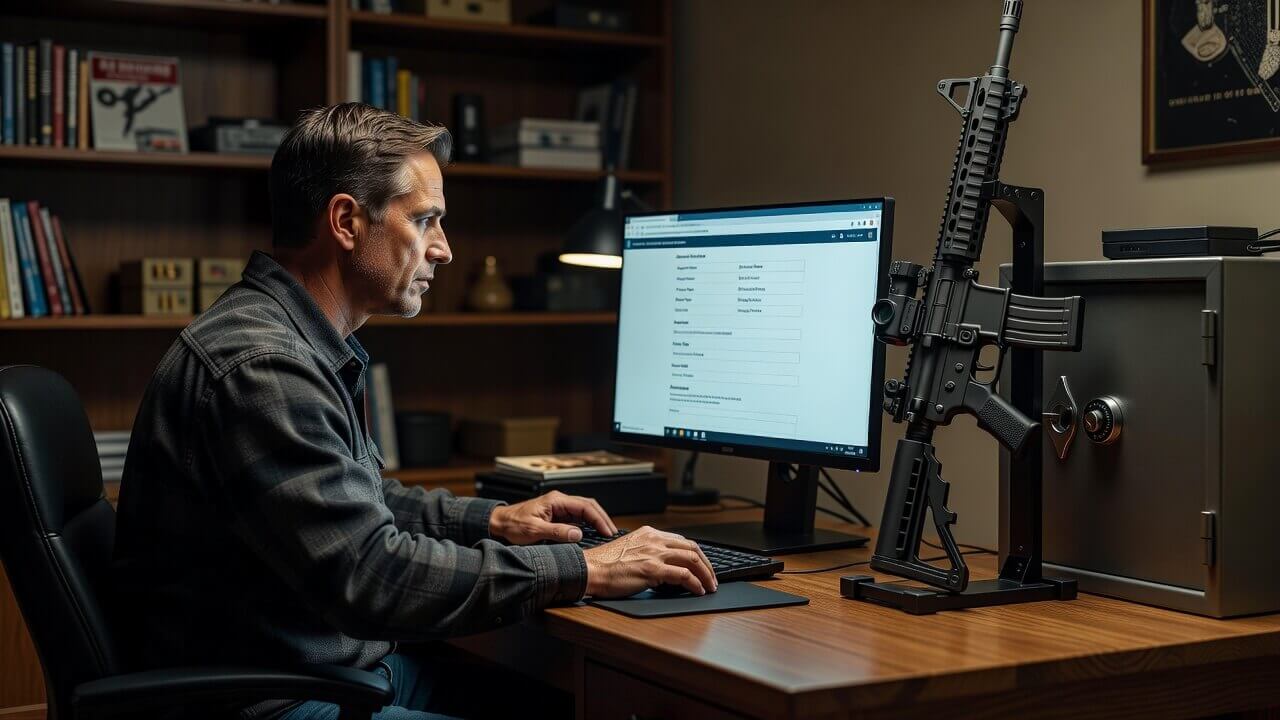
    Responsible gun owner reviewing secure background check process on computer

    As the debate moves forward, gun enthusiasts are encouraged to reach out to their representatives and voice support for these vital protections. Preserving the sanctity of private firearm ownership remains essential to maintaining a free society. This legislation represents a timely pushback against the slow creep of surveillance, ensuring that future generations can exercise their rights without fear of unwarranted digital footprints.

    Join the Fight - Second Amendment Foundation

    References

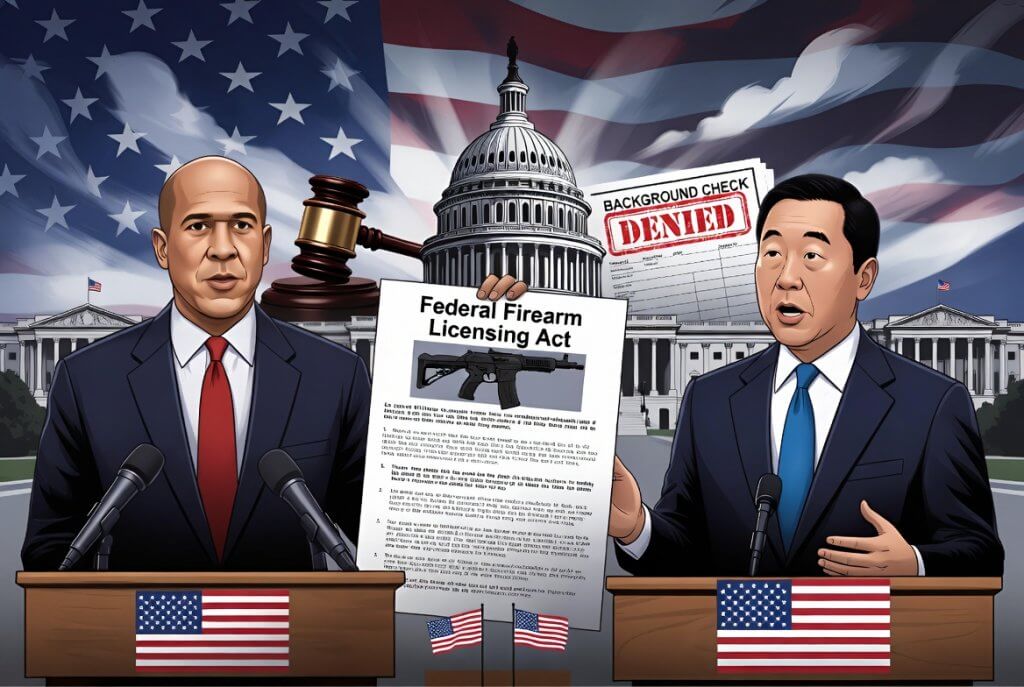
  • Senators Booker and Kim Reintroduce Federal Firearm Licensing Act Mandating Training and Renewals

    Senators Booker and Kim Reintroduce Federal Firearm Licensing Act Mandating Training and Renewals

    The latest push from New Jersey’s Democratic senators represents yet another blatant attempt to chip away at the Second Amendment under the guise of “public safety.” By reintroducing the Federal Firearm Licensing Act, they’re proposing a nationwide permission slip system that would force every law-abiding American to jump through federal hoops just to exercise a constitutional right. This isn’t about stopping criminals—it’s about creating a registry and control mechanism that burdens responsible gun owners while doing little to address actual violence.

    What’s Really in This Bill

    The legislation would require a federal license for any firearm purchase, complete with mandatory safety training that mixes written tests and live-fire components. Applicants would face expanded FBI background checks, and the license would need renewal every five years. Provisions allow for revocation if authorities decide someone “poses a risk,” a vague standard ripe for abuse. Proponents point to state examples, but those programs have consistently failed to deliver measurable drops in crime while driving up costs and wait times for honest citizens.

    Why This Approach Misses the Mark

    Real-world evidence shows that licensing schemes don’t disarm gang members or career criminals who already ignore laws. Instead, they create barriers for first-time buyers, single mothers in high-crime areas, and rural residents who rely on firearms for protection and hunting. Training mandates sound reasonable on paper, yet they ignore the millions of Americans who already pursue voluntary education through the NRA, USCCA, and local ranges—often at their own expense and initiative. Federalizing this process adds layers of bureaucracy without improving outcomes.

    History teaches us that gun control focused on owners rather than offenders simply shifts the burden onto the compliant. States with strict licensing haven’t outperformed constitutional carry states in violent crime reduction when you account for demographics and enforcement priorities. The focus should remain on prosecuting those who misuse firearms and addressing mental health failures, not erecting a national licensing infrastructure that could expand over time.

    Protecting Our Rights Moving Forward

    Americans who value the Second Amendment need to stay engaged. Contact your representatives, support organizations fighting these measures in court, and continue building skills through private training. The right to keep and bear arms isn’t a privilege granted by politicians in Washington—it’s a fundamental safeguard that licensing schemes seek to regulate into irrelevance. Responsible ownership thrives on personal responsibility, not federal permission slips renewed every five years.

    Join the Fight - Second Amendment Foundation

    References

  • Ninth Circuit Rules Silencers Not ‘Arms’ Protected by Second Amendment in United States v. DeBorba

    Ninth Circuit Rules Silencers Not ‘Arms’ Protected by Second Amendment in United States v. DeBorba

    The Ninth Circuit’s June 2026 ruling in United States v. DeBorba delivered yet another blow to law-abiding gun owners, declaring that firearm silencers fall outside the plain text of the Second Amendment. The court upheld the National Firearms Act’s registration and tax requirements as a “valid shall-issue licensing regime,” brushing aside arguments that these devices are essential components of modern firearms. For anyone who values hearing protection and practical self-defense tools, this decision feels like a deliberate attempt to chip away at our rights under the guise of regulation.

    Exterior view of the Ninth Circuit Court of Appeals building with American flag waving in the foreground

    Silencers aren’t some exotic gadget invented for covert operations. They’re sound moderators that reduce the ear-splitting blast of gunfire by 20-35 decibels, bringing the report down to safer levels comparable to a jackhammer rather than a jet engine. Hunters, sport shooters, and homeowners defending their families have used them for decades to protect their hearing without sacrificing effectiveness. The Ninth Circuit’s logic—that these devices aren’t “arms” themselves—ignores the reality that the Second Amendment protects the right to keep and bear arms in common use for lawful purposes, including the accessories that make those arms functional and safe.

    Why This Ruling Misses the Mark

    Under the Bruen framework, the government must show a historical tradition of regulating silencers to justify today’s restrictions. The court leaned heavily on the idea that silencers are mere accessories rather than arms, sidestepping the fact that suppressors have been commercially available and widely used since the early 1900s. Lawmakers in 1934 slapped the NFA on them during a wave of prohibition-era panic, not because of any founding-era precedent. This decision keeps that outdated burden in place, forcing Americans to pay a $200 tax, submit fingerprints and photos, and wait months for approval just to exercise a basic safety measure.

    Critics of the ruling point out the absurdity: the same court would likely view a red-dot sight or a magazine as protected if challenged directly, yet a device that simply makes shooting less damaging to your ears gets singled out. Shall-issue permitting sounds reasonable on paper, but the NFA process creates de facto barriers, especially for those in rural areas or with busy lives who can’t navigate endless bureaucracy.

    Protecting Our Hearing and Our Rights

    Pro-2A advocates have long argued that forcing people to shoot unsuppressed increases permanent hearing damage, a problem that affects veterans, competitive shooters, and new gun owners alike. European countries treat suppressors as standard safety equipment with minimal restrictions, and crime rates haven’t skyrocketed because of it. Here at home, the Ninth Circuit’s stance only fuels the narrative that any improvement to firearms technology deserves extra scrutiny.

    Close-up of a high-quality suppressor mounted on an AR-15 platform at an outdoor shooting range

    The fight doesn’t end with this opinion. DeBorba was a facial challenge, leaving room for as-applied cases and potential Supreme Court review. States within the Ninth Circuit should consider legislation to ease NFA compliance or challenge the tax stamp requirement head-on. Gun owners everywhere need to stay engaged—contact your representatives, support organizations litigating these issues, and keep demonstrating that responsible ownership includes using every tool available to shoot safely and effectively.

    Decisions like this remind us that the Second Amendment isn’t just about the gun in your safe. It’s about the full ecosystem of accessories that make that right meaningful. Silencers deserve the same protection as the firearms they enhance, and the Ninth Circuit’s refusal to acknowledge that is a setback we can’t afford to accept.

    Join the Fight - Second Amendment Foundation

    References

  • NSSF Praises SHOT Act Introduction to Curb Frivolous Public Nuisance Lawsuits Against Firearm Industry

    NSSF Praises SHOT Act Introduction to Curb Frivolous Public Nuisance Lawsuits Against Firearm Industry

    In a major win for the firearms industry and law-abiding gun owners everywhere, the National Shooting Sports Foundation has thrown its full support behind the newly introduced Stopping Harmful and Outrageous Torts (SHOT) Act. This critical legislation, S. 4775, targets the wave of frivolous public nuisance lawsuits that have long served as a backdoor assault on Second Amendment rights.

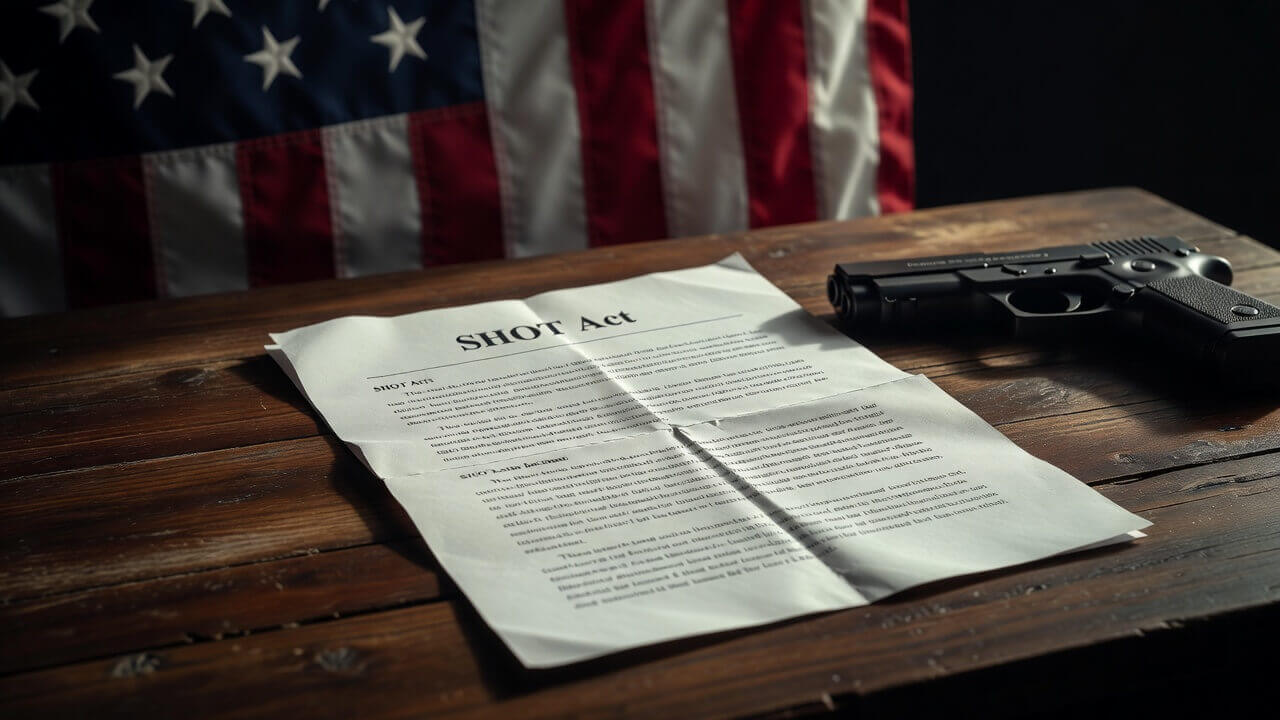
    Close-up of the SHOT Act bill document on a wooden desk with American flag in background

    These lawsuits aren’t about public safety—they’re calculated attempts to bleed manufacturers and dealers dry through endless litigation. By shielding the industry from baseless claims that treat legal firearm sales like some kind of neighborhood nuisance, the SHOT Act slams the door on activist attorneys and anti-gun politicians looking to bankrupt companies that simply follow the law.

    Why This Matters for Every American Gun Owner

    Firearm manufacturers aren’t the only ones under fire. When these nuisance suits succeed in draining resources, the ripple effects hit every shooter, hunter, and self-defense advocate in the country. Higher costs, reduced innovation, and fewer options on the shelf all stem from the same legal harassment the SHOT Act aims to stop cold.

    The NSSF’s endorsement highlights how this bill restores balance. It protects businesses that employ thousands of Americans and supply the tools millions rely on for sport, protection, and heritage. Without this safeguard, the industry remains a sitting target for those who can’t win at the ballot box and instead turn to the courtroom.

    Standing Up Against Legal Overreach

    Pro-2A voices have watched this pattern for years: file enough lawsuits, force settlements, and slowly choke off the supply of firearms and ammunition. The SHOT Act cuts through that nonsense by making clear that lawful commerce in firearms doesn’t qualify as a public nuisance. It’s a straightforward defense of due process and the right to keep and bear arms.

    Supporters of the bill understand that protecting the industry is the same as protecting the people who use its products responsibly. This isn’t about shielding bad actors—it’s about stopping the weaponization of the legal system against an entire constitutional right.

    With the SHOT Act gaining traction, the message is clear: the days of easy, politically motivated lawsuits against the firearms sector are numbered. Law-abiding Americans deserve an industry free to innovate and serve without constant legal sabotage.

    Join the Fight - Second Amendment Foundation

    References

  • Colorado Enacts Strict Vehicle Firearm Storage Requirements Effective 2025

    Colorado Enacts Strict Vehicle Firearm Storage Requirements Effective 2025

    As 2025 approaches, Colorado gun owners are facing yet another layer of restrictions that directly target how responsible citizens secure their firearms in everyday situations. The new rules demand that any firearm left in an unoccupied vehicle must be locked inside a hard-sided container that’s completely out of sight. This isn’t about common-sense safety—it’s about adding friction to the exercise of our Second Amendment rights.

    Illustration of a locked hard-sided firearm case placed out of view inside a vehicle trunk

    Think about the practical reality for millions of Coloradans who carry daily for self-defense. Whether you’re heading into a restricted area, stopping for groceries, or traveling through the state, this law forces extra steps that could cost precious seconds in an emergency. Law-abiding citizens already go to great lengths to secure their firearms; these mandates treat them like the problem rather than the criminals who ignore every law on the books.

    Training Mandates Compound the Burden

    Alongside the storage rules, Colorado has layered on expanded concealed carry training requirements. What used to be straightforward instruction now demands additional hours and costs, creating barriers for new carriers and busy professionals alike. Pro-2A advocates see this for what it is: a slow squeeze designed to discourage lawful carry without ever addressing the root causes of violent crime.

    These measures arrive as part of a broader package of 2025 gun control efforts that ignore data showing shall-issue permitting and vehicle carry have not led to spikes in misuse. Instead, they punish the very people who follow every rule—hunters, competitive shooters, and everyday defenders who rely on quick access when seconds count.

    Why This Matters for Gun Owners

    Vehicle storage is a lifeline for many who transport firearms between home, range, and work. Hard-sided locked containers hidden from view sound simple until you’re dealing with daily life in a state with vast rural areas and unpredictable weather. The law effectively turns routine travel into a compliance exercise that risks accidental violations for those who forget even one detail.

    Colorado’s approach stands in stark contrast to states that respect constitutional carry and practical self-defense needs. Gun owners here are being asked to accept reduced readiness in the name of policies that won’t stop determined criminals. The message from the legislature is clear: your rights come with new strings attached every legislative session.

    Staying informed and organized is now more important than ever. Keep detailed records of your storage methods, review your carry habits, and connect with local 2A groups pushing back against these restrictions. The right to keep and bear arms doesn’t end at the vehicle door—it just got more complicated in Colorado.

    Join the Fight - Second Amendment Foundation

    References

  • Third Circuit En Banc Panel Hears Arguments on New Jersey Sensitive Places Carry Restrictions and Rights Restoration

    Third Circuit En Banc Panel Hears Arguments on New Jersey Sensitive Places Carry Restrictions and Rights Restoration

    The battle for constitutional carry rights took center stage last week as an en banc panel of the Third Circuit Court of Appeals heard oral arguments in a pair of closely watched New Jersey cases. At stake are sweeping state restrictions that label everything from public parks and libraries to zoos and museums as off-limits to law-abiding gun owners, along with murky processes for restoring Second Amendment rights after minor legal troubles. These challenges, rooted in the Supreme Court’s Bruen framework, could reshape how states across the circuit—and potentially the nation—define “sensitive places” and who qualifies as a rights-bearing citizen.
    En banc Third Circuit courtroom with judges listening to arguments on New Jersey gun restrictions
    New Jersey’s sensitive-places regime goes far beyond the narrow historical exceptions the Supreme Court recognized in Bruen. Plaintiffs rightly pointed out that colonial-era laws never banned firearms in ordinary public parks or community libraries—places millions of Americans visit daily without incident. Instead, the state’s list functions as a de facto gun-free zone map that disarms permit holders in areas where self-defense needs are real and documented. Judges on the panel pressed state attorneys on historical analogues, exposing the thin record supporting such broad prohibitions.

    The rights-restoration component adds another layer of urgency. Several plaintiffs seek to regain their ability to carry after old, non-violent issues that no longer justify permanent disarmament under any historical tradition. The arguments highlighted how New Jersey’s opaque administrative hurdles effectively create a lifetime ban for some, contradicting the individual-rights understanding affirmed in Heller and Bruen. A favorable ruling here would reinforce that the Second Amendment isn’t a privilege granted by bureaucrats but a fundamental protection that states cannot casually strip away.

    Observers noted the panel’s skepticism toward the state’s expansive claims, with several judges questioning whether New Jersey’s approach aligns with the nation’s founding-era understanding of the right to bear arms. Whatever the outcome, the decision will likely influence similar litigation in Pennsylvania and Delaware while sending a clear signal to other anti-gun states eyeing broad “sensitive places” schemes. For Garden State gun owners and supporters nationwide, these arguments represent another front in the ongoing fight to keep the Second Amendment meaningful in practice, not just on paper. Stay engaged—your rights depend on it.

    Join the Fight - Second Amendment Foundation

    References