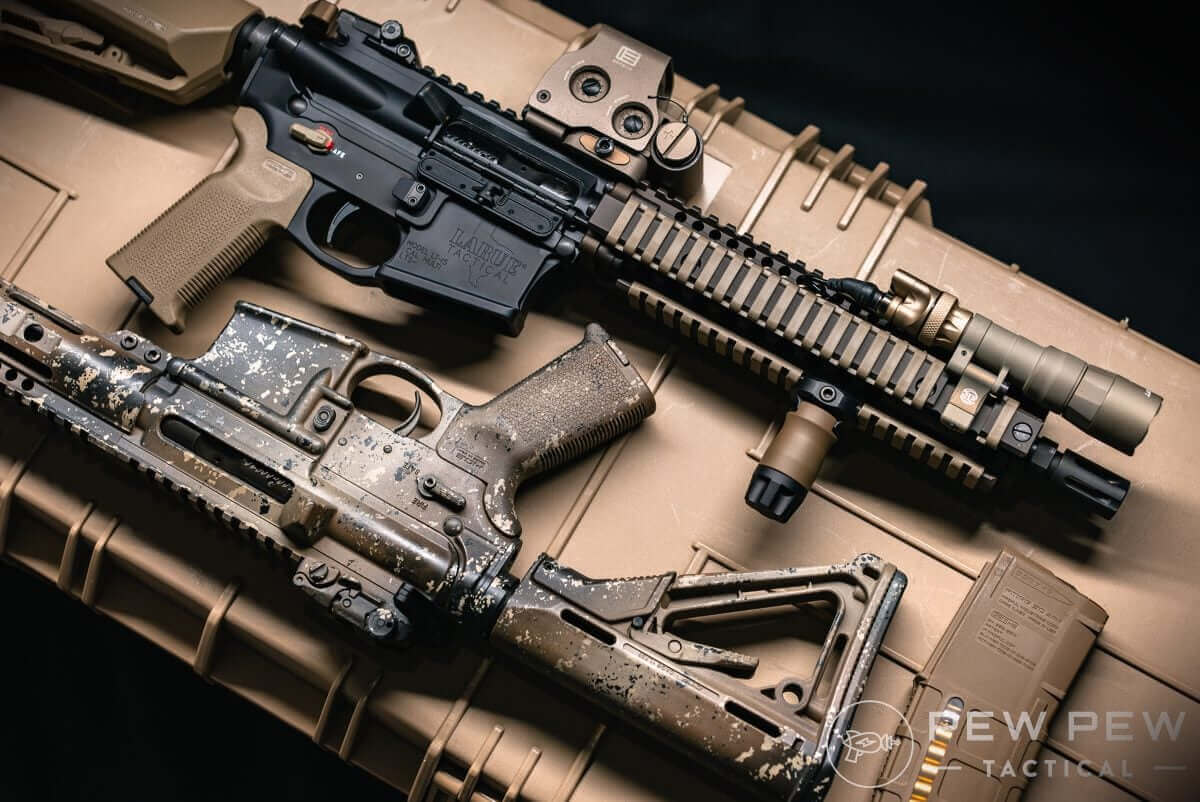
Virginia gun owners are staring down the barrel of yet another government overreach as a new law banning the future sale, manufacture, and transfer of many semi-automatic firearms and magazines holding more than 15 rounds takes effect July 1, 2026. Marketed as a public-safety measure, the legislation does nothing to address criminals who already ignore existing laws while stripping law-abiding citizens of their constitutional rights.
The measure has already triggered multiple lawsuits from the NRA and other gun-rights groups, arguing clear violations of the Second Amendment. These challenges highlight how the ban targets common, popular firearms used for self-defense, sport shooting, and hunting—exactly the kind of arms the Founders sought to protect. Courts will now decide whether Virginia can simply erase a century of legal precedent with the stroke of a pen.
Why This Ban Misses the Mark
Proponents claim the law will reduce mass shootings, yet history shows that determined criminals simply obtain firearms through illegal channels or use whatever tools remain available. Meanwhile, responsible Virginians who purchased their firearms legally now face arbitrary restrictions on future transfers, effectively freezing the market and punishing the very people who follow the rules. This is classic infringement dressed up as compromise.
Division among owners is real, but the core truth unites most: once government decides which semi-autos are acceptable today, nothing stops them from expanding the list tomorrow. Magazine capacity limits have already proven ineffective in states that tried them first, with no measurable drop in violent crime rates.
Next Steps for Virginia Gun Owners
The lawsuits represent the first line of defense, but sustained grassroots pressure remains essential. Contact your legislators, support the organizations fighting these cases in court, and make your voice heard at the ballot box. Virginia has a proud tradition of resisting tyranny—now is the time to uphold it.
Stay informed, stay armed, and never let politicians redefine what “shall not be infringed” actually means.
This is a game-changer for law-abiding gun owners across America. After nearly a century of restrictions that treated handguns like contraband, the U.S. Postal Service is finally proposing rules that restore our ability to ship unloaded pistols through the mail just like long guns. The move flows directly from a January 2026 Department of Justice opinion that correctly identified the old federal handgun mailing ban as unconstitutional when applied to protected arms.
For decades, the 1927-era prohibition forced responsible Americans into cumbersome workarounds just to exercise basic rights of ownership and transfer. Now, under the new interpretation, handguns can move intrastate and in approved interstate shipments when unloaded and properly packaged. This levels the playing field and recognizes that pistols deserve the same practical treatment as rifles and shotguns.
Why This Matters for Everyday Carriers and Collectors
Think about the practical impact. A law-abiding citizen in one state who finds the perfect carry pistol from a seller in another can now complete the transaction more efficiently and affordably. Families relocating across the country no longer face extra hurdles when moving their defensive firearms. Small businesses and FFLs gain flexibility without compromising safety or compliance. These are the quiet victories that strengthen the Second Amendment in daily life.
Public Comments Open – Make Your Voice Heard
The proposed rulemaking is open for input until mid-June 2026. Supporters should flood the comment period with clear, fact-based messages emphasizing constitutional carry rights, the right to acquire arms, and the need for consistent treatment of all protected firearms. Every well-reasoned submission helps lock in this progress and discourages future bureaucratic backsliding.
This development signals a broader return to originalist readings of our founding documents. When the government stops inventing obstacles that have no basis in the text, history, or tradition of the Second Amendment, individual liberty expands. Gun owners who have waited generations for this kind of relief should view the USPS proposal as both a win and a reminder to stay engaged. The right to keep and bear arms includes the practical ability to acquire and transport those arms, and this rule moves us one step closer to that reality nationwide.
In a move that has sent shockwaves through the firearms community, Colorado Governor Jared Polis has officially signed HB 1144 into law, effectively criminalizing the use of 3D printers and CNC machines to produce firearms, frames, receivers, and components. Set to take effect on July 1, 2026, this legislation represents yet another blatant attempt to chip away at the fundamental right of Americans to keep and bear arms—starting right in the workshop where many law-abiding citizens exercise their self-reliance.
For generations, Americans have built their own firearms at home without government interference. From colonial blacksmiths forging muskets to today’s hobbyists refining precision parts on their kitchen tables, home manufacturing has always been a cornerstone of our independence. HB 1144 flips that tradition on its head by targeting emerging technologies like 3D printing, which democratizes access to firearms for responsible citizens who live far from big-box stores or need custom solutions for competition, hunting, or personal defense.
Why This Ban Misses the Mark
Proponents of the law claim it’s about public safety, but the reality is far more troubling. This measure doesn’t stop criminals—who already ignore existing laws—from acquiring guns through illegal channels. Instead, it punishes innovators, tinkerers, and everyday patriots who value the ability to create and maintain their own firearms. The NRA-ILA has rightly called out this overreach, highlighting how it infringes on Second Amendment protections and the long-standing tradition of home gunsmithing that predates modern manufacturing.
Think about it: If the government can ban 3D-printed receivers today, what’s next? Restricting hand tools? Requiring licenses for milling machines? This isn’t progress—it’s a slow erosion of liberty that treats law-abiding gun owners like potential threats rather than the backbone of a free society.
Standing Strong for Innovation and Rights
3D printing and computer-controlled tools have opened incredible doors for the firearms world. They allow for rapid prototyping, lightweight designs, and personalized grips that improve accuracy and comfort for shooters of all abilities. Banning these advancements doesn’t make anyone safer; it simply hands more power to the state while stifling the very ingenuity that has kept American manufacturing ahead of the curve.
As we head toward that July 2026 effective date, now is the time for Coloradans and Second Amendment supporters nationwide to push back. Reach out to your representatives, support legal challenges through groups like the NRA-ILA, and keep building, training, and advocating. Our rights don’t come from politicians—they’re endowed by our Creator and secured by an armed populace that refuses to be disarmed by bureaucracy.
Stay vigilant, stay informed, and remember: the right to manufacture and possess arms is as American as the mountains of Colorado themselves.
In a groundbreaking legal assault on one of the oldest federal gun control measures in American history, major Second Amendment organizations have joined forces to challenge the core provisions of the 1934 National Firearms Act. This lawsuit arrives at a pivotal moment, riding the momentum of the Supreme Court’s Bruen decision and demanding that courts recognize how registration schemes, taxes, and outright restrictions on common firearms accessories simply cannot survive constitutional scrutiny today.
The plaintiffs argue that the NFA’s heavy-handed requirements for short-barreled rifles, short-barreled shotguns, and suppressors amount to an unconstitutional burden on the right to keep and bear arms. Rather than treating these items as dangerous oddities from the gangster era, the filing points out that they are ordinary, commonly used tools for self-defense, sport shooting, and hearing protection. Post-Bruen, any law regulating arms must align with the nation’s historical tradition—and the NFA’s 90-year-old framework fails that test spectacularly.
The coalition behind this effort includes the National Rifle Association, the American Suppressor Association, the Second Amendment Foundation, and the Firearms Policy Coalition, along with individual plaintiffs who have faced the full weight of NFA compliance. Their complaint seeks both declaratory relief to declare key sections unconstitutional and injunctive relief to halt enforcement of the registration, taxation, and transfer restrictions. This isn’t a narrow technical challenge—it’s a direct strike at the heart of a law that has long treated peaceable citizens like potential criminals for wanting to own a suppressor or a properly configured rifle.
Critics of the NFA have long noted how its $200 tax stamp—unchanged since the Great Depression—functions more as a barrier to entry than any meaningful public safety measure. Suppressors, for example, reduce noise pollution and protect hearing without turning firearms into silent assassins as Hollywood would have us believe. Short-barreled firearms offer maneuverability advantages in home defense scenarios, yet the NFA forces owners through a months-long bureaucratic maze complete with fingerprints, photos, and local law enforcement notification. The Bruen framework makes clear that such hurdles lack historical analogues from the Founding era, when Americans freely possessed and modified their arms.
This lawsuit represents more than legal maneuvering. It signals a renewed commitment to rolling back New Deal-era restrictions that have lingered far too long in the shadows of the Second Amendment. If successful, it could open the door for millions of Americans to exercise their rights without government permission slips or punitive taxes. Supporters across the pro-2A community are watching closely, recognizing that victories like this build on the momentum from recent Supreme Court wins and state-level reforms.
As the case moves forward in federal court, it serves as a powerful reminder that constitutional rights aren’t privileges granted by bureaucrats—they are inherent protections that demand vigilant defense. The fight against the NFA’s outdated framework is just beginning, and this coalition is bringing serious firepower to the battle.
In a surprising turn of events during a recent federal court hearing, a prominent blue state found its defense of draconian ammunition restrictions crumbling under scrutiny. Lawmakers had pushed hard for mandatory serialization of every round and strict purchase caps, claiming these measures would curb crime. Instead, the proceedings exposed shaky legal footing that could pave the way for a stronger Second Amendment victory.
Cracks in the State’s Case
Attorneys for the state struggled to justify how tracking every bullet or limiting how many rounds law-abiding citizens can buy aligns with the Constitution. The court pressed hard on whether these rules even serve a compelling interest without violating the right to keep and bear arms. Judges noted that similar restrictions have already faced pushback in other jurisdictions, especially after landmark rulings emphasizing historical traditions over modern policy preferences.
Why Serialization and Limits Miss the Mark
Ammunition serialization sounds high-tech on paper, but it burdens manufacturers, retailers, and shooters alike with unnecessary costs and red tape. Purchase limits do even less to stop criminals, who ignore laws anyway, while creating headaches for sportsmen, competitors, and families protecting their homes. Responsible gun owners see these rules for what they are: incremental steps toward disarming the public under the guise of safety.
Second Amendment Momentum Builds
This hearing signals that courts are increasingly unwilling to rubber-stamp anti-gun policies without real evidence. As litigation continues, expect more challenges to pop up across the country. Gun owners remain vigilant, knowing that every legal setback for overreaching states strengthens the foundation of our fundamental rights. The fight isn’t over, but moments like these prove the Constitution still has teeth when defended vigorously.
Gun owners and firearm dealers alike are breathing a collective sigh of relief as the ATF rolls out an ambitious 2026 reform initiative designed to cut through years of regulatory red tape. This sweeping package emphasizes transparency, eliminates outdated restrictions, and simplifies compliance for everyone from weekend hobbyists to professional FFL holders. After decades of expanding rules that often felt more punitive than protective, these changes signal a genuine shift toward respecting the Second Amendment while still maintaining public safety.
Among the most celebrated updates is the streamlined application process for Federal Firearms Licenses. Dealers will now enjoy faster background checks, reduced paperwork duplication, and clearer guidelines that replace vague legacy interpretations. No longer will small business owners waste countless hours navigating contradictory instructions that previously delayed approvals for months. The new digital portal promises real-time status updates and direct communication channels with ATF reviewers, turning what used to be a frustrating black hole into a transparent, efficient system.
For everyday gun owners, the reforms bring welcome relief on multiple fronts. Legacy rules surrounding certain accessories and configurations have been rolled back, allowing individuals to exercise their rights without fear of retroactive enforcement on previously legal items. Enhanced transparency measures mean the ATF must now publish detailed explanations for any future rule changes, giving citizens and industry groups a real seat at the table instead of surprises dropped without warning.
These updates also include simplified transfer processes between states and clearer guidance on interstate travel with firearms. Law-abiding citizens who move or vacation with their guns will face fewer bureaucratic hurdles, reducing the risk of accidental violations that once carried severe penalties. The emphasis on education over punishment represents a refreshing change in tone from an agency long criticized for heavy-handed tactics.
Industry analysts are already projecting strong economic benefits. With lower compliance costs, dealers can focus resources on customer service and inventory rather than endless paperwork. This should translate to better prices and availability for consumers while encouraging more people to enter the firearms market legally. The reforms also encourage voluntary compliance programs that reward responsible dealers with expedited reviews and reduced inspection frequency.
Critics who claimed the ATF could never reform itself have been proven wrong by this bold initiative. By prioritizing clarity and efficiency, the agency is acknowledging that overregulation only punishes the law-abiding while doing little to deter criminals. Gun owners who have long advocated for such changes can finally point to real progress in restoring balance to federal firearms policy.
As these reforms take effect throughout 2026, the message is clear: responsible Second Amendment exercise is once again being treated as a fundamental right rather than a privilege granted by bureaucrats. The road ahead looks brighter for everyone who values freedom, self-defense, and a government that works with citizens instead of against them.
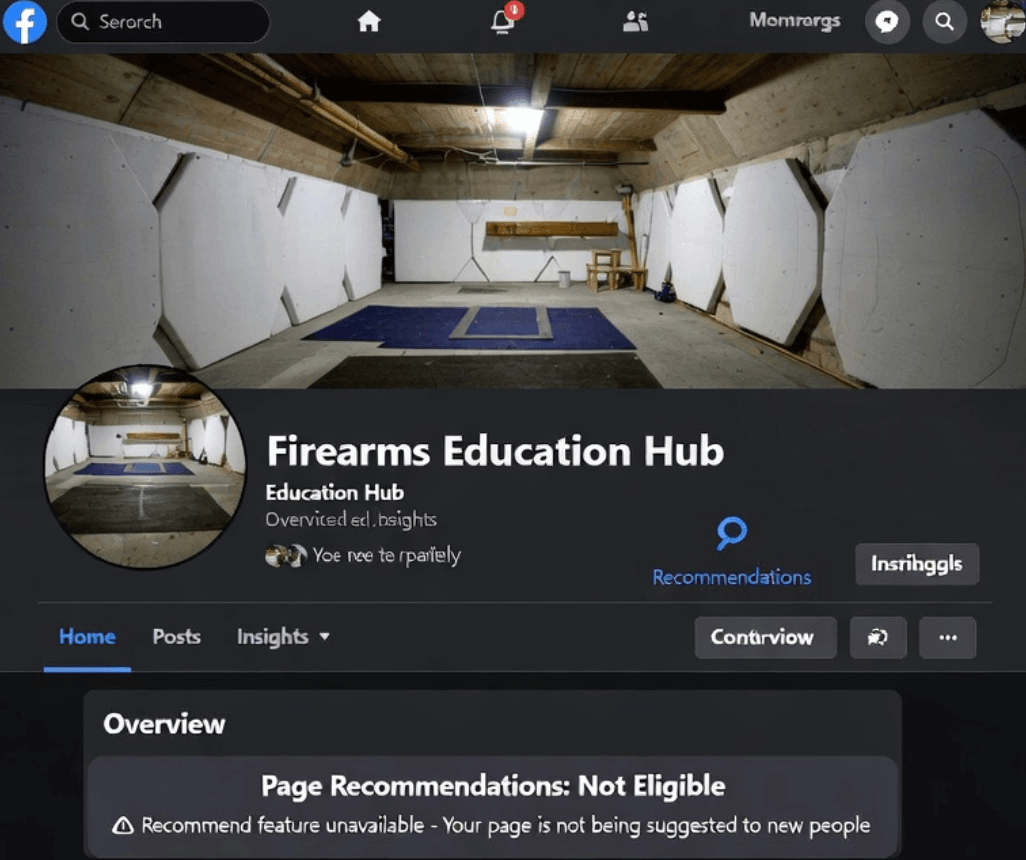
In a move that feels all too familiar, Facebook has quietly rolled out sweeping 2026 policy updates targeting firearms-related pages. These changes yank away the “Recommend” button for countless compliant pages, slamming the brakes on algorithmic reach to anyone outside a page’s existing followers. For Second Amendment advocates and content creators who play by every rule, this isn’t moderation—it’s deliberate isolation designed to choke off community growth.
The impact hits hard. Lawful pages sharing everything from safe handling tutorials to state-level legislative updates now find themselves trapped in echo chambers. New gun owners searching for responsible information won’t see these resources in their feeds. Established creators who’ve built audiences through consistent, policy-abiding content watch their discovery metrics tank overnight. Facebook claims these tweaks improve user experience, yet the pattern remains clear: content celebrating constitutional rights faces roadblocks that lifestyle or hobby pages never encounter.
This latest restriction joins a long list of Big Tech maneuvers that treat the Second Amendment like a liability rather than a protected liberty. Firearms pages that emphasize training, legal compliance, and responsible ownership still get penalized simply for existing in the space. Meanwhile, anti-gun narratives and unrelated topics continue flooding recommendations without similar friction. The result? A shrinking digital public square where pro-2A voices struggle to reach the very people who need accurate information most.
Gun owners have seen this playbook before. Each policy tweak pushes creators toward alternative platforms that actually value open discourse. Many are already doubling down on direct email lists, independent forums, and decentralized networks that can’t be throttled by a single corporation’s whims. The lesson is straightforward: reliance on any one gatekeeper risks exactly this kind of slow squeeze on community building.
If you’re running or following a firearms page, now is the time to diversify. Cross-post key content elsewhere, encourage followers to join off-platform groups, and keep producing the high-quality material that strengthens our culture of responsible gun ownership. Facebook may limit recommendations, but it can’t erase the facts or the fundamental right to bear arms. The fight for visibility continues—and so does the commitment to an informed, armed citizenry.
Big wins are stacking up in the Keystone State! Pennsylvania gun owners just got a massive boost as the Senate pushes forward two powerhouse bills that scream Second Amendment freedom. On May 6, 2026, the Senate Judiciary Committee voted 9-5 to advance SB 357, paving the way for constitutional carry. And in an even bigger slam dunk, the full Senate passed SB 822 by a 30-20 margin, supercharging the state’s firearms preemption law. These aren’t just bills—they’re battle-tested victories against the gun-grabbers.
Pennsylvania State Senate chamber with pro-gun bills SB 357 and SB 822 on agenda, symbolizing victory for Second Amendment rights (via nraila.org)
SB 357: Constitutional Carry Finally Comes to PA
Imagine this: No more jumping through hoops for a permit just to exercise your God-given right to defend yourself. SB 357 would establish constitutional carry in Pennsylvania, allowing law-abiding adults to concealed carry without government permission—for self-defense purposes only. Existing permits? Totally unaffected, so LTC holders keep all their reciprocity perks for travel.
The Judiciary Committee’s 9-5 vote is a clear signal that Pennsylvania is ready to join 29 other states (and counting) in ditching permit tyranny. Sponsored by Sen. Doug Mastriano and a coalition of pro-2A warriors, this bill recognizes what the Supreme Court affirmed in Bruen: The Second Amendment doesn’t come with a permission slip.
Law-abiding citizens 21+ can carry concealed without a permit.
No impact on open carry or existing license holders.
Focuses solely on self-defense—because freedom isn’t free.
Now it’s headed to the full Senate floor. Pennsylvania, your voices made this happen—keep the pressure on!
SB 822: Crushing Local Gun Control Overreach
Local politicians love playing dictator with your rights, passing feel-good bans that get smacked down in court later. Enter SB 822, the preemption enforcer. This bill passed the full Senate 30-20 and empowers membership organizations—like the NRA, GOA, or Firearms Policy Coalition—to recover attorney fees and costs when they sue localities violating Pennsylvania’s uniform firearms laws.
No more taxpayer-funded virtue signaling. If Pittsburgh or Philly tries another magazine ban or “assault weapons” stunt, pro-2A groups can hit back and get reimbursed. It’s a financial deterrent that keeps anti-gun mayors up at night. Preemption has been PA law since 1996, but SB 822 adds teeth—real, chomping accountability.
“This levels the playing field and ensures uniform statewide standards,” said bill sponsor Sen. Cris Dush. Damn right.
What This Means for Pennsylvania Gun Owners
These bills aren’t abstract policy—they’re your shield against threats in a world that’s increasingly hostile to self-reliance. Constitutional carry means everyday Pennsylvanians can protect their families without red tape. Stronger preemption stops the patchwork of local nonsense that confuses carriers and wastes court time.
But don’t pop the champagne yet. SB 357 needs full Senate approval and House action. SB 822 heads to the House next. With Gov. Shapiro’s veto pen lurking, we need overrides or better yet, a pro-2A governor in 2026.
Take Action Now!
Hit up your state reps and senators. Tell them: Pass SB 357 NOW. Support SB 822 in the House. Use PA’s legislative site to find contacts. Join GOA, NRA, or PFSA for the fight.
Pennsylvania is on the cusp of true 2A freedom. Let’s finish strong—because the right to keep and bear arms isn’t negotiable.
Stay armed, stay informed. Follow GunStuff.tv for more 2A updates.
In the heart of one of America’s most gun-hostile states, a beacon of hope is rising for Second Amendment defenders. Massachusetts voters are gearing up for a pivotal showdown on November 3, 2026, when they’ll have the power to strike down the tyrannical 2024 gun control law through a hard-fought veto referendum. This isn’t just another ballot measure—it’s a direct assault on the overreach that’s strangling law-abiding gun owners and a golden opportunity to reclaim our constitutional rights.
The Nightmare of 2024’s Assault on the Second Amendment
Let’s rewind to 2024, when anti-gun zealots in the Massachusetts legislature rammed through a sweeping package of restrictions that would make even the most authoritarian regimes blush. We’re talking outright bans on so-called “assault-style weapons”—you know, the semi-automatic rifles that are the most popular firearms in America for self-defense, hunting, and sport. These aren’t machine guns; they’re tools for responsible citizens.
But it gets worse. The law mandates electronic registration of firearms, turning every gun owner into a government-tracked suspect. Add in expanded “red flag” laws ripe for abuse, ghost gun bans that ignore actual criminals, and a laundry list of other nanny-state nonsense, and you’ve got a recipe for disaster. This isn’t safety—it’s surveillance. History shows registration leads to confiscation, from Nazi Germany to modern-day New York City.
Pro-gun groups like Gun Owners’ Action League and the NRA-ILA didn’t sit idle. They gathered tens of thousands of signatures to force this veto referendum, proving that the people have had enough of Beacon Hill’s elitist edicts.
Why This Fight Matters to Every Patriot
Massachusetts isn’t some isolated island—it’s ground zero in the national battle for our rights. If Bay Staters can roll back these infringements, it sends a thunderous message to every blue-state politician plotting the next ban. These laws don’t stop criminals; they disarm the good guys. FBI data consistently shows that rifles of any kind are used in a tiny fraction of crimes—meanwhile, criminals don’t obey laws, they steal guns or buy them on the black market.
Think about it: In a state already buried under licensing hurdles, waiting periods, and ammo limits, this 2024 law piles on more. Women defending themselves at home? Veterans protecting their families? Hunters feeding their kin? All targeted. And for what? Feel-good politics that leave us defenseless against real threats.
Ban on “assault weapons”: Criminalizes millions of commonly owned firearms overnight.
Electronic registration: Big Brother’s database dream, primed for future seizures.
Red flag expansions: Due process? What’s that? Ex-parte orders strip rights without a fair hearing.
The safety advocates love to trot out emotional anecdotes, but where’s the data? Places with strict laws like Massachusetts still see violent crime—Chicago and California prove “more laws, less crime” is a myth.
Your Role in the 2026 Revolution
If you’re in Massachusetts, this is your Alamo. Register to vote, talk to your neighbors, and show up on November 3, 2026, to vote YES on repealing this garbage. Donate to the campaign, volunteer, or spread the word—every voice counts. Out-of-staters, chip in support; victories here ripple nationwide.
We’ve seen it before: Voters in Maine and Nevada crushed Question 3-style nonsense. Missouri’s recent rulings gutted registration schemes. Momentum is on our side. The Second Amendment isn’t a suggestion—it’s the supreme law of the land, and no statehouse hack can rewrite it.
Come 2026, let’s make Massachusetts the next domino to fall for freedom. The eyes of the nation are watching. Gear up, stand tall, and let’s send these anti-gunners packing. Your rights depend on it.
Stay locked and loaded with GunStuff.tv for more 2A updates. Share this if you’re ready to fight!
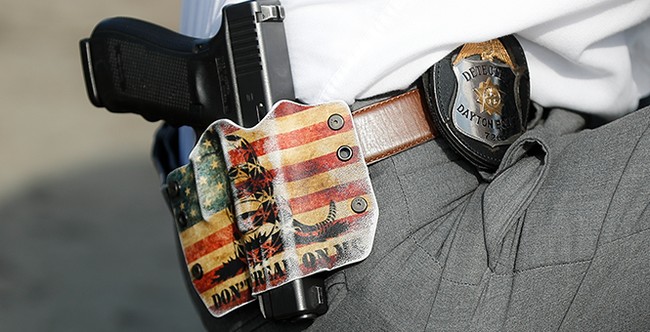
In a decision that’s equal parts eye-opening and infuriating, a New Jersey appellate court just handed police officers a golden ticket to puff off-duty while keeping their service pistols. That’s right—cops in the Garden State can legally use cannabis on their own time, thanks to state legalization, and still carry department-issued firearms without running afoul of federal gun laws. But here’s the kicker: everyday civilians? Forget about it. This ruling shines a blinding spotlight on the blatant double standard baked into our gun control regime, and it’s a wake-up call for every Second Amendment supporter.
The Case That Exposes the Hypocrisy
It all stems from a trio of police officers in New Jersey who got busted for off-duty marijuana use. Despite New Jersey legalizing recreational cannabis in 2021, their department reassigned them to non-firearm roles, stripping them of their duty weapons. The officers fought back, arguing that state law protects their private behavior, and a state superior court initially sided with them.
The department appealed, claiming federal law under the Gun Control Act of 1968 prohibits “unlawful users” of controlled substances—like marijuana, still federally illegal—from possessing firearms. But the appellate division wasn’t buying it. In a ruling issued late last year (and gaining traction now), the court ordered the officers reinstated with full firearm privileges.
Why? Enter 18 U.S.C. § 925(a)(1), a little-known federal exemption that allows the government to arm its licensed officers and employees for official duties, even if they’re otherwise prohibited. The court held that department-issued firearms qualify under this carve-out, and federal law doesn’t preempt New Jersey’s cannabis protections for off-duty conduct. In plain English: Cops get a hall pass that Joe Civilian does not.
The Federal-State Mess: Cops Win, Citizens Lose
Let’s break this down. Federally, marijuana is a Schedule I substance, and 18 U.S.C. § 922(g)(3) bars “unlawful users” from possessing guns—period. ATF Form 4473, which you fill out for every gun purchase, explicitly asks if you’re a marijuana user, and lying is a felony. States like New Jersey have legalized it, but federal supremacy means civilians risk losing their gun rights (and potentially facing charges) if they partake.
Police officers, however? That § 925(a)(1) exemption shields them when it comes to official firearms. The court emphasized these aren’t personal guns; they’re tools of the job. Off-duty weed? No problem, as long as it’s legal under state law and doesn’t impair on-duty performance.
This isn’t just a NJ quirk—it’s symptomatic of a fractured system. Over 20 states have legalized recreational marijuana, yet the feds cling to outdated prohibitions that disarm law-abiding adults. And now we see the elite exception: Law enforcement gets to have their cake (or joint) and eat it too, while the rest of us navigate a legal minefield.
Why This Screams for 2A Reform
As Second Amendment advocates, we can’t let this slide. This ruling isn’t a win for liberty—it’s a glaring reminder of how gun laws treat citizens like second-class subjects. Police unions hailed it as a victory for privacy rights, but where’s that privacy for the veteran with PTSD self-medicating legally under state law? Or the cancer patient easing chemo side effects? They lose their rifles overnight if Uncle Sam says so.
The double standard is indefensible. If states can legalize cannabis without federal interference for state actors like cops, why not extend that logic to all residents? The Gun Control Act was passed in an era when marijuana was demonized alongside heroin—science and society have moved on. Yet here we are, with rulings that codify privilege for badges but peril for the people they serve.
Pro-2A warriors, this is ammunition (pun intended). Demand Congress repeal § 922(g)(3)’s marijuana prohibition. Push the ATF to honor state-legal use, just like they selectively do for LEOs. And let’s reschedule or deschedule cannabis entirely—it’s long overdue. Until then, this NJ decision mocks the promise of equal protection under the law.
What It Means for Gun Owners Nationwide
Don’t think this is isolated. Similar challenges bubble up in California, New York, and beyond. Civilian gun owners have sued over ATF rules denying them rights for state-legal cannabis, often losing because courts defer to federal primacy. But cracks are showing: The Supreme Court could weigh in, especially post-Bruen, which demands gun laws respect historical traditions—not arbitrary carve-outs.
For now, advice to armed citizens: Tread carefully. State-legal doesn’t mean federal-safe. But use this story to fuel the fight. Share it, discuss it, contact your reps. The Second Amendment isn’t for the elite; it’s for we the people.
In the end, if cops can toke and tote under the same laws that hang over our heads, it’s time to level the playing field. Our rights aren’t negotiable based on your job title. Stay vigilant, stay armed, and keep pushing back. The tide is turning—one appellate smackdown at a time.
Follow GunStuff.tv for more hard-hitting 2A news. What do you think—fair or foul? Sound off in the comments.
In a move that’s music to the ears of Second Amendment supporters and law enforcement alike, a bipartisan group of senators has stepped up to ensure that federal officers can keep the tools they’ve trusted with their lives. Senators John Cornyn (R-TX), Jim Risch (R-ID), Mike Crapo (R-ID), and Ted Cruz (R-TX), along with their colleagues, have introduced S.4117, the Federal Law Enforcement Officer Service Weapon Purchase Act of 2026. This commonsense legislation would allow federal law enforcement officers to purchase their retired service firearms at fair market value once the agencies decommission them.
Think about it: these are the men and women who put their lives on the line every day, protecting us from threats both foreign and domestic. They’ve trained extensively with their department-issued sidearms, building muscle memory and confidence in a weapon that’s become an extension of themselves. Yet, under current policies, when those firearms are retired—still perfectly functional—they’re often destroyed or sold off to the public at large. That’s not just wasteful; it’s a disservice to the officers who relied on them and a slap in the face to taxpayers footing the bill for replacements.
Why This Bill is a Win for Officers, Taxpayers, and the Second Amendment
The Federal Law Enforcement Officer Service Weapon Purchase Act fixes this by giving qualified federal officers—those with clean records and proper credentials—the right to buy their own service weapons. Here’s the pro-2A breakdown:
Officer Safety First: Familiarity breeds proficiency. Studies show that officers perform better with weapons they’ve used extensively. Allowing them to take home their duty guns means they can continue training with the same reliable platform for personal defense.
Taxpayer Savings: No more destroying serviceable firearms, which costs agencies time and money. Selling directly to the officers at fair market value generates revenue and cuts replacement costs—real savings for Uncle Sam.
Second Amendment Uphold: This bill recognizes that law enforcement officers are among the most responsible gun owners on the planet. They’re vetted, trained, and accountable. Empowering them to exercise their constitutional rights sets a powerful example and pushes back against the gun-grabber mentality that treats all firearms as disposable.
It’s not just talk—the bill has serious backing from the Fraternal Order of Police (FOP) and the Federal Law Enforcement Officers Association (FLEOA). These organizations represent tens of thousands of officers who know firsthand the value of this reform. As FLEOA President Nathan Catura stated, “This legislation is a win-win for federal officers and taxpayers alike.”
The Problem with Current Policy: Guns Down the Memory Hole
Right now, federal agencies like the FBI, ATF, DEA, and U.S. Marshals Service retire thousands of firearms annually due to wear, policy changes, or upgrades. These guns—often high-quality 9mm pistols like Glocks, Sig Sauers, or Smith & Wesson M&Ps—are melted down or auctioned off. Officers who spent years qualifying with them? Tough luck.
This isn’t unique to feds; many local departments have similar rules. But states like Texas and Idaho—home to the bill’s lead sponsors—already allow officers to buy their duty weapons. Why shouldn’t federal officers get the same respect? Destroying these firearms doesn’t enhance public safety; it just lines the pockets of surplus dealers or wastes resources. In an era of ballooning deficits, this bill is fiscal responsibility wrapped in patriotism.
Pro-2A Momentum Building
Let’s be clear: this isn’t about arming the masses. It’s targeted relief for proven professionals. Critics might whine about “guns on the street,” but these officers already carry concealed daily. They’re not the problem—they’re the solution.
Senator Cornyn, a longtime 2A champion, highlighted the bill’s merits: “Federal law enforcement officers deserve the opportunity to purchase the firearms they’ve faithfully served with. This legislation provides that opportunity while saving taxpayer dollars.” Echoing that, Senator Risch added, “This bill ensures officers can continue using familiar equipment, enhancing their safety and readiness.”
With cosponsors like Cruz, who never misses a chance to defend gun rights, this has real legs. It’s a reminder that the Second Amendment isn’t just for civilians—it’s for all Americans, including those who serve.
Take Action: Support S.4117 Today
Gun owners, 2A patriots, and supporters of the thin blue line—this is your moment. Contact your senators and urge them to cosponsor S.4117. Share this story on social media, talk it up at the range, and remind everyone that real reform looks like this: practical, pro-freedom, and pro-officer.
The Federal Law Enforcement Officer Service Weapon Purchase Act isn’t just a bill; it’s a statement. It says we value our protectors, our rights, and our resources. Let’s get it across the finish line.
Hold onto your magazines, patriots—there’s a seismic shift brewing in the world of Second Amendment law that could shatter assault weapons bans coast to coast. In a stunning admission buried in a recent Department of Justice filing, the feds have essentially handed gun owners a golden ticket to nationwide AR-15 legalization. This isn’t just legalese smoke; it’s a signal that the Supreme Court might finally deliver the Bruen-sized smackdown these unconstitutional restrictions deserve.
The Filing That Changed Everything
At the heart of this drama is the ongoing battle in Bianchi v. Frosh, a Fifth Circuit challenge to Maryland’s draconian assault weapons ban. But the real fireworks came in the DOJ’s opposition brief to a cert petition in a related high-profile case. There, buried in the government’s own words, they conceded that semi-automatic rifles like the AR-15 are “bearable arms” squarely protected by the Second Amendment. No more dodging with “military-style” nonsense—the DOJ admits these are the modern equivalent of the muskets our Founders enshrined.
This isn’t some rogue lawyer’s slip-up. It’s a calculated pivot, likely previewing the Biden-Harris DOJ’s weak-kneed defense if SCOTUS takes up the issue. As the brief notes, outright bans on “commonly used rifles” fail the post-Bruen history-and-tradition test. Translation: States like California, New York, Illinois, and Maryland are on borrowed time.
“The Government does not dispute that semiautomatic rifles are ‘in common use’ today for lawful purposes like self-defense.” — DOJ Filing Excerpt
That’s right—they’re waving the white flag on the “assault weapon” hysteria. Over 20 million AR-15s and similar rifles are in circulation, making them America’s most popular firearm. Banning them isn’t public safety; it’s political theater.
Why AR-15 Bans Are Doomed
Post-New York State Rifle & Pistol Association v. Bruen (2022), courts must judge gun laws by their historical analogues from 1791 or 1868. Guess what? There were no “assault weapon” bans then because semi-autos didn’t exist—yet the principle holds: Governments can’t ban arms in common use for lawful purposes. Lower courts have already started crumbling:
5th Circuit: Struck down ATF’s pistol brace rule, signaling skepticism of feature-based bans.
7th Circuit: Questioned Illinois’ ban in oral arguments.
Multiple Districts: Injunctions piling up against state AWBs.
The DOJ’s filing tips the scales. If SCOTUS grants cert—and insiders say it’s likely—we’re looking at a ruling that eviscerates bans in at least 10 states, freeing millions to exercise their God-given right without Big Brother’s permission slip.
What This Means for You
Picture this: No more mag dumps in the safe because your state says so. Hunters, home defenders, and range warriors reclaiming the standard-issue rifle of free America. This is the Heller moment for modern arms—expanding protection from handguns to rifles.
But don’t pop the champagne yet. Anti-gun zealots will scream “mass shootings!” ignoring that criminals don’t follow laws, and AR-15s are used defensively far more than offensively. Stats from the CDC and FBI back it: Rifles of any kind are a tiny fraction of crime guns. The real threat? Tyrannical overreach.
Stay Locked and Loaded
As petitions pile up at One First Street, keep the pressure on. Support groups like FPC, GOA, and SAF fighting these battles. Your voice—and your vote—matters. If SCOTUS swings the hammer, it’ll echo from sea to shining sea: The right to keep and bear ARMS shall not be infringed.
Glory days ahead, 2A fam. What’s your take—ready for ARs everywhere?