Tag: Supreme Court

  • DOJ Civil Rights Division Establishes Second Amendment Section to Investigate Gun Rights Violations and Sue Unconstitutional Laws

    DOJ Civil Rights Division Establishes Second Amendment Section to Investigate Gun Rights Violations and Sue Unconstitutional Laws

    In a monumental victory for law-abiding gun owners across America, the Department of Justice’s Civil Rights Division under President Trump’s administration has launched a dedicated Second Amendment Section. This isn’t just bureaucratic reshuffling—it’s a full-throated federal commitment to enforcing our God-given right to keep and bear arms as a civil right. Announced in May 2026, this new unit is already gearing up to investigate patterns of gun rights violations by law enforcement agencies and sue cities and states pushing unconstitutional gun control schemes.
    A Game-Changer in Federal Enforcement

    For too long, the DOJ’s Civil Rights Division focused almost exclusively on other issues while anti-2A activists ran roughshod over the Constitution. No more. This specialized section will probe “patterns or practices” of infringements—like rogue police departments denying concealed carry permits based on discriminatory policies or cities enforcing post-Bruen holdouts that defy Supreme Court rulings.

    Acting Assistant Attorney General Harmeet Dhillon laid it out plainly: “The Second Amendment is not a second-class right. Violations of it are civil rights violations, plain and simple.” The unit’s mandate draws directly from landmark decisions like New York State Rifle & Pistol Association v. Bruen (2022) and United States v. Rahimi (2024), which clarified that gun laws must align with our nation’s historical tradition of firearm regulation. Anything less? It’s fair game for federal lawsuits.

    “This Section will ensure that law enforcement agencies respect the Second Amendment just as they do other civil rights. We’re treating gun rights with the seriousness they deserve.” — DOJ Civil Rights Division Statement

    Active Lawsuits Targeting Unconstitutional Strongholds

    The action has already begun. The Second Amendment Section is filing suits against blue-city bastions and state governments clinging to outdated restrictions:

    • New York City: Challenging “may-issue” permitting schemes that survived Bruen on paper but deny permits to everyday citizens in practice.
    • California: Targeting assault weapon bans and magazine limits that ignore historical analogs.
    • Illinois: Suing over red-flag laws applied without due process, post-Rahimi.
    • Chicago PD: Investigating denial rates for concealed carry licenses that disproportionately affect law-abiding minorities exercising their rights.

    These aren’t hypotheticals—these cases are in motion, with discovery underway. Imagine the ripple effect: when federal courts strike down these laws, it sets precedents that could dismantle decades of gun control overnight.

    Why This Matters for Every Gun Owner

    This shift flips the script on decades of federal neglect. Under previous administrations, the DOJ weaponized civil rights laws against gun makers, stores, and owners. Now? They’re the shield. By framing 2A violations as civil rights abuses, the feds can deploy powerful tools like consent decrees—forcing agencies to reform or face oversight.

    It’s a direct response to the post-Heller, McDonald, Bruen era, where lower courts and localities dragged their feet. No longer. This unit signals to every sheriff, mayor, and governor: infringe at your peril.

    The Road Ahead: Stay Vigilant

    As this Second Amendment Section ramps up, expect pushback from gun-grabbers in media and Congress. But with Trump’s DOJ at the helm, the momentum is ours. Support this by contacting your reps, joining pro-2A orgs like GOA or FPC, and keeping your training sharp.

    America’s armed citizenry just got federal backup. The Second Amendment isn’t just protected—it’s enforced. Lock, load, and celebrate: liberty is reloading.

    Stay strapped, stay informed. Follow GunStuff.tv for the latest 2A wins.

    Join the Fight - Second Amendment Foundation

    References

  • Supreme Court Receives New Cert Petition Challenging Federal Felon-in-Possession Ban Amid 2A Circuit Splits

    Supreme Court Receives New Cert Petition Challenging Federal Felon-in-Possession Ban Amid 2A Circuit Splits

    The latest petition hitting the Supreme Court’s docket is a direct shot across the bow of the federal government’s sweeping felon-in-possession ban. At issue is 18 U.S.C. § 922(g)(1) and whether it can constitutionally strip Second Amendment rights from individuals whose only offenses were non-violent. With circuit courts already divided on how far disarmament laws can reach, this case could finally force the high court to clarify exactly who qualifies as part of “the people” protected by the Constitution.

    Circuit Splits Create Urgency

    Lower courts have been all over the map since Bruen. Some have upheld lifetime bans even for tax offenses or old drug convictions, while others have recognized that the historical record shows no tradition of permanently disarming non-violent offenders. This patchwork of rulings leaves millions of Americans in legal limbo depending on where they live. The new petition highlights these inconsistencies and argues that the federal statute fails the “how” and “why” test laid out in recent precedent.

    Detailed view of the U.S. Supreme Court building under a clear sky with the Constitution and a modern AR-15 rifle subtly overlaid in the foreground

    Building on Solid Ground

    Recent decisions have already made clear that arms in common use for lawful purposes cannot be banned outright. The same historical-analogue approach should apply to the “who” question. Founding-era laws targeted dangerous individuals who posed a real threat, not people who had completed their sentences and posed no ongoing risk. Permanent disarmament for non-violent felons looks more like a modern policy choice than a tradition rooted in the nation’s history.

    If the Court grants cert, the ripple effects could be enormous. Dozens of pending challenges to state and federal restrictions would gain powerful new precedent. More importantly, it would affirm that the right to keep and bear arms is not a privilege doled out by bureaucrats but a fundamental liberty that survives even after a person has paid their debt to society.

    Supporters of the petition are urging the justices to take the case and finally draw a bright line: non-violent offenders who have completed their sentences retain their constitutional rights. Anything less keeps the Second Amendment on shaky ground for too many Americans.

    Join the Fight - Second Amendment Foundation

    References

  • DOJ Signals Supreme Court Could Strike Down AR-15 Bans Nationwide in Landmark 2A Case

    DOJ Signals Supreme Court Could Strike Down AR-15 Bans Nationwide in Landmark 2A Case

    Hold onto your magazines, patriots—there’s a seismic shift brewing in the world of Second Amendment law that could shatter assault weapons bans coast to coast. In a stunning admission buried in a recent Department of Justice filing, the feds have essentially handed gun owners a golden ticket to nationwide AR-15 legalization. This isn’t just legalese smoke; it’s a signal that the Supreme Court might finally deliver the Bruen-sized smackdown these unconstitutional restrictions deserve.

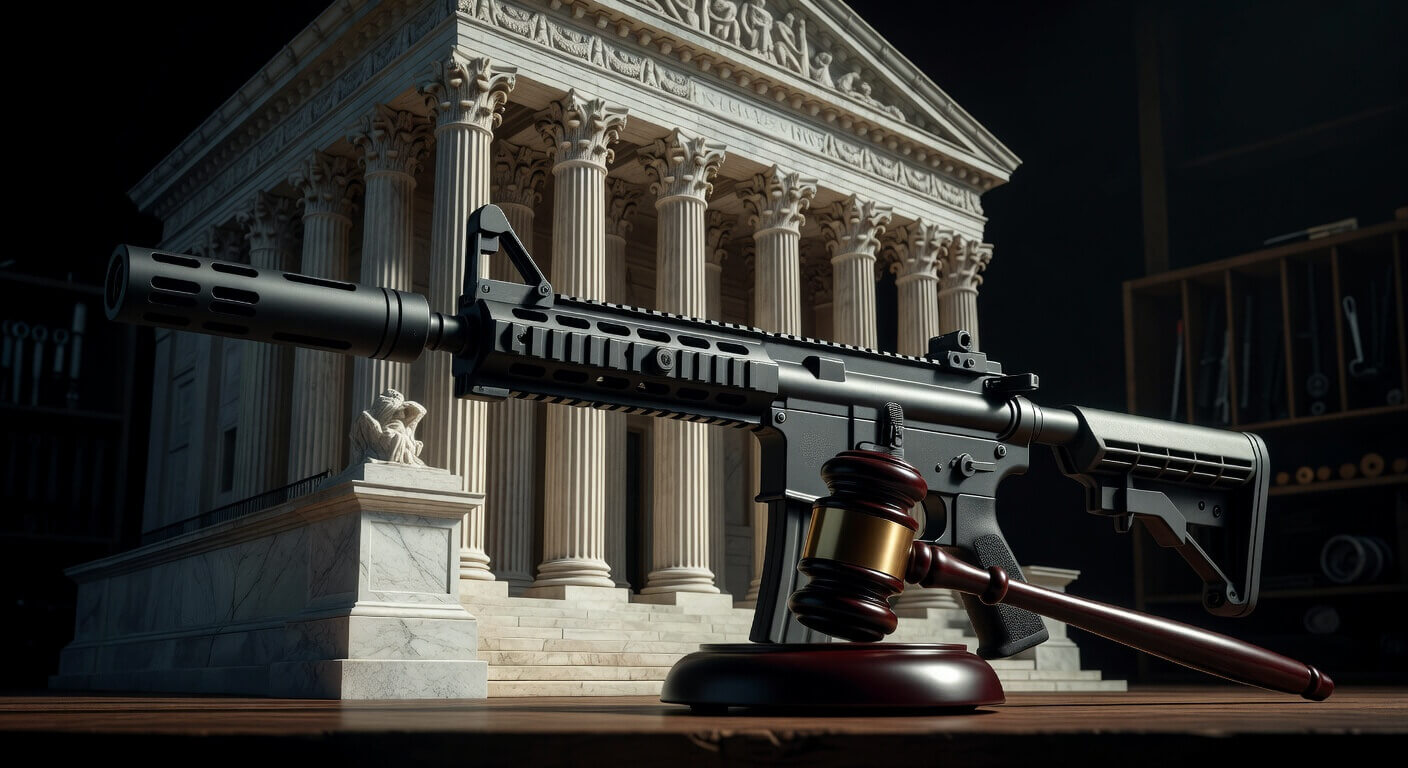
    Illustration of an AR-15 rifle with Supreme Court gavel overlay, symbolizing potential nationwide legalization.

    The Filing That Changed Everything

    At the heart of this drama is the ongoing battle in Bianchi v. Frosh, a Fifth Circuit challenge to Maryland’s draconian assault weapons ban. But the real fireworks came in the DOJ’s opposition brief to a cert petition in a related high-profile case. There, buried in the government’s own words, they conceded that semi-automatic rifles like the AR-15 are “bearable arms” squarely protected by the Second Amendment. No more dodging with “military-style” nonsense—the DOJ admits these are the modern equivalent of the muskets our Founders enshrined.

    This isn’t some rogue lawyer’s slip-up. It’s a calculated pivot, likely previewing the Biden-Harris DOJ’s weak-kneed defense if SCOTUS takes up the issue. As the brief notes, outright bans on “commonly used rifles” fail the post-Bruen history-and-tradition test. Translation: States like California, New York, Illinois, and Maryland are on borrowed time.

    “The Government does not dispute that semiautomatic rifles are ‘in common use’ today for lawful purposes like self-defense.” — DOJ Filing Excerpt

    That’s right—they’re waving the white flag on the “assault weapon” hysteria. Over 20 million AR-15s and similar rifles are in circulation, making them America’s most popular firearm. Banning them isn’t public safety; it’s political theater.

    Why AR-15 Bans Are Doomed

    Post-New York State Rifle & Pistol Association v. Bruen (2022), courts must judge gun laws by their historical analogues from 1791 or 1868. Guess what? There were no “assault weapon” bans then because semi-autos didn’t exist—yet the principle holds: Governments can’t ban arms in common use for lawful purposes. Lower courts have already started crumbling:

    • 5th Circuit: Struck down ATF’s pistol brace rule, signaling skepticism of feature-based bans.
    • 7th Circuit: Questioned Illinois’ ban in oral arguments.
    • Multiple Districts: Injunctions piling up against state AWBs.

    The DOJ’s filing tips the scales. If SCOTUS grants cert—and insiders say it’s likely—we’re looking at a ruling that eviscerates bans in at least 10 states, freeing millions to exercise their God-given right without Big Brother’s permission slip.

    Supreme Court building with American flag and AR-15 silhouettes in the foreground, representing a pro-Second Amendment victory.

    What This Means for You

    Picture this: No more mag dumps in the safe because your state says so. Hunters, home defenders, and range warriors reclaiming the standard-issue rifle of free America. This is the Heller moment for modern arms—expanding protection from handguns to rifles.

    But don’t pop the champagne yet. Anti-gun zealots will scream “mass shootings!” ignoring that criminals don’t follow laws, and AR-15s are used defensively far more than offensively. Stats from the CDC and FBI back it: Rifles of any kind are a tiny fraction of crime guns. The real threat? Tyrannical overreach.

    Stay Locked and Loaded

    As petitions pile up at One First Street, keep the pressure on. Support groups like FPC, GOA, and SAF fighting these battles. Your voice—and your vote—matters. If SCOTUS swings the hammer, it’ll echo from sea to shining sea: The right to keep and bear ARMS shall not be infringed.

    Glory days ahead, 2A fam. What’s your take—ready for ARs everywhere?

    Stay vigilant. Train hard. Fight smart.

    Join the Fight - Second Amendment Foundation

    References

  • Federal Circuit Split Highlights Second Amendment Fight Over Gun Waiting Periods

    Federal Circuit Split Highlights Second Amendment Fight Over Gun Waiting Periods

    In the ever-evolving battlefield of Second Amendment jurisprudence, a fresh circuit split has ignited hope among gun rights advocates. The Tenth Circuit Court of Appeals just delivered a resounding victory by striking down New Mexico’s seven-day waiting period on firearms, ruling it has no historical analogue under the Supreme Court’s landmark New York State Rifle & Pistol Association v. Bruen framework. But not all circuits are on board— the First Circuit upheld Maine’s 72-hour waiting period, claiming it doesn’t burden the core right to keep and bear arms. This disagreement screams for Supreme Court intervention, and it’s a prime opportunity to expand gun owners’ freedoms nationwide.

    Graphic illustration of a split U.S. Court of Appeals circuit map highlighting the Tenth and First Circuits with scales of justice tipping toward the Second Amendment.
    Graphic illustration of a split U.S. Court of Appeals circuit map highlighting the Tenth and First Circuits with scales of justice tipping toward the Second Amendment. (via news.bloomberglaw.com)

    The Tenth Circuit Delivers a Pro-2A Win: Ortega v. Grisham

    In Ortega v. Grisham, the Tenth Circuit didn’t mince words. New Mexico’s seven-day waiting period for all firearm purchases—regardless of background checks or prior ownership—was deemed unconstitutional. Judge David Stras, writing for the panel, applied Bruen’s history-and-tradition test with precision: “We conclude that the seven-day waiting period regulates conduct protected by the Second Amendment and that the State has not met its burden of showing that the regulation is consistent with this Nation’s historical tradition of firearm regulation.”

    Why does this matter? Waiting periods force law-abiding citizens to wait days for a tool of self-defense they’ve already legally purchased. Imagine a woman escaping domestic abuse, needing a firearm now—that delay could be deadly. The court recognized this, rejecting the state’s flimsy “cooling off” rationale as ahistorical. No Founding-era evidence supports delaying a citizen’s right to acquire arms post-purchase. Score one for the Constitution!

    The First Circuit’s Misstep: Beckwith v. Frey

    Contrast that with the First Circuit’s April 3, 2026, decision in Beckwith v. Frey, upholding Maine’s 72-hour wait. The court twisted Bruen by claiming the regulation doesn’t “burden the core Second Amendment right” because it only applies after passing a background check. They leaned on a vague “historical tradition of delay” from licensing schemes, but critics—and soon, hopefully, SCOTUS—see through this.

    This ruling ignores Bruen’s mandate: Modern gun laws must mirror historical regulations of similar burden on similarly situated arms. Short-term delays for public carry? Sure, maybe colonial regulations existed. But forcing a delay on private purchases for self-defense at home? That’s a Second Amendment non-starter. Maine’s law treats every buyer like a potential criminal, infringing on the presumptive right to bear arms.

    Why Waiting Periods Fail the Bruen Test

    Post-Bruen (2022) and United States v. Rahimi (2024), courts must ask: Is there a historical tradition of this regulation? Waiting periods? Zilch. Founders didn’t make patriots cool their heels before arming against tyrants or threats. Anti-gun groups peddle suicide prevention myths, but data shows waiting periods don’t reduce overall violence and disproportionately harm the law-abiding.

    • No Historical Analogues: States can’t cherry-pick 20th-century “cooling off” laws invented amid 1930s gangster panics.
    • Burden on Self-Defense: Delays undermine the right to immediate protection, especially for repeat buyers or those in peril.
    • Universal Background Checks Suffice: NICS already prevents prohibited persons; extra waits are feel-good theater.

    This split mirrors post-Bruen chaos on assault weapons bans, standard-capacity magazines, and age restrictions. The Tenth Circuit got it right—now SCOTUS must step in.

    What’s Next? Eyes on the Supreme Court

    With cert petitions likely incoming, gun owners should rally. Organizations like the NRA, FPC, and GOA are leading the charge. Contact your reps, support 2A litigation funds, and stay armed and informed. This circuit split isn’t just legalese—it’s the front line in preserving our God-given right against creeping confiscation.

    The Second Amendment isn’t a suggestion; it’s the ultimate check on government overreach. The Tenth Circuit advanced liberty—let’s hope SCOTUS finishes the job and buries waiting periods for good. Stay vigilant, patriots!

    Follow GunStuff.tv for the latest 2A updates. What do you think—will SCOTUS take this up? Sound off in the comments!

    Join the Fight - Second Amendment Foundation

    References

  • U.S. Supreme Court Declines to Hear Challenge to Chicago’s Lawsuit Against Indiana Gun Shop

    U.S. Supreme Court Declines to Hear Challenge to Chicago’s Lawsuit Against Indiana Gun Shop

    In a disappointing but not entirely surprising move, the U.S. Supreme Court on May 4, 2026, declined to intervene in Chicago’s aggressive public nuisance lawsuit against Westforth Sports, a family-owned gun shop in Gary, Indiana. This decision paves the way for the case to grind on in lower courts, potentially unleashing a Pandora’s box of interstate liability nightmares for law-abiding firearms dealers nationwide.

    The U.S. Supreme Court building under a clear blue sky, symbolizing the highest court in the land where Second Amendment rights are often defended.
    The U.S. Supreme Court building under a clear blue sky, symbolizing the highest court in the land where Second Amendment rights are often defended. (via fox32chicago.com)

    The Backstory: Chicago’s Blame Game

    Chicago, long infamous for its failed gun control experiments, is now reaching across state lines to sue Westforth Sports. The Windy City’s attorneys claim the shop “negligently” sold firearms that somehow ended up in the hands of criminals on their streets. Never mind that federal law requires licensed dealers like Westforth to run every sale through the National Instant Criminal Background Check System (NICS). Never mind that the guns in question were legally purchased—likely by straw buyers or through theft—and trafficked illegally.

    This isn’t about accountability; it’s about deflection. Chicago’s sky-high murder rate, driven by gangs and illegal guns smuggled from states with looser laws or international sources, exposes the impotence of their handgun bans and assault weapon restrictions. Instead of cleaning up their own streets or cracking down on felons in possession, Mayor Brandon Johnson’s crew wants to punish an Indiana small business for daring to follow federal law.

    Why This Matters for Your Second Amendment Rights

    If you’re a gun owner, FFL holder, or just someone who values personal responsibility, this case should set off alarm bells. Here’s why:

    • Interstate Overreach: Chicago is weaponizing “public nuisance” laws to extraterritorially regulate out-of-state businesses. If successful, expect blue-city DAs from New York to San Francisco to sue dealers in red states like Texas or Arizona. Your local gun shop could be next.
    • Chilling Effect on Commerce: Dealers already face suffocating ATF regulations. Now, they risk million-dollar lawsuits based on “trace data” that doesn’t prove negligence—just that criminals are criminals. Sales will drop, prices will rise, and rural shops will shutter.
    • Ignoring Root Causes: ATF stats show most crime guns come from theft, straw purchases, or corrupt insiders—not “negligent” dealers. Chicago’s own policies, like sanctuary status for illegal immigrants and soft-on-crime prosecution, fuel the violence.
    • Precedent for More Abuse: Remember the NRA’s public nuisance suits? Anti-gunners are flipping the script, and without SCOTUS protection, lower courts packed with activists could greenlight this madness.

    The Supreme Court’s pass—echoing their shadow docket restraint—leaves Westforth fighting alone in the Seventh Circuit. But make no mistake: this is a direct assault on the firearms industry and the lawful exercise of Second Amendment rights.

    Aerial view contrasting Chicago's glittering skyline with a modest Indiana gun shop storefront, highlighting the interstate battle over gun rights.
    Aerial view contrasting Chicago’s glittering skyline with a modest Indiana gun shop storefront, highlighting the interstate battle over gun rights. (via chicagobusiness.com)

    What Can We Do? Fight Back, 2A Style

    Don’t sit this one out. Support Westforth Sports through their legal defense fund (links in comments). Contact your congressmen to push for federal protections shielding FFLs from frivolous interstate suits. And above all, vote with your wallet—buy American, buy local, and buy from shops standing firm against tyranny.

    The Second Amendment isn’t a suggestion; it’s the law of the land. Chicago’s lawsuit is a test of our resolve. Let’s show them Gary, Indiana, guns—and American grit—won’t back down.

    Stay armed, stay informed. Follow GunStuff.tv for the latest in pro-2A news.

    Join the Fight - Second Amendment Foundation

    References

  • Supreme Court Wrestles with Federal Gun Ban for Marijuana Users Under Second Amendment Scrutiny

    Supreme Court Wrestles with Federal Gun Ban for Marijuana Users Under Second Amendment Scrutiny

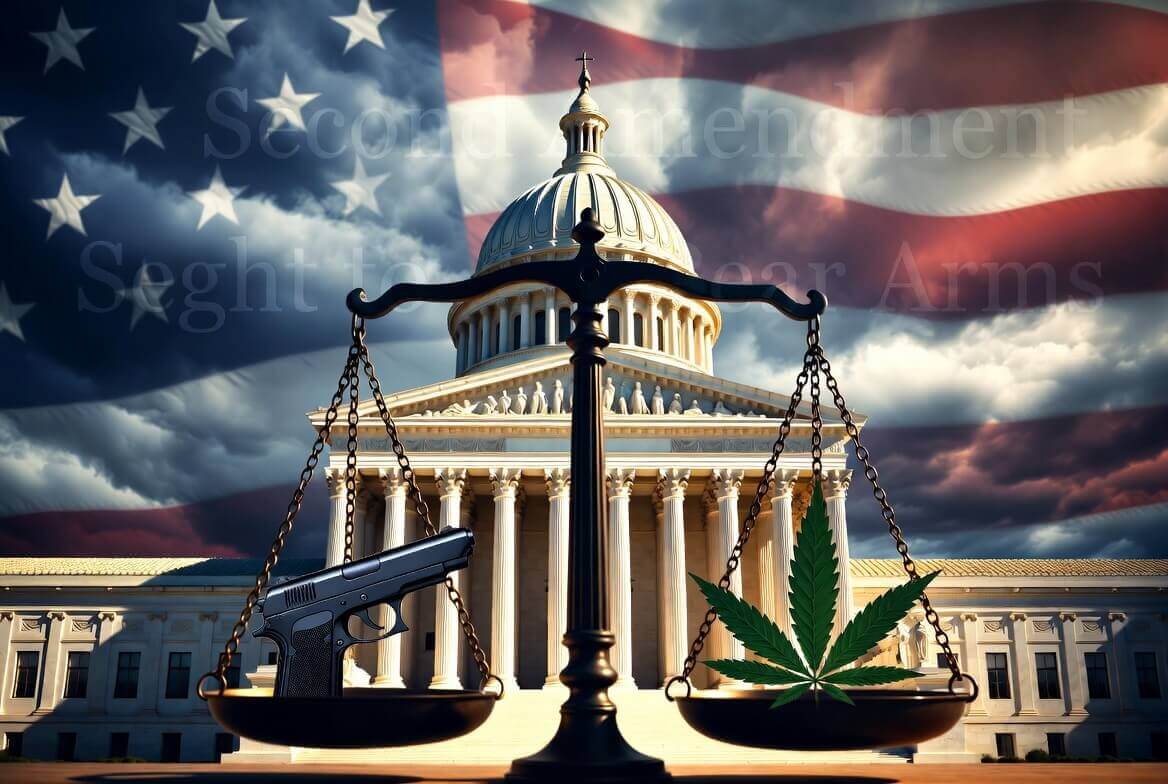
    In a blockbuster showdown at the Supreme Court, the Second Amendment is flexing its muscles against one of the most absurd federal gun bans out there: the prohibition on firearm ownership for anyone who uses marijuana—even in states where it’s totally legal. That’s right, 18 U.S.C. § 922(g)(3) treats a puff of legal weed like you’re a dangerous felon, stripping your gun rights under the guise of the Gun Control Act of 1968. But post-New York State Rifle & Pistol Association v. Bruen (2022), the justices are grilling lawyers on whether this nonsense has any roots in our nation’s history. Spoiler: It doesn’t.

    U.S. Supreme Court justices during oral arguments on Second Amendment case challenging federal gun ban for marijuana users.

    The Case at Hand: Weed Smokers vs. the Feds

    This isn’t some hypothetical. Take guys like Bryan Harrison from Texas or Zackey Rahimi—wait, Rahimi’s a different beast, but the principle echoes. In the spotlight is a challenge to §922(g)(3), which bars “unlawful users of or addicted to any controlled substance” from possessing firearms. Marijuana’s still Schedule I federally, so even if your state says “light up,” Uncle Sam says “no guns for you.”

    The Fifth Circuit struck down the ban for one defendant, ruling it violated Bruen’s test: Modern gun laws must be “consistent with this Nation’s historical tradition of firearm regulation.” No Founding-era equivalent exists for banning guns based on substance use. Booze? Heck, the Founders loved their ale. Opium dens in the 1800s? Gun-toting patrons aplenty. The government scrambled for “analogues” like 19th-century laws against “habitual drunkards,” but even Justice Kavanaugh poked holes: “Alcohol was ubiquitous then; drugs weren’t regulated like today.”

    During oral arguments, the Court wrestled with this. Solicitor General Elizabeth Prelogar defended the ban, claiming it’s about public safety—users might be impaired. But Justice Gorsuch fired back: “What about alcohol? We don’t disarm everyone who drinks.” Justice Barrett questioned if “unlawful user” is even clear—self-certify on Form 4473? Justice Jackson worried about kids with ADHD meds. The skepticism was thick; even liberal justices seemed uneasy with the breadth.

    Bruen’s Shadow Looms Large

    Bruen flipped the script on gun control. No more “interest balancing” or “means-end scrutiny.” Show us the history, or pack it up. For §922(g)(3), the feds’ historical grab-bag is pathetic:

    • Drunkard laws: Sure, some states disarmed “habitual drunkards” in the 1800s, but alcohol was legal and culturally accepted. Marijuana? Criminalized in the 20th century via racist drug wars.
    • Mental health commitments: Irrelevant—pot use isn’t a mental defect.
    • Lunacy laws: Colonial holdovers for the truly dangerous, not casual users.

    Justice Thomas, a 2A rockstar, likely sees through it. The historical record shows the Second Amendment protected arms for the “virtuous citizen,” but “virtue” meant law-abiding, not substance-free. Post-Prohibition, we didn’t ban guns for beer drinkers. This is a modern invention, born from the War on Drugs, not the Founding.

    Why This Matters for Every Gun Owner

    Don’t think this is just for stoners. Slippery slope alert: If the feds can disarm you for legal weed, what’s next? CBD oil? Prescription painkillers? Hell, caffeine addicts? This ban affects millions—over 50 million Americans have tried pot, and 18 states plus D.C. have legalized recreational use. Yet ATF Form 4473 asks if you’re an “unlawful user,” and lying is a felony.

    Pro-2A warriors like the Firearms Policy Coalition and Second Amendment Foundation are leading the charge. They’ve won at lower courts, forcing SCOTUS to confront Bruen’s bite. A ruling striking this down would shred another §922(g) prohibitor, paving the way for challenges to felon-in-possession (g(1)), domestic violence (g(9)), and more.

    Shifting drug laws amplify the farce. As states nullify federal pot prohibition, why should 2A rights suffer? The Founders didn’t envision a nanny state disarming based on FDA schedules. This is peak federal overreach.

    What Happens Next?

    Decision expected by summer 2025. If SCOTUS guts §922(g)(3), expect fireworks: ATF in chaos, states celebrating, gun grabbers wailing. Even if narrowed (say, only for “addicts”), it’s a win—further eroding Biden’s gun control empire.

    Gun owners, stay vigilant. Support orgs fighting these battles. Write your reps demanding full repeal of 922(g). The Second Amendment isn’t conditional on your vices—it’s absolute.

    Shall not be infringed. Period.

    Stay armed, stay free. Follow GunStuff.tv for more 2A firepower.
    Join the Fight

    References

  • NRA, SAF, FPC Urge Supreme Court to Hear Challenge to NFA Suppressor Bans and Taxes

    NRA, SAF, FPC Urge Supreme Court to Hear Challenge to NFA Suppressor Bans and Taxes

    Big news for gun owners and Second Amendment advocates: the National Rifle Association (NRA), Second Amendment Foundation (SAF), and Firearms Policy Coalition (FPC) have thrown their weight behind a critical Supreme Court challenge to the National Firearms Act’s (NFA) burdensome suppressor regulations. On April 2, 2026, these powerhouse organizations filed amicus briefs supporting the certiorari petition in Peterson v. United States, urging the justices to take up the case and strike down the NFA’s registration mandates and $200 transfer tax on suppressors.

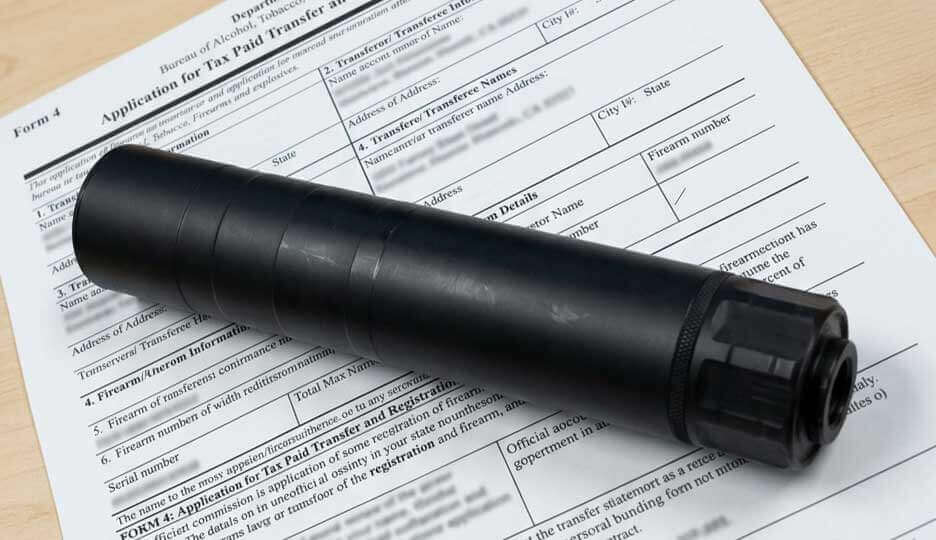
    form 4

    Why Suppressors Matter – More Than Just Hollywood Myth

    Let’s set the record straight: suppressors (or “silencers,” if you prefer the dramatic term) aren’t tools for assassins. They’re hearing protection devices that reduce gunshot noise by 20-35 decibels, making range days safer and more enjoyable. Millions of them are in circulation today, used by hunters, sport shooters, and even some law enforcement. Under the New York State Rifle & Pistol Association v. Bruen standard, these are “arms” in “common use” for lawful purposes – exactly the kind of gear the Second Amendment protects.

    The Case at the Heart of the Fight: Peterson v. United States

    At issue is the NFA’s 1934 framework, which slaps suppressors with federal registration, fingerprints, photos, CLEO sign-off (in many cases), and that infamous $200 tax stamp per transfer. Plaintiffs in Peterson argue these hurdles are unconstitutional post-Bruen. The Fifth Circuit agreed in part but punted on the tax issue, creating a circuit split ripe for SCOTUS review.

    The amicus briefs hammer home the point:

    • NRA: Emphasizes suppressors’ historical roots and modern utility as bearable arms, with no tradition of taxation or registration at the Founding.
    • SAF: Highlights empirical data on their commonality – over 3 million registered – and how NFA burdens chill exercise of rights.
    • FPC: Tears into the tax as a discriminatory fee lacking historical analogue, echoing Murphy v. NCAA‘s rejection of pay-to-play schemes for constitutional rights.

    The Inflationary Outrage of the $200 Tax

    Originally designed as a prohibitive barrier (equivalent to about $4,500 today), the $200 tax is now a relic. With suppressors costing $500+, it’s still an extra hit – and that’s before ATF wait times averaging 6-12 months. Pro-2A warriors argue this isn’t regulation; it’s suppression of a protected right. Bruen demands history and tradition, not 1930s New Deal economics.

    What Victory Would Mean for You

    If SCOTUS grants cert and rules in favor, expect a seismic shift. No more NFA paperwork for cans means easier access to safer shooting. It could ripple to other NFA items like SBRs and AOWs, dismantling the registry brick by brick. This isn’t just about quiet rifles; it’s about reclaiming the Second Amendment from bureaucratic overreach.

    Stay vigilant, patriots. Support NRA, SAF, FPC, and GOA with your membership and donations. Follow Peterson docket updates – the future of our rights hangs in the balance. The Court has a chance to affirm that “shall not be infringed” means exactly that.

    Keep your powder dry and your voice loud. The fight for freedom continues.

    Join The Fight

    References