Author: Katie Derrick

  • Ellsworth Rod and Gun Club Announces Full 2026 Chicken Feed Shooting Event Schedule

    Ellsworth Rod and Gun Club Announces Full 2026 Chicken Feed Shooting Event Schedule

    The remodeled Ellsworth Rod and Gun Club in Wisconsin is breathing fresh life into the local shooting scene with its complete 2026 Chicken Feed schedule. This beloved series of events celebrates the enduring spirit of American marksmanship and the Second Amendment freedoms that make such gatherings possible. Kicking off on May 21 and running every Thursday thereafter, these weekly competitions invite both club members and the public to test their skills in trap, skeet, and sporting clays.

    Whether you’re a seasoned competitor or new to the range, the Chicken Feed events deliver an unbeatable mix of friendly rivalry and pure enjoyment. The club’s recent upgrades have transformed the facilities into a top-tier destination, complete with well-maintained fields and welcoming staff ready to help everyone sharpen their aim. These shoots aren’t just about scores—they’re about building community, passing down traditions, and standing strong for our gun rights in a time when they’re more important than ever.

    Here’s a look at the full 2026 lineup:
    – May 21: Season opener with trap and skeet focus
    – May 28 through September 24: Weekly Thursday events featuring rotating disciplines including sporting clays
    – October 1: Grand finale championship with special prizes and raffles
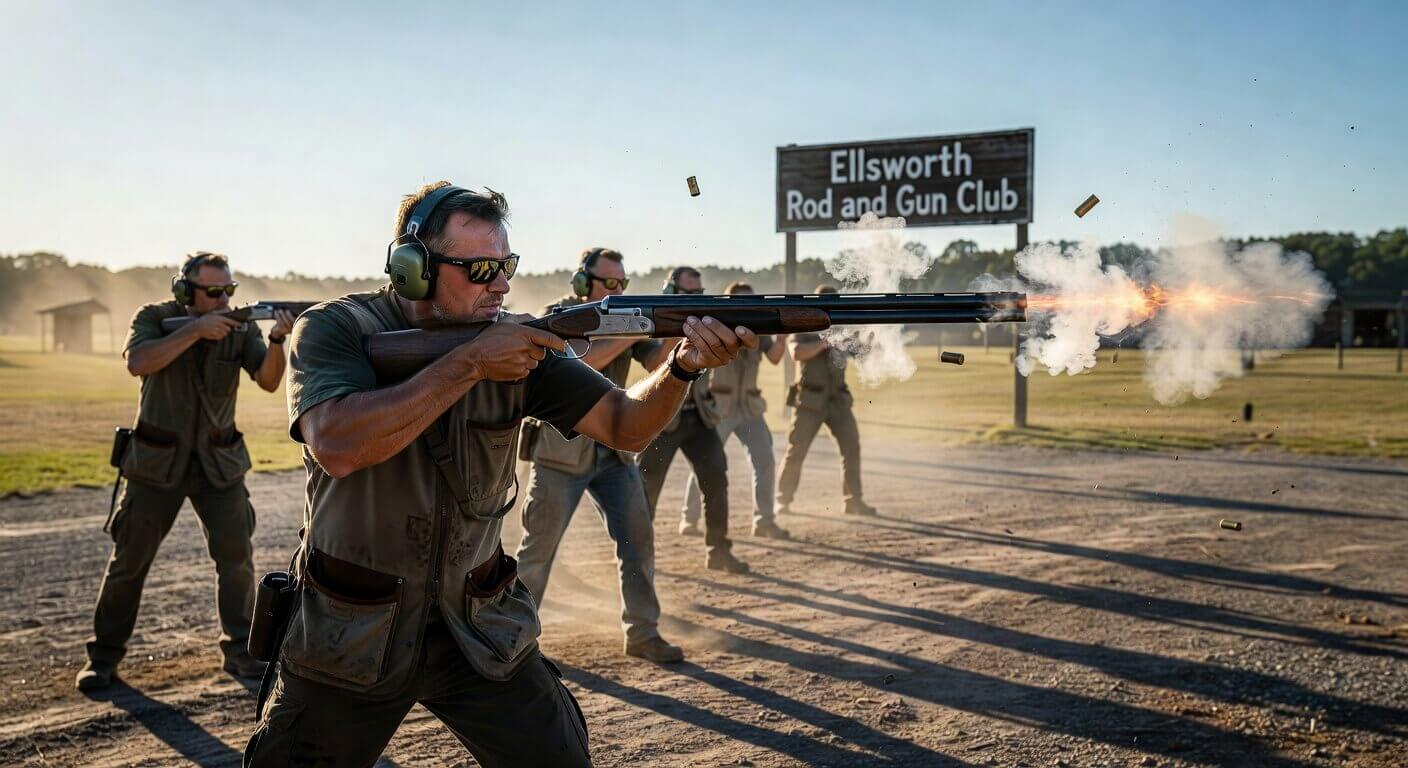
    Competitors at Ellsworth Rod and Gun Club on a sunny Thursday afternoon during a Chicken Feed trap event

    Bring your favorite shotgun, your enthusiasm, and a friend or two—everyone is welcome to join in the action. These events underscore why local gun clubs remain vital hubs for responsible firearm ownership and recreation across the country. Mark your calendars and get ready to defend your marksmanship heritage at Ellsworth.

    Join the Fight - Second Amendment Foundation

    References

  • Report Explores Future of Firearms Technology Including Smart Guns and Advanced Materials for 2026

    Report Explores Future of Firearms Technology Including Smart Guns and Advanced Materials for 2026

    The firearms industry stands at an exciting crossroads as we look ahead to 2026, where cutting-edge advancements are poised to deliver smarter, lighter, and more efficient tools for responsible Americans exercising their Second Amendment rights. A recent industry analysis highlights how these developments will prioritize user safety without compromising the reliability and performance that law-abiding owners demand.

    Sleek modern handgun with integrated biometric sensors and advanced polymer frame resting on a wooden range table

    Smart firearms represent one of the most talked-about innovations. These next-generation designs incorporate biometric authentication, RFID tagging, or app-based authorization that ensures only the registered owner can discharge the weapon. Far from the restrictive mandates pushed by some politicians, these features empower individuals to add an extra layer of protection for their families. Imagine a home defense pistol that recognizes your grip or fingerprint in milliseconds while remaining fully functional in any scenario—no batteries required for core operation. This technology builds on existing aftermarket solutions and appeals to enthusiasts who value both freedom and personal responsibility.

    Beyond electronics, advanced lightweight materials are transforming how firearms feel and perform. New composites and alloys reduce overall weight by up to 30 percent without sacrificing durability or accuracy. Whether you’re a competitive shooter carrying gear all day or a concealed carrier prioritizing comfort, these materials make high-quality firearms more accessible for everyday Americans. Hunters in rugged terrain especially benefit, as reduced fatigue means steadier aim and longer effective range.

    Optimized propellants round out the trio of breakthroughs. Chemists are refining powder formulations for cleaner burns, reduced recoil, and consistent velocity across temperature extremes. The result? Ammunition that delivers tighter groups and better terminal performance while minimizing wear on barrels. These enhancements support everything from precision long-range shooting to rapid defensive scenarios, all while staying true to the American tradition of continuous improvement in our firearms heritage.

    Together, these technologies signal a future where innovation strengthens the rights of the people rather than eroding them. As 2026 approaches, manufacturers focused on real-world needs will continue leading the charge, ensuring that law-abiding citizens have access to the safest and most capable firearms possible.

    Join the Fight - Second Amendment Foundation

    References

  • Feds Bust International Gun Smuggling Ring Exploiting Akwesasne Mohawk Reservation Border

    Feds Bust International Gun Smuggling Ring Exploiting Akwesasne Mohawk Reservation Border

    The recent federal takedown of an international gun-smuggling operation running through the Akwesasne Mohawk Territory should serve as a stark reminder that determined criminals will always find ways around the law. For years, authorities say, this ring moved dozens of firearms from the United States into Canada by exploiting the unique border geography and tribal sovereignty rules along the St. Lawrence River. Thirteen people now face charges, several of them Akwesasne residents. Yet the real story here is not about American gun owners—it is about porous borders, special-status territories, and the futility of treating law-abiding citizens as the problem.

    Aerial view of the Akwesasne Mohawk Territory straddling the U.S.-Canada border with marked smuggling paths along the St. Lawrence River

    According to prosecutors in New Hampshire and New York, the scheme began in 2021 and relied on the fact that parts of the Akwesasne reservation sit on both sides of the international line. Smugglers allegedly purchased firearms legally in the U.S., then shuttled them across the reservation into Canada where gun ownership is far more restricted. The operation highlights a long-standing enforcement challenge: when geography and jurisdictional quirks create gray areas, criminals rush to fill them. This is not a failure of the Second Amendment; it is a failure of border security and coordinated law enforcement.

    Criminals Exploit Loopholes—Not Lawful Gun Owners

    Pro-Second Amendment advocates have long warned that additional restrictions on American citizens simply create new opportunities for black-market operators. The Akwesasne case proves the point. Every firearm traced in this investigation started its life as a legal purchase. The moment it crossed into criminal hands, existing laws against trafficking and straw purchases were already being broken. Adding more red tape for law-abiding buyers would not have stopped these smugglers; it would only have made the black-market premium higher and the profits sweeter for the next ring willing to take the risk.

    Canada’s strict gun-control regime is often held up as a model by American restrictionists. Yet the very existence of this pipeline demonstrates that even nations with some of the toughest firearms laws on the planet cannot keep illegal guns out when determined networks exploit every crack in the border. The solution lies in aggressive prosecution, better inter-agency cooperation, and physical security—not in disarming the American public.

    What the Data Actually Shows

    Federal tracing data consistently reveals that the overwhelming majority of firearms recovered in Canada were never intended for legal export. Instead, they are diverted through theft, straw purchases, or—exactly as seen here—organized smuggling across tribal lands and remote border crossings. The Akwesasne ring simply followed a well-worn path that has existed for decades with cigarettes, drugs, and now firearms. Blaming U.S. gun stores or the Second Amendment for this activity ignores the actual mechanics of the crime.

    Responsible gun owners and Second Amendment supporters should welcome swift federal action against these networks. Every successful prosecution removes another vector for illegal guns and protects the rights of lawful citizens who follow the rules. The focus must remain on the bad actors, not on punishing the 99 percent of Americans who exercise their constitutional rights without incident.

    Border security matters. Jurisdictional clarity on tribal lands matters. And recognizing that criminals do not obey gun-control edicts matters most of all. The Akwesasne bust is one more data point confirming what pro-2A Americans have said for years: secure the border, prosecute traffickers aggressively, and leave the rest of us alone.

    Join the Fight - Second Amendment Foundation

    References

  • Gestamen Arms Debuts G9HSP Convertible Hammer-to-Striker Handgun at SHOT Show 2026

    Gestamen Arms Debuts G9HSP Convertible Hammer-to-Striker Handgun at SHOT Show 2026

    At SHOT Show 2026, Gestamen Arms turned heads with the launch of the G9HSP, a groundbreaking 9mm pistol that lets shooters flip between hammer-fired and striker-fired operation in minutes. This isn’t just another incremental update—it’s a true convertible platform built for the real-world needs of American gun owners who demand flexibility without compromise.

    The G9HSP’s user-swappable fire control system means you can tailor the gun to the mission. Run it hammer-fired for that crisp, traditional trigger pull many prefer in defensive scenarios, complete with a visible cocked hammer for instant status checks. Switch to striker-fired mode when speed and a lighter take-up matter most, such as on the competition circuit or during high-stress training. Both configurations deliver reliable 9mm performance from the same compact, optics-ready frame.

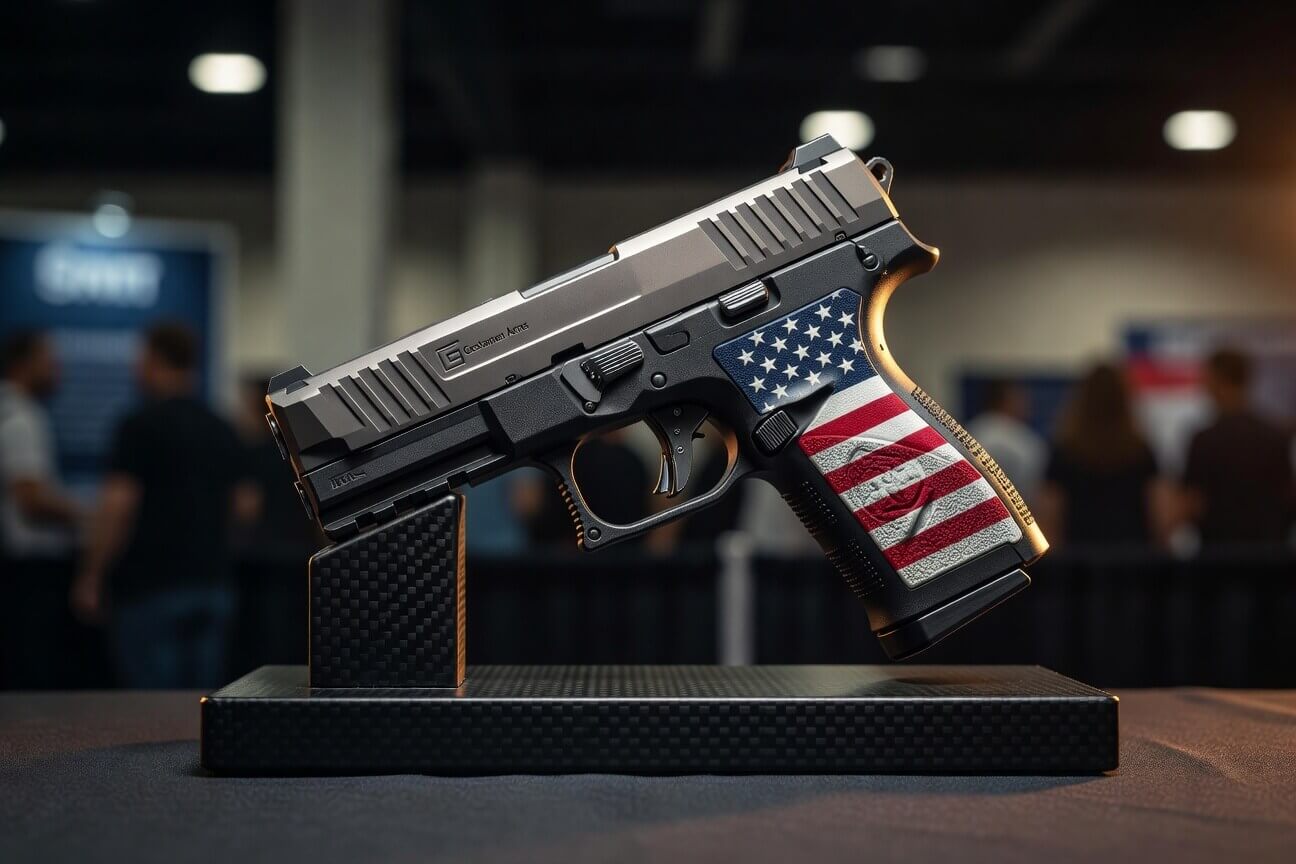
    Close-up of the Gestamen Arms G9HSP pistol configured in hammer-fired mode, showing the visible hammer and ergonomic grip at SHOT Show

    Responsible citizens have long valued options that enhance personal protection and marksmanship skills. The G9HSP embodies that spirit by putting control back in the hands of the end user rather than locking them into a single operating system. Whether you’re carrying for family defense, running drills at the range, or competing in USPSA events, this pistol adapts without forcing you to buy multiple firearms.

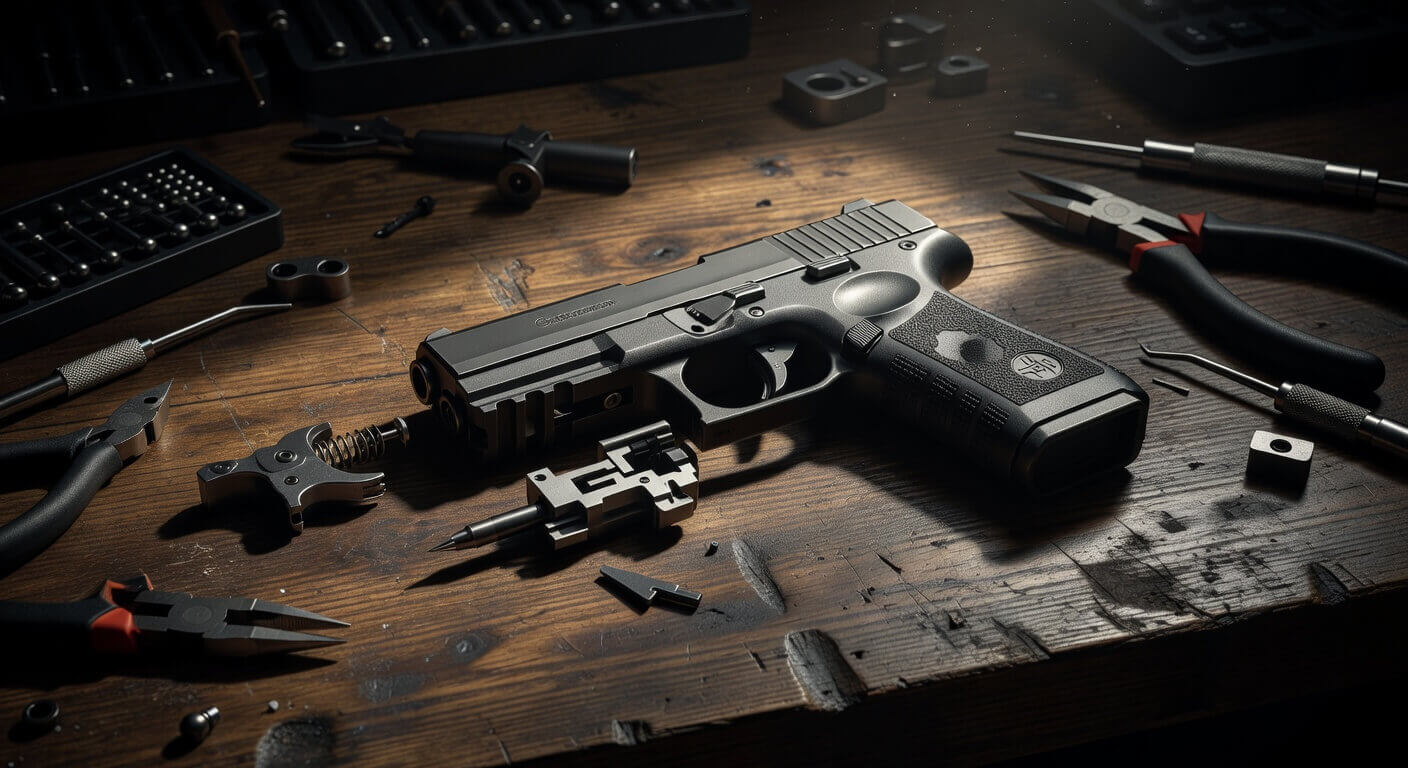
    Gestamen Arms engineered the conversion process to be straightforward, requiring only basic tools and a few minutes. The pistol ships with all necessary components, and the company offers clear instructions plus video support for owners. Reliability remains paramount, with the G9HSP passing extensive drop-safety and function testing in both modes before hitting dealer shelves later this year.

    This kind of innovation reminds us why the Second Amendment matters. It protects the right to keep and bear arms that evolve with technology and shooter preferences, ensuring law-abiding Americans stay equipped for whatever comes their way. The G9HSP isn’t about restricting choices—it’s about expanding them.

    Gestamen Arms G9HSP pistol shown mid-conversion from hammer to striker-fired configuration, highlighting the modular fire control parts on a workbench

    If you’re looking for a single 9mm that truly does double duty, the G9HSP deserves a close look. Gestamen Arms has delivered a platform that respects the American shooter’s need for versatility, quality, and freedom of choice.

    Join the Fight - Second Amendment Foundation

    References

  • Registration Opens for 41st Annual Gun Rights Policy Conference in 2026

    Registration Opens for 41st Annual Gun Rights Policy Conference in 2026

    Second Amendment advocates, mark your calendars and prepare for an unmissable gathering of minds dedicated to preserving our constitutional freedoms. Registration has officially opened for the 41st Annual Gun Rights Policy Conference, set for September 2026 in sunny Phoenix, Arizona. This milestone event promises to be a powerhouse of strategy sessions, legal updates, and grassroots tactics that keep the fight for gun rights alive and winning.

    Spacious conference hall in Phoenix filled with engaged attendees discussing Second Amendment issues at the GRPC

    Building on the landmark Bruen decision, this year’s conference dives deep into post-Bruen litigation strategies that have already toppled unconstitutional restrictions nationwide. Attendees will explore how to leverage these victories in courtrooms from coast to coast while pushing back against new threats from anti-gun lawmakers. Expect candid discussions on state-level reforms that empower law-abiding citizens, from constitutional carry expansions to protections for the firearm industry.

    Who You’ll Meet and What You’ll Learn

    Top-tier attorneys from groups like the Second Amendment Foundation and the Firearms Policy Coalition will share insider updates on emerging legal challenges. Second Amendment scholars will break down the latest court rulings, while lawmakers and grassroots organizers reveal proven tactics for mobilizing communities and influencing policy at every level. Whether you’re a seasoned activist or new to the movement, the sessions will arm you with actionable tools to defend our rights against overreach.

    Phoenix provides the perfect backdrop for this gathering, blending Western heritage with a strong pro-2A community. From networking mixers to late-night strategy huddles, the event fosters connections that turn ideas into real-world impact. Past conferences have sparked major lawsuits and legislative wins—2026 promises even more.

    Why This Matters Now More Than Ever

    With elections looming and fresh attacks on our freedoms surfacing daily, staying informed isn’t optional—it’s essential. The GRPC equips you to counter narratives, support industry allies, and build coalitions that outlast any temporary political setback. Pro-2A voices thrive when we unite, and this conference is where that unity gets forged.

    Don’t wait to secure your spot. Head over to the official site and register today to join fellow patriots shaping the future of gun rights. Together, we’ll keep the flame of liberty burning bright for generations to come.

    Join the Fight - Second Amendment Foundation

    References

  • UN Convenes Fifth Constructive Dialogue on Firearms to Address Global Trafficking in 2026

    UN Convenes Fifth Constructive Dialogue on Firearms to Address Global Trafficking in 2026

    The United Nations is once again flexing its globalist muscles with the fifth Constructive Dialogue on Firearms, set for May 13, 2026. Hosted by the UN Office on Drugs and Crime, this gathering of governments, NGOs, and so-called experts claims to target illicit trafficking under the UNTOC framework. In reality, it smells like another coordinated push to erode the rights of law-abiding gun owners everywhere while ignoring the real drivers of violence: corrupt regimes, porous borders, and criminal networks that laugh at international paperwork.

    American gun owners know this script all too well. Every few years the UN rolls out fresh “dialogues” and protocols that ultimately circle back to restricting civilian access to firearms. They frame it as fighting “trafficking,” yet the data shows most illegal guns in high-crime areas come from local thefts, straw purchases, or outright government failures—not from some shadowy international pipeline that more treaties will magically fix.

    Why This Matters for U.S. Gun Rights

    Our Second Amendment isn’t up for negotiation in a New York conference room. The United States already leads the world in responsible firearm ownership, with millions of law-abiding citizens using guns for self-defense, sport, and heritage. International bodies have no jurisdiction here, and any attempt to import foreign standards through backdoor diplomacy should be rejected outright by Congress and the states.

    Instead of obsessing over legal gun owners, these dialogues would do more good focusing on actual enforcement: securing borders, prosecuting traffickers, and holding failed states accountable for arming cartels. But that would require real solutions rather than feel-good global meetings that produce more bureaucracy and less freedom.

    Staying Vigilant in 2026 and Beyond

    Gun owners across America should watch this May event closely. Track which U.S. officials attend, what concessions get floated, and how domestic anti-gun groups try to spin the outcomes into new pressure campaigns. The best defense remains an informed, active, and armed citizenry that refuses to let unelected international forums dictate our constitutional protections.

    At the end of the day, firearms in the hands of free people deter tyranny far better than any UN resolution ever will. Keep your rifles clean, your magazines loaded, and your representatives accountable—this fight isn’t over just because another meeting is on the calendar.

    Join the Fight - Second Amendment Foundation

    References

  • New Legal Strategy Challenges ATF Interpretation of 1986 Hughes Amendment on Machine Gun Ban

    New Legal Strategy Challenges ATF Interpretation of 1986 Hughes Amendment on Machine Gun Ban

    In the ongoing battle for Second Amendment freedoms, a fresh wave of legal innovation is taking aim at one of the most restrictive federal overreaches in modern gun control history. Gun rights advocates and constitutional scholars are crafting a bold new argument that could reshape access to machine guns for law-abiding citizens, particularly in states ready to push back against bureaucratic overreach.

    The Hughes Amendment, tacked onto the 1986 Firearm Owners’ Protection Act, has long been interpreted by the ATF as a blanket prohibition on the civilian ownership of machine guns manufactured after May 19, 1986. This reading effectively froze the supply of transferable machine guns, driving prices into the stratosphere and limiting options for collectors and enthusiasts. But experts now contend the ATF stretched the amendment’s text far beyond its plain meaning, ignoring key distinctions in the statute and the constitutional limits on federal power.

    Detailed image of a federal courtroom with documents and a gavel emphasizing Second Amendment litigation

    This reinterpretation gains serious traction in the post-Chevron landscape, where courts no longer rubber-stamp agency interpretations of ambiguous statutes. Without Chevron deference propping up the ATF’s expansive view, judges are free to apply traditional tools of statutory construction—and many legal minds believe the Hughes language simply does not support a total nationwide ban on post-1986 machine guns when read alongside the broader framework of the National Firearms Act.

    West Virginia and Kentucky stand out as prime testing grounds for this strategy. Both states boast strong pro-Second Amendment traditions and legislatures willing to explore creative legislation that could force federal courts to confront the ATF’s overreach head-on. Targeted state laws recognizing the right to manufacture or possess certain post-1986 machine guns for lawful purposes, paired with swift court challenges, could create the perfect vehicle for dismantling the current restrictions. Success here would not only restore access but also send a powerful message that states need not wait for federal permission to vindicate constitutional rights.

    Critics of the ATF’s long-standing position point to the amendment’s actual wording, which focused on prohibiting transfers rather than imposing an outright manufacturing ban. In an era where individual rights are receiving renewed judicial scrutiny, this distinction matters. Pro-2A organizations are already lining up amicus support and preparing model legislation, betting that clear-eyed courts will side with history, text, and the fundamental right to keep and bear arms—including the most effective defensive tools available.

    The stakes could not be higher. Restoring the ability for responsible citizens to own modern machine guns would mark a major victory against decades of incremental disarmament. As these cases move forward, every gun owner should watch closely—because a win in West Virginia or Kentucky could rewrite the rules nationwide.

    Join the Fight - Second Amendment Foundation

    References

  • Rimfire Challenge Shooting Association Expands 2026 National Series with New Pistol Caliber Carbine Divisions

    Rimfire Challenge Shooting Association Expands 2026 National Series with New Pistol Caliber Carbine Divisions

    The shooting sports community just got a major boost with the Rimfire Challenge Shooting Association’s announcement of its expanded 2026 national calendar. By adding dedicated Pistol Caliber Carbine divisions to the traditional rimfire lineup, the organization is opening the door wider for enthusiasts who value safe, competitive fun and the fundamental right to bear arms responsibly.

    These new PCC categories let competitors run popular platforms chambered in 9mm, .40 S&W, and similar calibers through the same fast-paced, skill-building stages that have made Rimfire Challenge events a hit with families and newcomers alike. The result is more inclusive matches that reward accuracy, speed, and safe gun handling without the high costs or recoil of full-power rifle competitions.

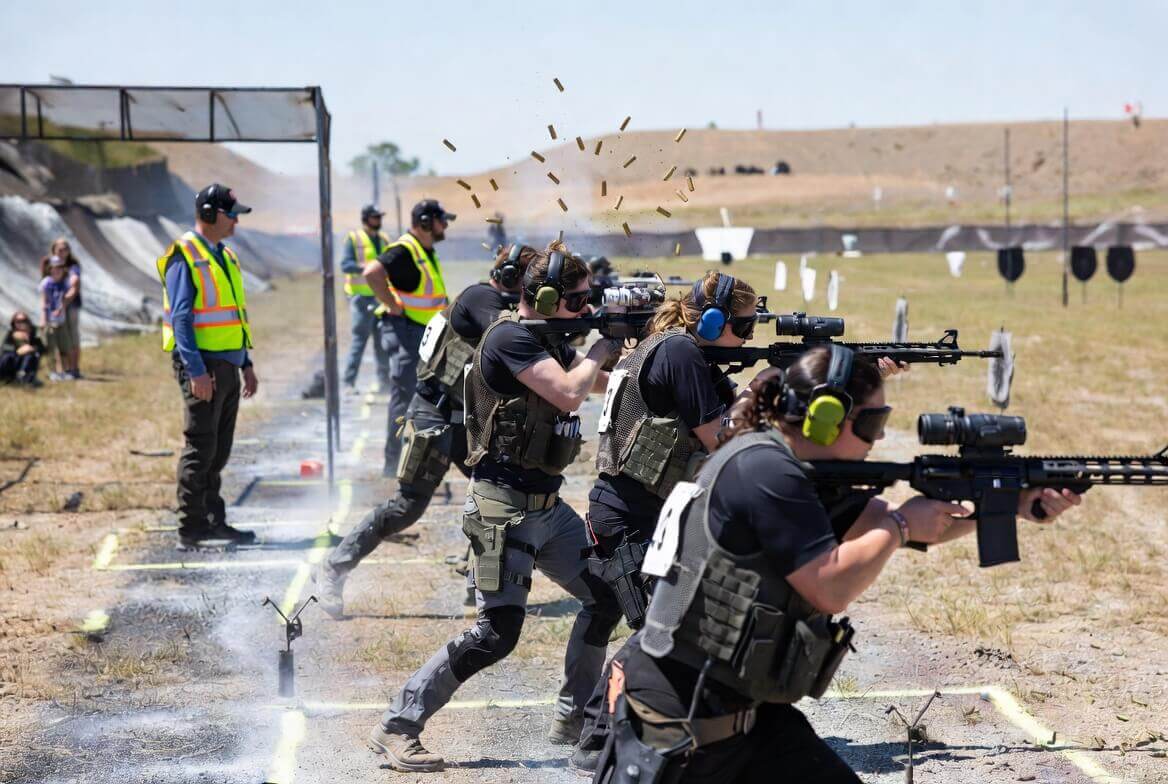
    Competitors running Pistol Caliber Carbine stages at an outdoor range during a Rimfire Challenge event, with safety officers and family spectators visible in the background

    Organizers designed the 2026 series to emphasize family-friendly formats that keep the focus on training, camaraderie, and enjoyment of the shooting sports. Parents can introduce kids to firearms through affordable rimfire rifles while older shooters test their skills with modern carbines, all under strict safety protocols that reinforce responsible ownership. This approach strengthens the Second Amendment community by creating positive experiences that turn casual participants into lifelong advocates.

    The expanded calendar features events across multiple states, giving shooters more opportunities to qualify for national standings. Whether you prefer the precision of .22 LR or the versatility of a 9mm carbine, every division stresses the same core principles: muzzle discipline, trigger control, and respect for the firearm. These values translate directly into everyday carry and home-defense readiness.

    Gun owners who want to grow the pro-2A movement should mark their calendars now. Attending or volunteering at a Rimfire Challenge match is one of the best ways to demonstrate that lawful firearm use builds stronger families and safer communities. The 2026 season promises bigger fields, new divisions, and continued proof that responsible gun culture is alive and thriving.

    Registration details and the full event schedule will be released on the association’s website in the coming months. In the meantime, brush up on your carbine skills at the local range and get ready to join the fastest-growing segment of practical shooting sports.

    Join the Fight - Second Amendment Foundation

    References

  • New Jersey AG Sends Subpoenas to Firearms Dealers Seeking Customer Records

    New Jersey AG Sends Subpoenas to Firearms Dealers Seeking Customer Records

    In a move that has ignited outrage among Second Amendment advocates nationwide, New Jersey’s Attorney General has unleashed subpoenas on licensed firearms dealers throughout the state, demanding sweeping access to customer purchase records. This isn’t about public safety—it’s a calculated power grab aimed at chilling the rights of law-abiding citizens who simply exercise their constitutional freedoms.

    Why This Matters for Gun Owners

    These subpoenas target sensitive details like buyer identities, transaction histories, and even the types of firearms purchased. Dealers are being forced to hand over information that could easily be weaponized for future restrictions or registries. Pro-2A voices are quick to point out that such tactics bypass legislative processes and trample on privacy expectations that every American gun owner holds dear.

    Privacy Rights Under Attack

    Imagine your legal firearm purchase suddenly becoming public record fodder for bureaucrats with anti-gun agendas. This subpoena blitz raises serious questions about due process and Fourth Amendment protections against unreasonable searches. Gun owners in the Garden State and beyond are rightly concerned that this could set a dangerous precedent for other states looking to expand surveillance on the firearms community.

    Second Amendment Implications

    At its core, this legal standoff highlights how progressive-led states continue to erode the right to keep and bear arms through indirect means. Instead of outright bans, they’re using administrative pressure to create de facto gun owner databases. The backlash from dealers, advocacy groups, and everyday citizens underscores a growing resolve to fight back in court and at the ballot box. Lawful gun ownership isn’t a privilege—it’s a fundamental right that deserves robust defense against such encroachments.

    What Comes Next

    Legal challenges are already mounting, with pro-2A organizations vowing to hold the AG accountable. Gun owners should stay informed, support dealer compliance efforts where possible, and push for stronger state-level protections against record overreach. This episode serves as a stark reminder that eternal vigilance remains the price of liberty in today’s political climate.

    Join the Fight - Second Amendment Foundation

    References

  • Firearm Manufacturers Adopt AI for Quality Control and Design in 2026 Production Lines

    Firearm Manufacturers Adopt AI for Quality Control and Design in 2026 Production Lines

    As 2026 rolls in, American firearm manufacturers are proving once again why the U.S. leads the world in innovation. By folding advanced AI into every stage of production, companies are delivering rifles, pistols, and shotguns with unprecedented precision while keeping the spirit of American ingenuity alive and well.

    Precision That Protects Lives

    Quality control has always been the backbone of trusted American gun makers. Now AI vision systems scan every component at speeds and accuracy levels humans simply cannot match. Microscopic cracks, material inconsistencies, and dimensional errors get flagged before they ever reach the assembly floor. The result? Firearms that perform flawlessly when it matters most—whether you’re on the range, in the field, or relying on your carry piece for personal protection.

    Custom Designs at Record Speed

    Want a competition rifle built to your exact specifications or a defensive pistol with custom ergonomics? AI-driven design platforms are slashing development times from months to weeks. Engineers feed performance goals and user data into the system, and the AI generates optimized geometries that maintain strength while shedding unnecessary weight. This technology keeps American brands ahead of foreign competitors and gives everyday citizens access to truly personalized firearms that fit like a glove.

    Staying Ahead in a Free Market

    These advancements aren’t just about shiny new machines—they’re about preserving the right of law-abiding Americans to own the best tools available. When domestic manufacturers harness AI to reduce waste, lower costs, and raise quality, they strengthen the entire industry. More reliable guns mean safer owners, and faster innovation means the Second Amendment stays backed by real-world excellence rather than outdated production methods.

    The message is clear: 2026 isn’t just another year on the calendar. It’s the year American firearm makers doubled down on technology to build better, safer, and more capable firearms for the people who depend on them. The future looks bright—and it shoots straight.

    Join the Fight - Second Amendment Foundation

    References

  • ATF Announces 34 Rule Revisions to Simplify Suppressor Ownership and Deregulate Accessories

    ATF Announces 34 Rule Revisions to Simplify Suppressor Ownership and Deregulate Accessories

    In a major victory for gun owners across the nation, the Department of Justice and ATF have delivered long-overdue relief with a sweeping set of 34 rule changes. These revisions slash unnecessary hurdles for suppressor ownership while recognizing that law-abiding Americans deserve practical access to hearing protection without endless bureaucratic interference.

    ATF Director Robert Cekada speaking at a podium with American flags and firearm accessories in the background

    Under the leadership of new ATF Director Robert Cekada, the agency is finally prioritizing efficiency over obstruction. The package includes both final rules and proposed updates that cut through years of tangled paperwork requirements. Owners will soon enjoy streamlined applications, faster approvals, and clearer guidelines that treat suppressors as the safety tools they are rather than objects of suspicion.

    Interstate travel just got simpler too. Expanded protections now allow responsible citizens to transport their legally owned suppressors across state lines without jumping through multiple layers of prior approval. This change alone removes a significant barrier for hunters, sport shooters, and families who cross borders regularly for competitions or recreation.

    Manufacturers also benefit from reduced compliance burdens, which should translate into more innovation and availability of quality products. By deregulating certain accessories and clarifying rules that previously created gray areas, the revisions encourage American businesses to focus on building better gear instead of navigating regulatory minefields.

    Pro-Second Amendment groups have quickly praised the moves as a return to common-sense governance. Rather than expanding government control, these updates empower individuals to exercise their rights responsibly. As Director Cekada emphasized in the announcement, the focus remains on protecting public safety through voluntary compliance, not punishing law-abiding citizens with red tape.

    For everyday gun owners, the message is clear: your rights are being restored one practical reform at a time. Whether you’re a first-time suppressor buyer or a longtime enthusiast, these changes mean less time filling out forms and more time at the range enjoying the peace and quiet that comes with proper hearing protection.

    Stay informed and keep advocating. Reforms like these prove that consistent pressure for liberty can shift even entrenched agencies toward respecting the Constitution.

    Join the Fight - Second Amendment Foundation

    References

  • Minnesota Senate Considers Trio of Bills That Could Reshape Hunting Access and Statewide Gun Law Uniformity

    Minnesota Senate Considers Trio of Bills That Could Reshape Hunting Access and Statewide Gun Law Uniformity

    Minnesota’s outdoor enthusiasts and Second Amendment supporters are sounding the alarm as the state Senate weighs a dangerous trio of bills that threaten time-honored hunting traditions and uniform gun laws across the Land of 10,000 Lakes. At a moment when sportsmen should be focused on preseason prep and mentoring new hunters, lawmakers are instead pushing measures that could criminalize everyday gear and fragment protections for lawful firearm owners.

    Group of Minnesota hunters in camouflage gear walking through a dense northern pine forest with rifles slung over shoulders during early morning light

    Consider SF 3655 first. This proposal would suddenly reclassify common semi-automatic hunting rifles and their standard-capacity magazines as illegal contraband. For generations, Minnesota hunters have relied on these reliable tools for deer, turkey, and predator control in the state’s vast public lands. Turning them into contraband overnight would amount to a de facto ban on many traditional practices, forcing law-abiding citizens to either surrender property they’ve owned legally for years or face serious legal consequences. Sportsmen’s groups across the state are rightly calling this an attack on rural heritage rather than any genuine public-safety measure.

    Next comes SF 3549, which aims to repeal Minnesota’s longstanding firearms preemption statute. That law has kept gun regulations consistent statewide, preventing a confusing and uneven patchwork of city and county rules that would make travel and recreation needlessly complicated. Without it, a hunter could find himself legal in one county and a criminal in the next. This repeal would erode the very uniformity that keeps Second Amendment rights practical for everyone from Duluth to Rochester.

    The third bill, SF 2320, would hand local governments broad power to restrict firearms and ammunition on public lands. Think about what that means for access to state forests, wildlife management areas, and trails that families have used for decades. Lawful carry and hunting could be banned or severely limited by the stroke of a city council pen, effectively shrinking the public spaces available for outdoor recreation and self-defense.

    These proposals represent a sharp departure from Minnesota’s balanced approach to gun rights and conservation. Rather than working with hunters who serve as the backbone of wildlife management through license fees and habitat work, the bills appear designed to chip away at access and ownership under the guise of local control. Opposition is growing fast among groups that represent tens of thousands of sportsmen who value both their heritage and their constitutional protections.

    If these measures advance, the ripple effects would reach far beyond the Capitol. New hunters might be discouraged, family traditions could fade, and the state’s reputation as a welcoming destination for outdoor sports would suffer. Now is the time for Second Amendment advocates to reach out to their senators, attend committee hearings, and remind lawmakers that protecting hunting access and uniform laws strengthens communities rather than endangering them. Minnesota’s outdoor legacy depends on it.

    Join the Fight - Second Amendment Foundation

    References