Tag: Gun Rights

  • Colorado HB26-1021 Second Amendment Protection Act Advances to Repeal Multiple State Firearm Restrictions

    Colorado HB26-1021 Second Amendment Protection Act Advances to Repeal Multiple State Firearm Restrictions

    In a bold move that has Second Amendment advocates cheering across the Centennial State, Colorado HB26-1021—the Second Amendment Protection Act—has cleared its latest hurdle and is now advancing toward repealing a laundry list of restrictive firearm laws. This legislation represents a long-overdue pushback against years of incremental erosion of constitutional rights, reminding lawmakers that the right to keep and bear arms isn’t up for negotiation.
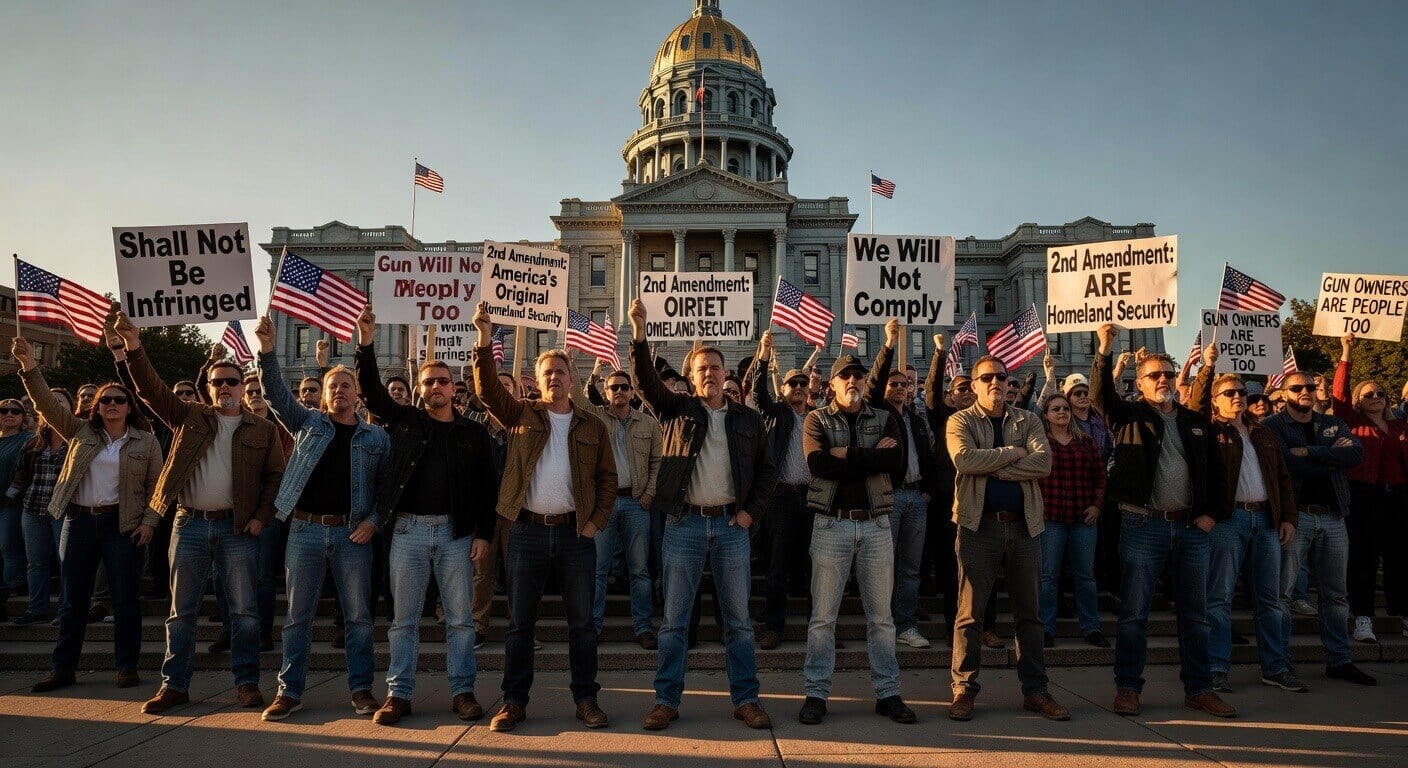
    Crowd of pro-Second Amendment supporters gathered outside the Colorado State Capitol building holding signs advocating for gun rights

    What the Bill Targets

    HB26-1021 takes direct aim at several controversial measures that have burdened law-abiding gun owners. Among the provisions on the chopping block are magazine capacity limits, overly broad assault weapon definitions, and redundant permitting hurdles that do little for public safety but plenty to inconvenience responsible citizens. By stripping these away, the bill restores balance and recognizes that criminals ignore laws while honest Coloradans simply want to defend their families and enjoy their constitutional freedoms.

    Why This Matters Now

    With crime rates climbing in certain urban areas and self-defense stories making headlines, the timing couldn’t be better. This isn’t about arming everyone—it’s about removing artificial barriers that treat every gun owner like a potential threat. Supporters argue the measure reinforces the fundamental principle that the Second Amendment protects an individual right, not a privilege granted by the state. As the bill moves forward, it sends a clear message: Colorado is ready to prioritize liberty over bureaucratic control.

    Grassroots organizations and everyday shooters are mobilizing to keep the momentum going. Contact your representatives, attend hearings, and make your voice heard—because every repeal brings us one step closer to a state where constitutional carry and personal responsibility reign supreme.

    Join the Fight - Second Amendment Foundation

    References

  • Florida HOA Bans Firearms in Common Areas, Draws AG Warning and 2A Pushback

    Florida HOA Bans Firearms in Common Areas, Draws AG Warning and 2A Pushback

    In a move that has ignited fresh outrage among gun owners across the Sunshine State, the Tradition Community Association in Port St. Lucie has decided its residents no longer have the right to exercise their Second Amendment freedoms in the very spaces they pay to maintain. Parks, trails, town squares, and other common areas are now off-limits to firearms—even for those with valid concealed carry permits. The policy isn’t just tone-deaf; it directly clashes with Florida’s strong protections for lawful gun owners.

    Aerial view of a Florida community park and walking trail surrounded by residential homes under a clear blue sky

    Florida Attorney General James Uthmeier wasted no time issuing a formal warning that the resolution violates state preemption laws. Those statutes make it crystal clear: local governments, HOAs, and busybody boards cannot create their own gun-free zones that override the constitutional rights of permit holders. This isn’t some gray area—the law is designed to stop exactly this kind of overreach.

    HOA Overreach Meets Real Resistance

    Residents and Second Amendment advocates are pushing back hard. Many see this as yet another example of private associations attempting to play government, stripping law-abiding citizens of their ability to defend themselves while criminals continue to ignore signs and rules. The irony is hard to miss: people who live in these communities already surrender a degree of freedom through covenants and fees, yet some boards keep pushing the line further into personal liberty.

    State preemption exists for a reason. Florida lawmakers recognized long ago that patchwork local gun rules create confusion and erode rights. The AG’s letter reinforces that principle and serves as a reminder that no homeowners association gets to rewrite the Florida Constitution by majority vote of a boardroom.

    Why This Matters Beyond One Community

    Today it’s parks and trails in Port St. Lucie. Tomorrow it could be another neighborhood association in another county testing the same limits. Gun owners across Florida are watching closely because these cases set precedents. When an HOA tries to ban constitutionally protected carry in shared spaces, it signals a broader willingness to treat the Second Amendment as optional rather than fundamental.

    The pushback is already building. Expect letters, public records requests, and organized resident campaigns demanding the resolution be rescinded. Florida’s strong pro-2A culture doesn’t take kindly to being told where and when citizens may exercise their rights—especially on property they collectively own and fund.

    Law-abiding gun owners aren’t the problem here. Overreaching boards that forget their role are. The Attorney General’s warning is a welcome line in the sand, and Tradition residents would be wise to use every legal tool available to restore their full rights in the common areas they already pay for.

    Join the Fight - Second Amendment Foundation

    References

  • Arkansas Right to Keep and Bear Arms Amendment Heads to 2026 Ballot

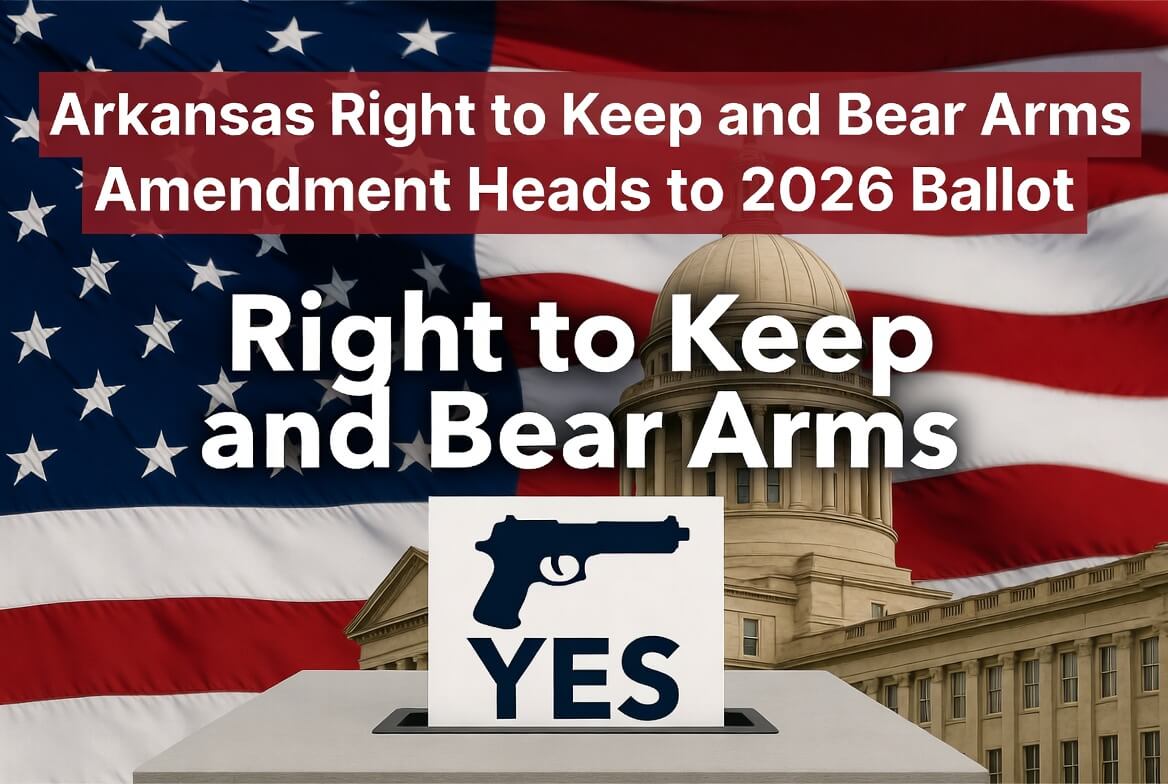
    Arkansas Right to Keep and Bear Arms Amendment Heads to 2026 Ballot

    Big news out of the Natural State is sending ripples through the firearms community. Arkansas lawmakers just green-lit Senate Joint Resolution 11, clearing the path for voters to enshrine an explicit right to keep and bear arms in the state constitution on the 2026 ballot. This isn’t window dressing—it’s a direct, proactive move to lock in protections for lawful hunting, recreation, self-defense, and every other legitimate purpose gun owners hold dear.

    Arkansas State Capitol building under a clear blue sky with the American and Arkansas flags flying

    For too long, state constitutions have left Second Amendment protections vulnerable to creative reinterpretation by activist judges and anti-gun legislators. SJR 11 slams the door on that ambiguity. By spelling out the right in plain language, Arkansas is telling future politicians that the people’s right to arms isn’t up for negotiation or erosion through backdoor regulations.

    Why This Matters for Everyday Gun Owners

    Hunters, competitive shooters, and families who value personal protection all stand to benefit. The amendment would explicitly cover:

    • Lawful hunting and trapping traditions that have defined Arkansas culture for generations
    • Recreational shooting at ranges and on private land
    • Responsible self-defense inside and outside the home
    • The simple act of owning and carrying firearms without fear of arbitrary state overreach

    This kind of language creates a sturdy legal shield. When the next wave of magazine bans, permitting schemes, or “sensitive place” restrictions inevitably arrives, courts will have clear constitutional text to reference instead of vague federal interpretations.

    A Model for Other States

    Arkansas is joining a growing list of states that refuse to rely solely on the U.S. Constitution for protection. Constitutional carry already enjoys strong support here, and this amendment would reinforce that foundation. Lawmakers who backed SJR 11 deserve credit for recognizing that rights must be actively defended at every level of government.

    Between now and 2026, expect the usual suspects to spin this as “extreme” or “unnecessary.” Don’t buy it. An explicit state constitutional right simply mirrors what the Founders intended and what the vast majority of Arkansans already support. The ballot measure gives citizens the final say—the way it should be.

    Mark your calendars. When 2026 rolls around, showing up to vote “yes” on this amendment is one of the most direct ways to safeguard our rights for the next generation. Arkansas is proving that strong pro-2A leadership still exists at the state level, and the rest of the country would do well to follow suit.

    Join the Fight - Second Amendment Foundation

    References

  • West Virginia SB 1071 Proposes State Sale of Machine Guns to Qualified Citizens

    West Virginia SB 1071 Proposes State Sale of Machine Guns to Qualified Citizens

    In a bold move that could reshape the landscape of firearm rights in America, West Virginia lawmakers are pushing forward with Senate Bill 1071, known as the Public Defense and Provisioning Act. This legislation isn’t just another gun bill—it’s a direct challenge to federal restrictions, leveraging clever loopholes to put fully automatic firearms into the hands of qualified citizens through state channels.

    West Virginia State Capitol building with American flag waving in the foreground

    The bill would create an Office of Public Defense inside the West Virginia State Police. This new office would purchase machine guns in bulk and then sell them directly to eligible residents. Because the transfers flow through a government entity, they sidestep the Hughes Amendment’s ban on civilian ownership of new machine guns under the National Firearms Act. It’s a creative use of existing federal exemptions that treats citizens as part of the state’s defensive apparatus.

    Why This Matters for Liberty

    At its core, SB 1071 recognizes that the Second Amendment isn’t about hunting or sport—it’s about the people’s ability to defend themselves against threats, whether criminal or governmental. West Virginia has long stood as a beacon for gun owners, and this proposal takes that tradition to the next level by making advanced weaponry accessible without the usual bureaucratic nightmare of Form 4 transfers and endless ATF delays.

    Qualified buyers would still undergo rigorous background checks and training, ensuring only responsible, law-abiding adults gain access. This isn’t about arming everyone indiscriminately; it’s about empowering those who already meet strict standards to own the same tools used by law enforcement and military units.

    Countering Federal Overreach

    Federal gun control has steadily chipped away at our rights for decades, with the Hughes Amendment serving as one of the most blatant examples of unconstitutional overreach. By routing sales through the state police, West Virginia is asserting its sovereignty and reminding Washington that states can innovate around bad federal policy. This approach could inspire similar legislation across the country, turning the tables on decades of incremental disarmament.

    Supporters argue this strengthens the militia concept embedded in the Constitution. When citizens can acquire the same equipment as government forces, it restores balance and deters tyranny. In an era of rising crime and uncertain times, having access to effective defensive tools isn’t radical—it’s common sense.

    West Virginia’s move proves that pro-Second Amendment states don’t have to wait for Congress to fix broken laws. They can take matters into their own hands and deliver real results for gun owners. If SB 1071 passes, it won’t just be a win for West Virginians—it could mark the beginning of a nationwide resurgence in true firearm freedom.

    Join the Fight - Second Amendment Foundation

    References

  • NCLA Files Federal Lawsuit Challenging Illinois FOID Card Act as Unconstitutional Gun Licensing Mandate

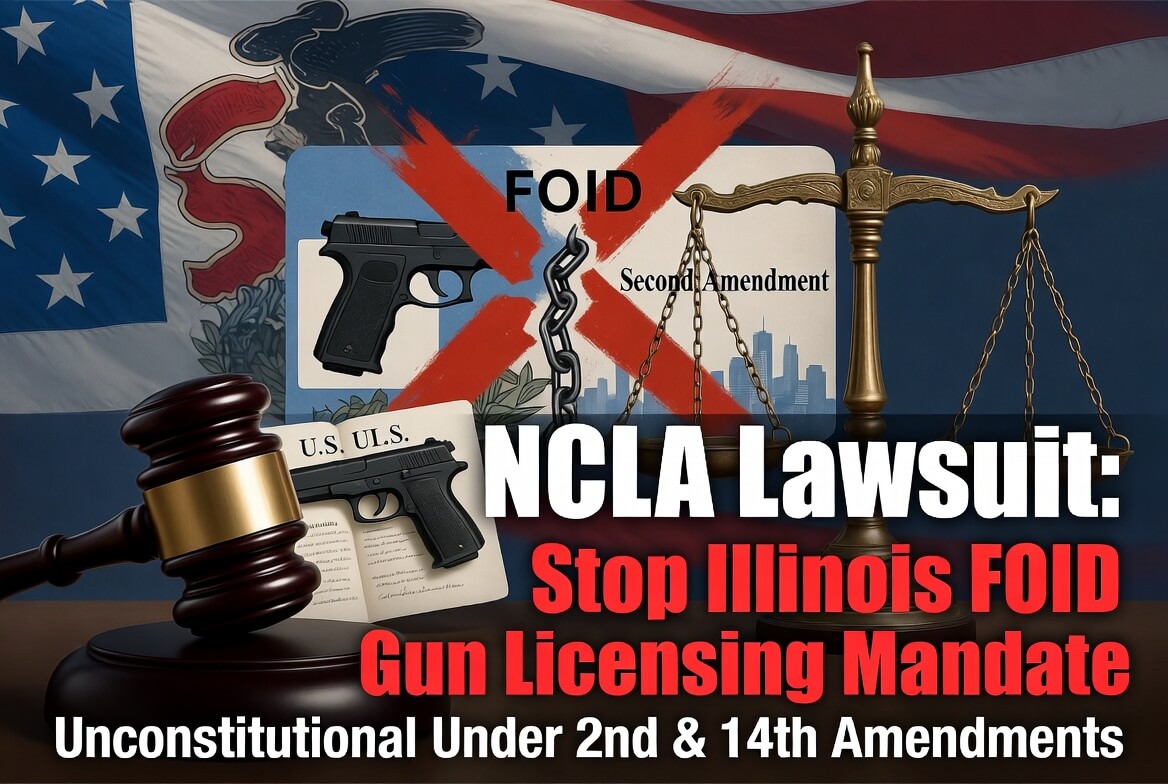
    NCLA Files Federal Lawsuit Challenging Illinois FOID Card Act as Unconstitutional Gun Licensing Mandate

    In a groundbreaking legal challenge that strikes at the heart of government overreach, the New Civil Liberties Alliance has taken Illinois to federal court over its notorious FOID Card Act. This lawsuit isn’t just paperwork—it’s a direct assault on the unconstitutional idea that law-abiding citizens need state permission to exercise their God-given right to keep and bear arms, even in the sanctity of their own homes.

    Dramatic image of a federal courthouse with an American flag and a Second Amendment advocate holding a legal brief

    The Heart of the FOID Fight

    Illinois stands alone as the only state that demands a Firearm Owners Identification card just to possess a single firearm or round of ammunition. The three plaintiffs represented by NCLA—ordinary Americans who simply want to defend themselves and their families—argue this scheme violates both the Second Amendment and the Fourteenth Amendment’s Due Process and Equal Protection clauses. Requiring prior government approval for a fundamental constitutional right is the very definition of prior restraint, a concept the Supreme Court has repeatedly rejected in other contexts.

    Why This Lawsuit Matters for Every American

    Think about it: under the FOID Act, you can’t even keep a shotgun in your closet for home defense without first begging bureaucrats for a card. This isn’t “common sense”—it’s a licensing regime that treats millions of responsible gun owners like potential criminals until proven otherwise. The NCLA’s complaint highlights how this system creates unnecessary barriers, delays, and outright denials that have nothing to do with public safety and everything to do with control.

    Drawing on the Supreme Court’s clear directives in Bruen and Heller, the lawsuit dismantles the notion that states can impose such sweeping restrictions on core Second Amendment conduct. Home self-defense sits at the very center of what the Founders protected. Forcing citizens to obtain state permission first flips the Constitution on its head.

    Looking Ahead

    This case could set a powerful precedent far beyond Illinois’ borders. If the courts recognize that FOID-style licensing schemes are incompatible with our constitutional order, other states eyeing similar restrictions will think twice. Gun owners across the country are watching—and cheering—this direct challenge to tyranny disguised as regulation.

    The right to bear arms shouldn’t require a permission slip from Springfield. It’s time the courts reminded Illinois officials exactly where the Constitution draws the line.

    Join the Fight - Second Amendment Foundation

    References

  • Ninth Circuit Court of Appeals Strikes Down California Ammunition Background Check Law

    Ninth Circuit Court of Appeals Strikes Down California Ammunition Background Check Law

    In a landmark decision that’s sending shockwaves through the gun control community, the Ninth Circuit Court of Appeals has finally put an end to California’s burdensome ammunition background check system. After nearly eight years of legal battles, this ruling represents a significant victory for law-abiding gun owners who have long fought against unnecessary barriers to exercising their Second Amendment rights.

    Dramatic image of a courtroom gavel striking down a California law document with the Ninth Circuit seal visible

    California’s ammunition purchase requirements forced millions of responsible citizens to jump through hoops just to buy basic ammo for self-defense, sport shooting, and hunting. The process involved background checks at every transaction, creating delays, fees, and privacy concerns that did little to enhance public safety but plenty to infringe on constitutional freedoms.

    Years of Relentless Litigation Pay Off

    This wasn’t an overnight win. Gun rights organizations and individual plaintiffs endured multiple rounds of appeals, district court rulings, and bureaucratic resistance. The Ninth Circuit’s decision acknowledges what pro-2A advocates have argued all along: these restrictions fail to meet constitutional muster under modern Second Amendment scrutiny. Lawful purchasers shouldn’t be treated like criminals for simply stocking up on ammunition.

    The ruling opens the door for Californians to once again purchase ammo without the previous red tape. Retailers across the state can expect increased foot traffic as pent-up demand is finally released, and shooters can focus on training and preparedness rather than navigating a flawed government database.

    Well-stocked ammunition shelves in a California gun store with happy customers in the background

    What This Means for Gun Owners Statewide

    Expect ammunition prices to stabilize and availability to improve as the market responds to reduced regulatory friction. More importantly, this decision reinforces that the right to keep and bear arms includes the ability to acquire the necessary components without undue interference. Other states watching California’s experiment should take note—overreaching ammo control measures are vulnerable to legal challenge.

    Second Amendment supporters are celebrating this as further evidence that persistent advocacy and strategic litigation can roll back unconstitutional policies. The fight continues, but today’s Ninth Circuit ruling proves that the Constitution still protects the rights of the people.

    Join the Fight - Second Amendment Foundation

    References

  • Wyoming Bill HB 0039 Advances Recognition of Out-of-State Firearm Rights Restorations for Non-Violent Offenders

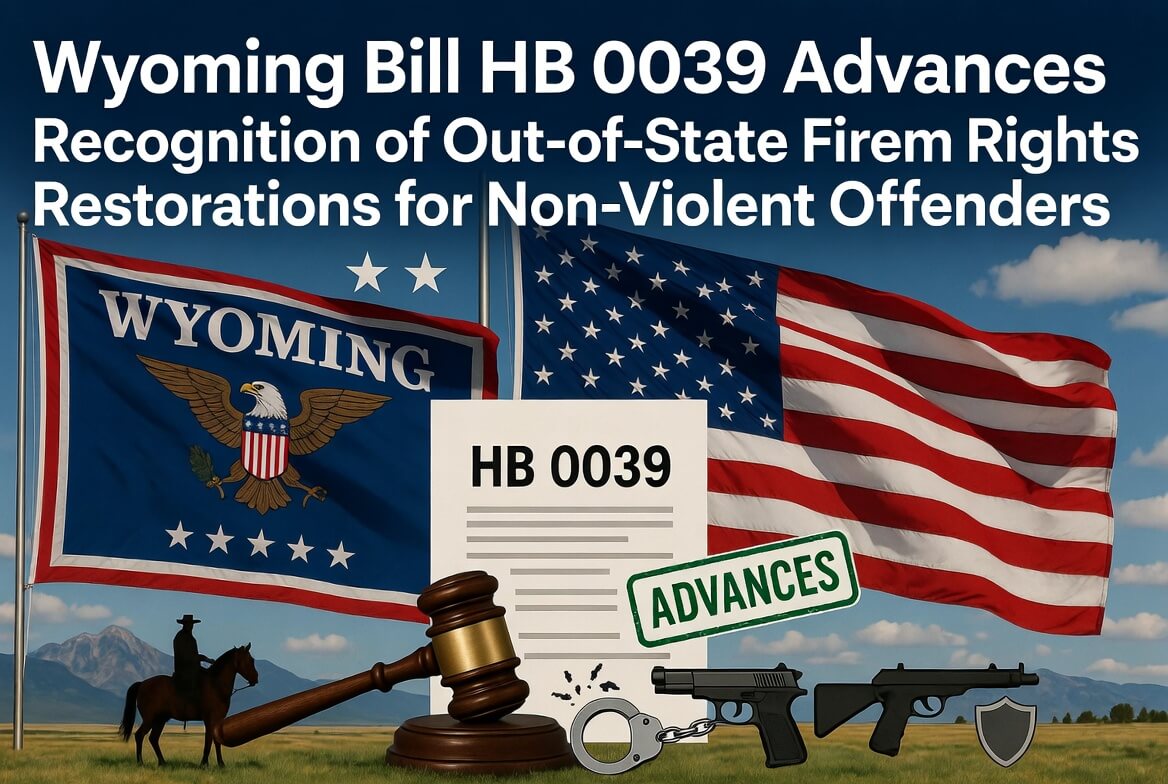
    Wyoming Bill HB 0039 Advances Recognition of Out-of-State Firearm Rights Restorations for Non-Violent Offenders

    Wyoming is stepping up once again to defend the rights of law-abiding citizens with HB 0039, a smart piece of legislation that ensures firearm rights restored in one state carry weight across state lines for non-violent offenders. This bill closes loopholes left by earlier laws, making it clear that Wyoming will honor out-of-state restorations instead of forcing good people to jump through unnecessary hoops just to exercise their Second Amendment freedoms.

    Lawmakers in Cheyenne recognize that a single mistake shouldn’t define a person’s life forever, especially when it involves non-violent offenses. By aligning Wyoming’s policies with those of other states, HB 0039 promotes fairness and reduces the patchwork of conflicting rules that too often trap reformed citizens in legal limbo. It’s about consistency, common sense, and standing up for the principle that rights restored elsewhere shouldn’t vanish at the border.

    Detailed image of Wyoming state capitol lawmakers discussing firearm rights legislation

    Supporters point out how this move strengthens interstate reciprocity in gun rights, much like how concealed carry permits are already respected in many places. Non-violent offenders who have completed their sentences and earned back their rights in their home states deserve the same respect when traveling or relocating to Wyoming. This isn’t about arming criminals—it’s about protecting the freedoms of those who have paid their dues and proven they’re responsible citizens.

    As the debate moves forward, HB 0039 stands as a reminder that true Second Amendment advocacy means fighting for practical solutions that expand liberty rather than restrict it. Wyoming has a proud tradition of defending gun owners, and this bill fits right in by cutting through bureaucracy and affirming that restored rights are restored rights—no matter the state line. If passed, it could set a positive example for other states looking to honor the Constitution without creating unnecessary barriers.

    Join the Fight - Second Amendment Foundation

    References

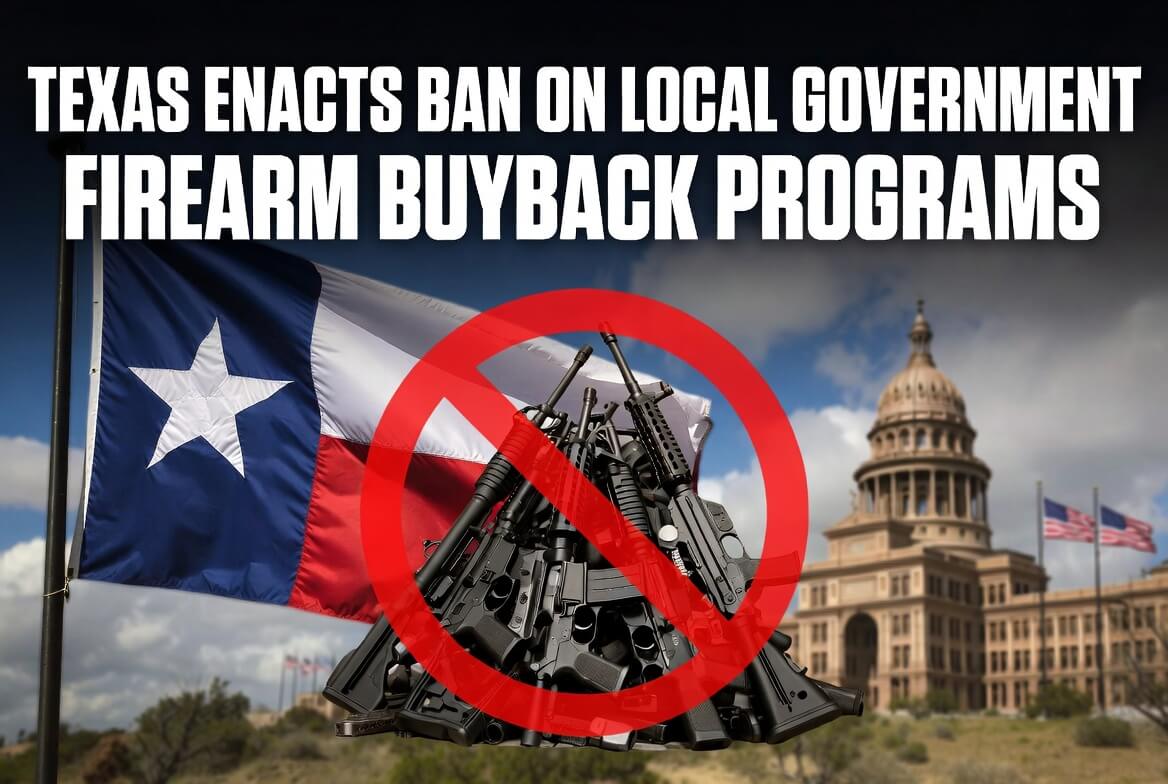
  • Texas Enacts Ban on Local Government Firearm Buyback Programs

    Texas Enacts Ban on Local Government Firearm Buyback Programs

    Texas is once again proving why it’s a beacon for Second Amendment enthusiasts across the nation. In a bold move that puts local governments in check, the Lone Star State has signed into law a measure that shuts down city and county-run gun buyback schemes once and for all. This isn’t just another regulation—it’s a direct affirmation that Texans won’t stand for schemes designed to chip away at our constitutional rights under the guise of “public safety.”

    The new legislation makes it crystal clear: no more taxpayer-funded events where law-abiding citizens are pressured to surrender their firearms for gift cards or cash. Cities and counties are now explicitly barred from organizing, sponsoring, or even participating in these programs. The ban takes effect in September 2025, giving officials plenty of time to pivot away from ineffective policies that have long been criticized by gun rights advocates.

    Critics of buyback programs have long pointed out their flaws. These initiatives rarely, if ever, target criminals who obtain guns illegally. Instead, they often collect family heirlooms, sporting rifles, and handguns from responsible owners who simply want to downsize their collections. Data from similar efforts nationwide shows minimal impact on crime rates, while creating a false sense of progress that distracts from real solutions like prosecuting violent offenders. Texas lawmakers saw through the smoke and mirrors, prioritizing individual liberty over symbolic gestures.

    For Texas gun owners, this represents a major win. It reinforces the principle that the right to keep and bear arms isn’t up for negotiation at the local level. With the state’s strong preemption laws already in place, this ban adds another layer of protection, ensuring uniform statewide standards that favor freedom over fragmented restrictions. Gun enthusiasts from Houston to El Paso can breathe easier knowing their property rights are shielded from overzealous municipal experiments.

    This development also sends a powerful message to other states watching the debate unfold. As federal discussions around gun control continue to ebb and flow, Texas is demonstrating that strong state-level defenses can preserve our heritage of self-reliance and marksmanship. Whether you’re a hunter, a competitive shooter, or simply someone who values the ability to protect your home and family, this law underscores that the fight for our rights is far from over—it’s evolving and winning on key fronts.

    Join the Fight - Second Amendment Foundation

    References

  • ATF Announces Landmark Regulatory Reform Package to Reduce Burdens on Gun Owners and Businesses

    ATF Announces Landmark Regulatory Reform Package to Reduce Burdens on Gun Owners and Businesses

    In a move that has sent ripples of excitement through the firearms community, the Bureau of Alcohol, Tobacco, Firearms and Explosives (ATF) and the Department of Justice have unveiled an ambitious set of regulatory changes aimed squarely at easing the load on law-abiding gun owners and Federal Firearms Licensees alike. This coordinated release of 34 proposed and final rules under the banner of a “New Era of Reform” represents a significant shift toward modernizing decades-old regulations that have long frustrated the Second Amendment community.

    https://www.atf.gov/news/press-releases/doj-and-atf-announce-regulatory-reforms-to-reduce-burdens-law-abiding-gun-owners-and-businesses

    The timing couldn’t be better. Released in late April 2026 and aligned with executive actions protecting constitutional carry rights, these reforms target everything from outdated recordkeeping requirements to cumbersome NFA processes. FFL holders can expect streamlined operations that cut through red tape, allowing more focus on serving customers rather than wrestling with paperwork.
    Key highlights include clarified compliance guidelines under both the National Firearms Act and Gun Control Act, which promise to reduce ambiguous interpretations that have previously led to unnecessary enforcement actions. Gun owners will benefit from simplified transfer procedures and reduced administrative hurdles when dealing with suppressors, short-barreled rifles, and other NFA items. Businesses, meanwhile, gain clearer pathways for inventory management and reporting, potentially lowering operational costs across the industry.
    This package doesn’t just tweak minor details—it modernizes the entire framework. By prioritizing efficiency and fairness, the reforms acknowledge that responsible firearms ownership is a protected right, not a privilege subject to endless bureaucratic hurdles. Industry leaders are already hailing the changes as a long-overdue correction that strengthens the ecosystem supporting America’s gun culture.
    Looking ahead, these updates could pave the way for even greater innovations in compliance technology and training resources. For enthusiasts and professionals tracking ATF developments, this moment marks an encouraging step forward—one that reinforces the principle that regulations should enable, not obstruct, the exercise of Second Amendment freedoms. Stay tuned as the public comment periods unfold and the full impact takes shape.

    Join the Fight - Second Amendment Foundation

    References

  • NRA Files Lawsuit Challenging Michigan’s License-to-Purchase Regime

    NRA Files Lawsuit Challenging Michigan’s License-to-Purchase Regime

    In a decisive strike against government overreach, the National Rifle Association has launched a federal lawsuit targeting Michigan’s license-to-purchase system for firearms. This regime forces law-abiding citizens to navigate bureaucratic hurdles just to exercise a fundamental constitutional right, and the NRA is calling it out as an unconstitutional barrier that cannot stand.

    The complaint highlights how Michigan’s requirements demand extensive paperwork, fees, and waiting periods even for basic handgun acquisitions. These layers of red tape do nothing to enhance public safety but instead punish responsible adults who simply want to protect their families and exercise their Second Amendment freedoms. Historical analysis shows that such permitting schemes echo past efforts to disarm certain populations, a tactic the Founders explicitly rejected when they enshrined the right to keep and bear arms.

    NRA Files Lawsuit Challenging Michigan’s License-to-Purchase Regime – NRA-ILA
    NRA Files Lawsuit Challenging Michigan’s License-to-Purchase Regime – NRA-ILA

    Critics of the lawsuit often claim these rules prevent crime, yet data from shall-issue states demonstrates that easing restrictions on lawful carry correlates with stable or declining violent crime rates. Michigan’s approach instead creates a de facto registry and delays that disproportionately affect rural residents, minorities, and those in high-crime urban areas who need self-defense tools most. The NRA’s legal team is armed with Supreme Court precedents like Bruen, which demands that any modern restriction must align with the nation’s historical tradition of firearm regulation—something Michigan’s license system fails to satisfy.

    Lawmakers pushing these permits frequently ignore the real-world impact: thousands of Michiganders face months-long backlogs, background check delays, and arbitrary denials. This isn’t about safety; it’s about control. Every day the system remains in place, it chills the exercise of a core liberty that predates the Constitution itself.

    The lawsuit seeks to dismantle these barriers and restore the presumption that peaceable citizens may acquire and carry arms without prior government permission. Supporters across the state are rallying behind the effort, recognizing that victories here will set precedents protecting gun owners nationwide from similar schemes.

    As the case moves forward, it serves as a reminder that the Second Amendment is not a privilege granted by politicians but an individual right that demands vigilant defense. The NRA’s action puts Michigan officials on notice: unconstitutional burdens on lawful firearm ownership will face swift and determined legal resistance.

    Join the Fight - Second Amendment Foundation

    References

  • Third Circuit En Banc Panel Hears Arguments on New Jersey Sensitive Places Carry Restrictions and Rights Restoration

    Third Circuit En Banc Panel Hears Arguments on New Jersey Sensitive Places Carry Restrictions and Rights Restoration

    The battle for constitutional carry rights took center stage last week as an en banc panel of the Third Circuit Court of Appeals heard oral arguments in a pair of closely watched New Jersey cases. At stake are sweeping state restrictions that label everything from public parks and libraries to zoos and museums as off-limits to law-abiding gun owners, along with murky processes for restoring Second Amendment rights after minor legal troubles. These challenges, rooted in the Supreme Court’s Bruen framework, could reshape how states across the circuit—and potentially the nation—define “sensitive places” and who qualifies as a rights-bearing citizen.
    En banc Third Circuit courtroom with judges listening to arguments on New Jersey gun restrictions
    New Jersey’s sensitive-places regime goes far beyond the narrow historical exceptions the Supreme Court recognized in Bruen. Plaintiffs rightly pointed out that colonial-era laws never banned firearms in ordinary public parks or community libraries—places millions of Americans visit daily without incident. Instead, the state’s list functions as a de facto gun-free zone map that disarms permit holders in areas where self-defense needs are real and documented. Judges on the panel pressed state attorneys on historical analogues, exposing the thin record supporting such broad prohibitions.

    The rights-restoration component adds another layer of urgency. Several plaintiffs seek to regain their ability to carry after old, non-violent issues that no longer justify permanent disarmament under any historical tradition. The arguments highlighted how New Jersey’s opaque administrative hurdles effectively create a lifetime ban for some, contradicting the individual-rights understanding affirmed in Heller and Bruen. A favorable ruling here would reinforce that the Second Amendment isn’t a privilege granted by bureaucrats but a fundamental protection that states cannot casually strip away.

    Observers noted the panel’s skepticism toward the state’s expansive claims, with several judges questioning whether New Jersey’s approach aligns with the nation’s founding-era understanding of the right to bear arms. Whatever the outcome, the decision will likely influence similar litigation in Pennsylvania and Delaware while sending a clear signal to other anti-gun states eyeing broad “sensitive places” schemes. For Garden State gun owners and supporters nationwide, these arguments represent another front in the ongoing fight to keep the Second Amendment meaningful in practice, not just on paper. Stay engaged—your rights depend on it.

    Join the Fight - Second Amendment Foundation

    References

  • Trump Administration Proposes Sweeping Reductions in Federal Firearm Regulations

    Trump Administration Proposes Sweeping Reductions in Federal Firearm Regulations

    In a bold move that has energized Second Amendment advocates across the nation, the Trump administration is taking direct aim at years of regulatory overreach by the ATF. With dozens of proposed rule changes now on the table, this initiative promises to slash unnecessary federal red tape surrounding firearm sales, licensing, transportation, and dealer operations. Gun owners who have long chafed under expanding bureaucratic hurdles are finally seeing a pathway back to sensible, Constitution-respecting oversight.

    Reversing Prior Overreach

    Central to the proposal is the repeal of the expanded “dealer” definition pushed through during previous administrations. That rule had forced many occasional sellers and hobbyists into full Federal Firearms Licensee status, complete with mountains of paperwork and compliance costs. By rolling it back, the administration aims to restore clarity so that private citizens can once again engage in occasional transfers without fear of criminalization for simply exercising their rights.

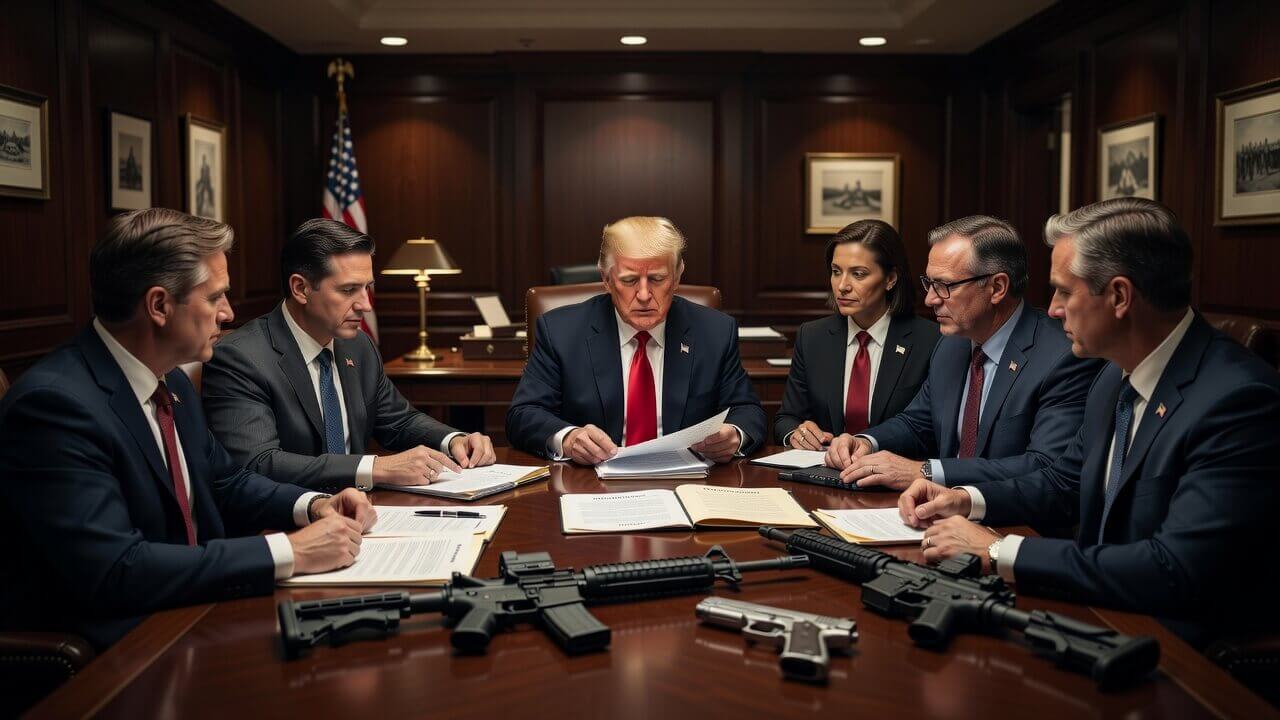
    President Trump reviewing ATF regulatory rollback documents alongside pro-Second Amendment advisors

    Practical Benefits for Everyday Americans

    Transportation rules are also getting a much-needed overhaul. Law-abiding gun owners who travel between states for hunting, competition, or family visits will see simplified requirements that respect the fundamental right to keep and bear arms without arbitrary state-line hurdles. Licensing processes are targeted for streamlining as well, cutting down on delays that have frustrated new and experienced shooters alike.

    These changes don’t eliminate background checks or legitimate safety measures—they simply remove the layers of regulatory mission creep that turned minor paperwork errors into potential felonies. Supporters argue this returns the focus of federal agencies to actual criminals rather than harassing lawful citizens.

    A Win for Constitutional Principles

    From ranges in Texas to gun shops in Pennsylvania, the reaction has been overwhelmingly positive. This package of reforms signals that the federal government is finally listening to the millions of Americans who view the Second Amendment as a cornerstone of liberty, not a privilege to be micromanaged. With fewer obstacles in place, responsible ownership can flourish, training can expand, and the firearms community can continue building a culture of safety and preparedness without constant fear of new bureaucratic traps.

    As these proposals move through the review process, the message from gun owners is clear: keep the momentum going. Less regulation on the law-abiding means more resources aimed at the true threats—and that’s exactly how our constitutional rights are meant to work.

    Join the Fight - Second Amendment Foundation

    References