Tag: Gun Rights

  • Supreme Court Rules Unlawful Drug Users May Legally Possess Firearms in 9-0 Decision

    Supreme Court Rules Unlawful Drug Users May Legally Possess Firearms in 9-0 Decision

    In a stunning affirmation of constitutional principles, the Supreme Court delivered a unanimous 9-0 ruling that dismantles key parts of the federal ban on firearm possession by certain drug users. This decision in the Ali Hemani case marks a major step forward for individual liberty, rejecting the notion that the government can strip Americans of their Second Amendment rights based on outdated and overly broad prohibitions from the 1986 Gun Control Act.
    Dramatic wide-angle view of the U.S. Supreme Court building at sunrise with an American flag waving prominently in the foreground
    The Court found that the lifetime prohibition on gun ownership for unlawful drug users fails historical and constitutional scrutiny under the Second Amendment. Rather than treating this as a blanket disqualification, the justices emphasized that such restrictions must align with the nation’s founding-era traditions of firearm ownership. This ruling effectively dismisses prosecutions that relied on vague or minor drug-related conduct without evidence of actual danger or violence.
    Gun owners and constitutional scholars alike are hailing the decision as a long-overdue correction. For decades, the 1986 law cast too wide a net, ensnaring individuals who posed no threat yet faced felony charges simply for exercising their right to keep and bear arms. The Hemani case exposed how these rules often targeted everyday Americans rather than hardened criminals, turning law-abiding citizens into targets of federal overreach.
    This unanimous outcome sends a clear message to lawmakers: future gun control efforts must respect the plain text and historical understanding of the Second Amendment. Expect renewed challenges to other status-based bans, from domestic violence misdemeanors to mental health adjudications, as courts apply the same rigorous review. The ruling reinforces that the right to self-defense belongs to the people, not subject to bureaucratic whims or shifting political priorities.
    Pro-Second Amendment groups are already preparing to build on this momentum in lower courts. With the Supreme Court’s backing, millions of Americans can breathe easier knowing their fundamental rights receive stronger protection against arbitrary disarmament. This isn’t just a win for one defendant—it’s a victory that strengthens the entire framework of liberty for generations to come.

    Join the Fight - Second Amendment Foundation

    References

  • North Carolina Repeals Long-Standing Handgun Permit-to-Purchase Requirement

    North Carolina Repeals Long-Standing Handgun Permit-to-Purchase Requirement

    In a landmark decision that champions individual liberty, North Carolina has finally scrapped its outdated handgun permit-to-purchase requirement, ending a century-old barrier that stood between law-abiding citizens and their Second Amendment rights. This move isn’t just a policy tweak—it’s a powerful affirmation that responsible adults shouldn’t need government permission slips to exercise a fundamental freedom.

    A Relic of the Past Meets Modern Realities

    For generations, North Carolinians faced an extra layer of bureaucracy just to buy a handgun. The old system demanded a sheriff-issued permit, complete with fingerprints, fees, and waiting periods that often stretched beyond what’s reasonable. While supporters claimed it kept guns out of the wrong hands, the reality showed it disproportionately burdened everyday citizens—hunters, homeowners, and those simply seeking self-defense—without delivering measurable safety gains. Background checks through the federal NICS system already handle that screening effectively nationwide.

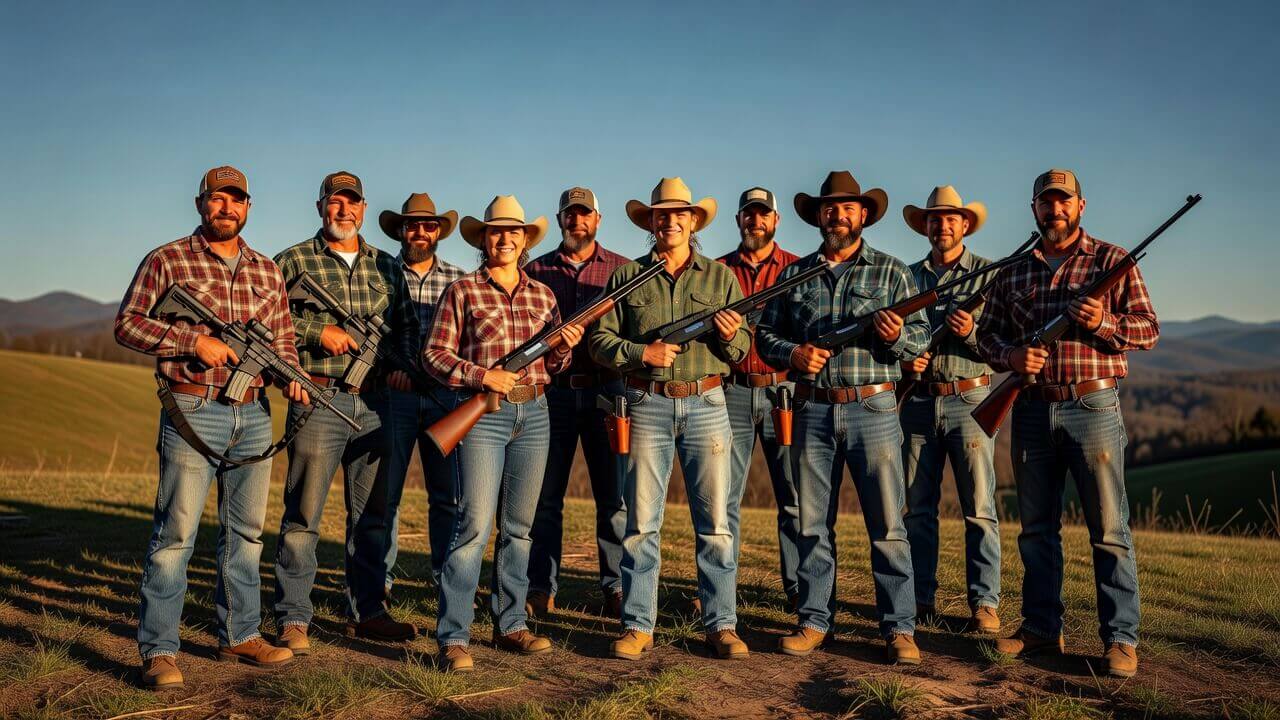
    North Carolina residents proudly displaying firearms in a rural setting under clear skies

    Why This Repeal Matters for Gun Owners

    By eliminating the permit mandate, the state has streamlined the process and reinforced the principle that the right to keep and bear arms belongs to the people, not subject to arbitrary local gatekeepers. Pro-2A advocates across the country are hailing this as a common-sense victory that aligns with constitutional carry trends sweeping other states. Law-abiding buyers can now focus on selecting the right firearm for protection or sport rather than navigating red tape.

    Critics of the change often cite concerns over rising gun violence, yet data from states with fewer purchase restrictions consistently shows that armed, trained citizens deter crime more effectively than bureaucratic hurdles. North Carolina’s mixed legislative history on firearms—balancing some restrictions with growing recognition of rights—makes this repeal a standout step toward consistency with the Founders’ vision.

    Looking Ahead: A Stronger Stand for Freedom

    This reform opens doors for new gun owners while empowering existing ones. It sends a clear message to other states still clinging to permit-to-purchase schemes: the era of treating the Second Amendment like a privilege is fading. Expect increased participation in training courses, range time, and responsible ownership as barriers fall.

    Symbolic image of the American flag alongside a modern handgun representing constitutional rights

    North Carolina’s decision proves that restoring access to firearms ownership strengthens communities by fostering self-reliance and deterrence. As the debate continues, one truth remains: protecting the right to bear arms isn’t about politics—it’s about preserving the liberty that defines America.

    Join the Fight - Second Amendment Foundation

    References

  • VA Ends Automatic NICS Reporting for Veterans Needing Fiduciaries, Restoring Gun Rights to Nearly 200,000 in 2026

    VA Ends Automatic NICS Reporting for Veterans Needing Fiduciaries, Restoring Gun Rights to Nearly 200,000 in 2026

    This landmark decision by the Department of Veterans Affairs marks a significant victory for Second Amendment advocates and the nearly 200,000 veterans who have long been caught in an unfair bureaucratic trap. For years, simply needing help managing VA benefits through a fiduciary meant automatic placement on the FBI’s NICS prohibited list, stripping these patriots of their constitutional right to keep and bear arms without any due process or individualized assessment of danger.

    The policy reversal ends this blanket reporting practice right away. Instead of treating fiduciary assistance as a scarlet letter that equates to mental incompetency, the VA will now evaluate cases on their merits. This change aligns far better with the Supreme Court’s recognition that the right to self-defense belongs to all law-abiding citizens, including those who served our nation in uniform.

    Group of American veterans standing together outdoors with firearms during a legal range day, symbolizing restored rights and camaraderie

    Critics of the old system rightly pointed out how it punished veterans for disabilities that had nothing to do with violence or public safety. Many of these individuals manage their finances with temporary support after combat injuries or service-related conditions, yet they faced lifetime firearm bans. Restoring access to the estimated 200,000 affected veterans strengthens the principle that government cannot casually disarm citizens who have already sacrificed so much.

    Pro-2A organizations and veterans’ groups have celebrated the move as long-overdue recognition that true mental health adjudications require clear evidence of risk, not administrative shortcuts. With implementation unfolding, millions of Americans who value individual liberty see this as proof that persistent advocacy can roll back overreach and return fundamental rights to those who earned them through service.

    Looking ahead, this development should encourage further scrutiny of how federal agencies interact with the NICS system overall. Veterans deserve the same presumption of innocence and constitutional protections as every other citizen, and today’s announcement brings us one step closer to that standard.

    Join the Fight - Second Amendment Foundation

    References

  • Registration Opens for 41st Annual Gun Rights Policy Conference in 2026

    Registration Opens for 41st Annual Gun Rights Policy Conference in 2026

    Second Amendment advocates, mark your calendars and prepare for an unmissable gathering of minds dedicated to preserving our constitutional freedoms. Registration has officially opened for the 41st Annual Gun Rights Policy Conference, set for September 2026 in sunny Phoenix, Arizona. This milestone event promises to be a powerhouse of strategy sessions, legal updates, and grassroots tactics that keep the fight for gun rights alive and winning.

    Spacious conference hall in Phoenix filled with engaged attendees discussing Second Amendment issues at the GRPC

    Building on the landmark Bruen decision, this year’s conference dives deep into post-Bruen litigation strategies that have already toppled unconstitutional restrictions nationwide. Attendees will explore how to leverage these victories in courtrooms from coast to coast while pushing back against new threats from anti-gun lawmakers. Expect candid discussions on state-level reforms that empower law-abiding citizens, from constitutional carry expansions to protections for the firearm industry.

    Who You’ll Meet and What You’ll Learn

    Top-tier attorneys from groups like the Second Amendment Foundation and the Firearms Policy Coalition will share insider updates on emerging legal challenges. Second Amendment scholars will break down the latest court rulings, while lawmakers and grassroots organizers reveal proven tactics for mobilizing communities and influencing policy at every level. Whether you’re a seasoned activist or new to the movement, the sessions will arm you with actionable tools to defend our rights against overreach.

    Phoenix provides the perfect backdrop for this gathering, blending Western heritage with a strong pro-2A community. From networking mixers to late-night strategy huddles, the event fosters connections that turn ideas into real-world impact. Past conferences have sparked major lawsuits and legislative wins—2026 promises even more.

    Why This Matters Now More Than Ever

    With elections looming and fresh attacks on our freedoms surfacing daily, staying informed isn’t optional—it’s essential. The GRPC equips you to counter narratives, support industry allies, and build coalitions that outlast any temporary political setback. Pro-2A voices thrive when we unite, and this conference is where that unity gets forged.

    Don’t wait to secure your spot. Head over to the official site and register today to join fellow patriots shaping the future of gun rights. Together, we’ll keep the flame of liberty burning bright for generations to come.

    Join the Fight - Second Amendment Foundation

    References

  • New Legal Strategy Challenges ATF Interpretation of 1986 Hughes Amendment on Machine Gun Ban

    New Legal Strategy Challenges ATF Interpretation of 1986 Hughes Amendment on Machine Gun Ban

    In the ongoing battle for Second Amendment freedoms, a fresh wave of legal innovation is taking aim at one of the most restrictive federal overreaches in modern gun control history. Gun rights advocates and constitutional scholars are crafting a bold new argument that could reshape access to machine guns for law-abiding citizens, particularly in states ready to push back against bureaucratic overreach.

    The Hughes Amendment, tacked onto the 1986 Firearm Owners’ Protection Act, has long been interpreted by the ATF as a blanket prohibition on the civilian ownership of machine guns manufactured after May 19, 1986. This reading effectively froze the supply of transferable machine guns, driving prices into the stratosphere and limiting options for collectors and enthusiasts. But experts now contend the ATF stretched the amendment’s text far beyond its plain meaning, ignoring key distinctions in the statute and the constitutional limits on federal power.

    Detailed image of a federal courtroom with documents and a gavel emphasizing Second Amendment litigation

    This reinterpretation gains serious traction in the post-Chevron landscape, where courts no longer rubber-stamp agency interpretations of ambiguous statutes. Without Chevron deference propping up the ATF’s expansive view, judges are free to apply traditional tools of statutory construction—and many legal minds believe the Hughes language simply does not support a total nationwide ban on post-1986 machine guns when read alongside the broader framework of the National Firearms Act.

    West Virginia and Kentucky stand out as prime testing grounds for this strategy. Both states boast strong pro-Second Amendment traditions and legislatures willing to explore creative legislation that could force federal courts to confront the ATF’s overreach head-on. Targeted state laws recognizing the right to manufacture or possess certain post-1986 machine guns for lawful purposes, paired with swift court challenges, could create the perfect vehicle for dismantling the current restrictions. Success here would not only restore access but also send a powerful message that states need not wait for federal permission to vindicate constitutional rights.

    Critics of the ATF’s long-standing position point to the amendment’s actual wording, which focused on prohibiting transfers rather than imposing an outright manufacturing ban. In an era where individual rights are receiving renewed judicial scrutiny, this distinction matters. Pro-2A organizations are already lining up amicus support and preparing model legislation, betting that clear-eyed courts will side with history, text, and the fundamental right to keep and bear arms—including the most effective defensive tools available.

    The stakes could not be higher. Restoring the ability for responsible citizens to own modern machine guns would mark a major victory against decades of incremental disarmament. As these cases move forward, every gun owner should watch closely—because a win in West Virginia or Kentucky could rewrite the rules nationwide.

    Join the Fight - Second Amendment Foundation

    References

  • ATF Announces 34 Rule Revisions to Simplify Suppressor Ownership and Deregulate Accessories

    ATF Announces 34 Rule Revisions to Simplify Suppressor Ownership and Deregulate Accessories

    In a major victory for gun owners across the nation, the Department of Justice and ATF have delivered long-overdue relief with a sweeping set of 34 rule changes. These revisions slash unnecessary hurdles for suppressor ownership while recognizing that law-abiding Americans deserve practical access to hearing protection without endless bureaucratic interference.

    ATF Director Robert Cekada speaking at a podium with American flags and firearm accessories in the background

    Under the leadership of new ATF Director Robert Cekada, the agency is finally prioritizing efficiency over obstruction. The package includes both final rules and proposed updates that cut through years of tangled paperwork requirements. Owners will soon enjoy streamlined applications, faster approvals, and clearer guidelines that treat suppressors as the safety tools they are rather than objects of suspicion.

    Interstate travel just got simpler too. Expanded protections now allow responsible citizens to transport their legally owned suppressors across state lines without jumping through multiple layers of prior approval. This change alone removes a significant barrier for hunters, sport shooters, and families who cross borders regularly for competitions or recreation.

    Manufacturers also benefit from reduced compliance burdens, which should translate into more innovation and availability of quality products. By deregulating certain accessories and clarifying rules that previously created gray areas, the revisions encourage American businesses to focus on building better gear instead of navigating regulatory minefields.

    Pro-Second Amendment groups have quickly praised the moves as a return to common-sense governance. Rather than expanding government control, these updates empower individuals to exercise their rights responsibly. As Director Cekada emphasized in the announcement, the focus remains on protecting public safety through voluntary compliance, not punishing law-abiding citizens with red tape.

    For everyday gun owners, the message is clear: your rights are being restored one practical reform at a time. Whether you’re a first-time suppressor buyer or a longtime enthusiast, these changes mean less time filling out forms and more time at the range enjoying the peace and quiet that comes with proper hearing protection.

    Stay informed and keep advocating. Reforms like these prove that consistent pressure for liberty can shift even entrenched agencies toward respecting the Constitution.

    Join the Fight - Second Amendment Foundation

    References

  • DOJ Civil Rights Division Establishes Second Amendment Section to Investigate Gun Rights Violations and Sue Unconstitutional Laws

    DOJ Civil Rights Division Establishes Second Amendment Section to Investigate Gun Rights Violations and Sue Unconstitutional Laws

    In a monumental victory for law-abiding gun owners across America, the Department of Justice’s Civil Rights Division under President Trump’s administration has launched a dedicated Second Amendment Section. This isn’t just bureaucratic reshuffling—it’s a full-throated federal commitment to enforcing our God-given right to keep and bear arms as a civil right. Announced in May 2026, this new unit is already gearing up to investigate patterns of gun rights violations by law enforcement agencies and sue cities and states pushing unconstitutional gun control schemes.

    A Game-Changer in Federal Enforcement

    For too long, the DOJ’s Civil Rights Division focused almost exclusively on other issues while anti-2A activists ran roughshod over the Constitution. No more. This specialized section will probe “patterns or practices” of infringements—like rogue police departments denying concealed carry permits based on discriminatory policies or cities enforcing post-Bruen holdouts that defy Supreme Court rulings.

    Acting Assistant Attorney General Harmeet Dhillon laid it out plainly: “The Second Amendment is not a second-class right. Violations of it are civil rights violations, plain and simple.” The unit’s mandate draws directly from landmark decisions like New York State Rifle & Pistol Association v. Bruen (2022) and United States v. Rahimi (2024), which clarified that gun laws must align with our nation’s historical tradition of firearm regulation. Anything less? It’s fair game for federal lawsuits.

    “This Section will ensure that law enforcement agencies respect the Second Amendment just as they do other civil rights. We’re treating gun rights with the seriousness they deserve.” — DOJ Civil Rights Division Statement

    Active Lawsuits Targeting Unconstitutional Strongholds

    The action has already begun. The Second Amendment Section is filing suits against blue-city bastions and state governments clinging to outdated restrictions:

    • New York City: Challenging “may-issue” permitting schemes that survived Bruen on paper but deny permits to everyday citizens in practice.
    • California: Targeting assault weapon bans and magazine limits that ignore historical analogs.
    • Illinois: Suing over red-flag laws applied without due process, post-Rahimi.
    • Chicago PD: Investigating denial rates for concealed carry licenses that disproportionately affect law-abiding minorities exercising their rights.

    These aren’t hypotheticals—these cases are in motion, with discovery underway. Imagine the ripple effect: when federal courts strike down these laws, it sets precedents that could dismantle decades of gun control overnight.

    Why This Matters for Every Gun Owner

    This shift flips the script on decades of federal neglect. Under previous administrations, the DOJ weaponized civil rights laws against gun makers, stores, and owners. Now? They’re the shield. By framing 2A violations as civil rights abuses, the feds can deploy powerful tools like consent decrees—forcing agencies to reform or face oversight.

    It’s a direct response to the post-Heller, McDonald, Bruen era, where lower courts and localities dragged their feet. No longer. This unit signals to every sheriff, mayor, and governor: infringe at your peril.

    The Road Ahead: Stay Vigilant

    As this Second Amendment Section ramps up, expect pushback from gun-grabbers in media and Congress. But with Trump’s DOJ at the helm, the momentum is ours. Support this by contacting your reps, joining pro-2A orgs like GOA or FPC, and keeping your training sharp.

    America’s armed citizenry just got federal backup. The Second Amendment isn’t just protected—it’s enforced. Lock, load, and celebrate: liberty is reloading.

    Stay strapped, stay informed. Follow GunStuff.tv for the latest 2A wins.

    Join the Fight - Second Amendment Foundation

    References

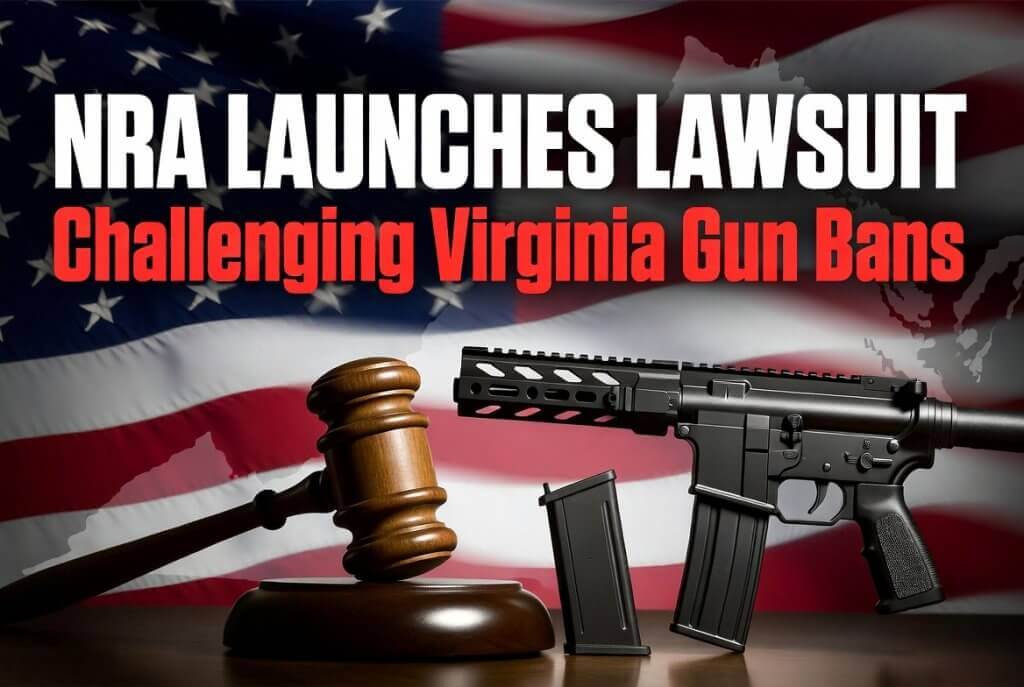
  • NRA Launches Lawsuit Challenging Virginia’s Assault Firearm and Magazine Bans Ahead of July 2026 Effective Date

    NRA Launches Lawsuit Challenging Virginia’s Assault Firearm and Magazine Bans Ahead of July 2026 Effective Date

    Big news for Second Amendment defenders: the NRA is swinging for the fences! Just ahead of the July 1, 2026, effective date, the National Rifle Association has filed a blockbuster lawsuit in Virginia challenging the state’s draconian bans on so-called “assault firearms” and magazines holding more than 15 rounds. This is a direct strike against government overreach that’s targeting the guns millions of law-abiding Virginians already own and love.

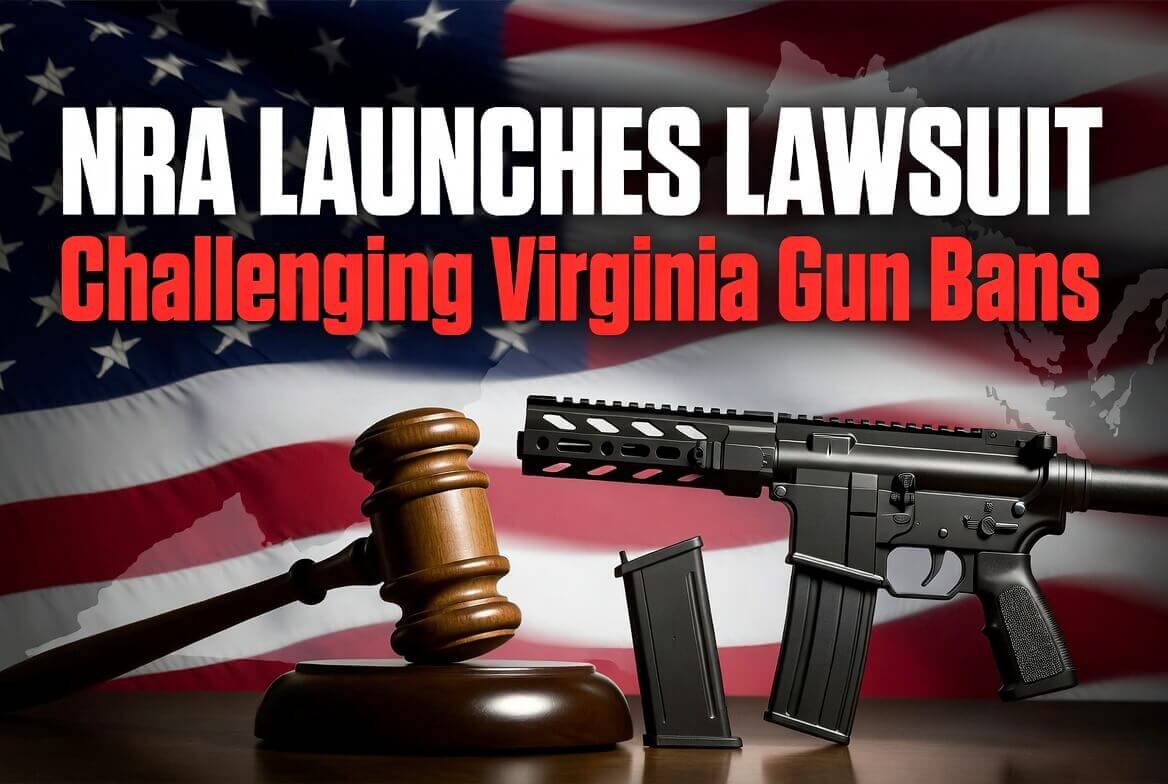
    NRA logo overlaid on Virginia state outline with crossed AR-15 rifles and a gavel, symbolizing the lawsuit against assault firearm bans

    What’s Being Banned—and Why It’s a Second Amendment Nightmare

    Virginia’s new laws, signed into effect despite fierce opposition from gun owners, prohibit the sale, transfer, and manufacture of a laundry list of semiautomatic firearms labeled “assault weapons.” We’re talking popular rifles like the AR-15, pistols with braces or threaded barrels, and even some semiauto shotguns. Magazines over 15 rounds? Forget about it—they’re banned too.

    These aren’t obscure relics; these are the most common firearms in America for self-defense, hunting, and sport shooting. The NRA’s suit, filed in Fairfax County Circuit Court, argues that these restrictions fly in the face of the Supreme Court’s landmark New York State Rifle & Pistol Association v. Bruen decision. Bruen demands that gun laws must align with our nation’s historical tradition of firearm regulation. Virginia’s bans? They have zero historical precedent—they’re pure modern invention designed to disarm the people.

    • Rifles: Semautos with pistol grips, folding stocks, or flash suppressors—basically anything tactical-looking.
    • Pistols: Those with threaded barrels or stabilizing braces (thanks, ATF flip-flops).
    • Shotguns: Semiautos with pistol grips or capacity over 5+1.
    • Mags: Anything over 15 rounds, even for your trusty 1911 or hunting rifle.

    This isn’t protection; it’s confiscation by another name. Existing owners might grandfather in their guns, but try passing one to your kids? Good luck. Selling? Not without jumping through hoops.

    Pre-Ban Buying Frenzy: Virginians Vote with Their Wallets


    The market doesn’t lie. Gun shops across the Commonwealth are seeing a massive surge in sales as patriots rush to beat the deadline. AR-15s, high-cap mags, and brace-equipped pistols are flying off shelves faster than politicians can say “common-sense reform.” Why? Because Virginians know this ban isn’t about safety—it’s about control. And they’re not going down without a fight.

    Local FFLs report record weekends, with some stores selling out of inventory multiple times over. It’s a clear message: the people reject these infringements.

    The Legal Heavy Hitters: NRA-ILA Leads the Charge

    The NRA Institute for Legislative Action (ILA) is pulling no punches. Their complaint names Virginia Attorney General Jason Miyares and state police as defendants, demanding a permanent injunction. Citing Bruen, Heller, and McDonald, they prove these arms are “arms in common use” for lawful purposes—protected period.

    “Virginia’s assault firearm and large-capacity magazine bans are indistinguishable from the handgun ban struck down by the Supreme Court in Heller. They ban firearms and magazines commonly owned by law-abiding citizens for lawful purposes.” — NRA-ILA statement

    With recent wins like the Illinois “assault weapons” ban getting smacked down, momentum is on our side. Virginia’s law is ripe for the trash heap.

    Stand Strong, Gun Owners—This Is Our Fight

    Virginia’s battle is every American’s battle. If these bans stand, expect copycats nationwide. But with the NRA leading the charge, we’ve got the firepower to win. Support the NRA, join your state affiliate, and keep buying American-made freedom tools while you can.

    The Second Amendment isn’t negotiable. It’s eternal. Let’s make sure Virginia remembers that come 2026—or sooner, when this suit crushes the bans in court.

    Stay vigilant, stay armed, stay free.

    —GunStuff.tv Staff

    Join the Fight - Second Amendment Foundation

    References

  • North Carolina Private School Security Act Becomes Law, Allowing Concealed Carry by Authorized Personnel on Private School Campuses

    North Carolina Private School Security Act Becomes Law, Allowing Concealed Carry by Authorized Personnel on Private School Campuses

    In a massive win for Second Amendment rights and school safety, North Carolina’s Private School Security Act (S280) has officially become law after lawmakers heroically overrode Governor Josh Stein’s veto. Effective December 1, 2025, this groundbreaking legislation empowers private schools to authorize qualified personnel to carry concealed handguns and stun guns on campus. Finally, private educational institutions can take real control of their security without relying on outdated “gun-free zone” fantasies that leave kids vulnerable.

    North Carolina State Capitol with overlay text announcing Private School Security Act becoming law after veto override

    The Details: Who, What, and How

    Here’s the meat of S280: Private schools can now opt-in to allow staffers with valid concealed handgun permits (CHP) to carry on campus. But it’s not a free-for-all—lawmakers built in smart safeguards:

    • Authorization Required: School boards or governing bodies must explicitly approve the program.
    • Training Mandates: Authorized personnel need 16 hours of school-specific training, covering active shooter response, de-escalation, and more. They also undergo annual requalification.
    • Background Checks: Only those with clean records and active CHPs qualify—no exceptions.
    • Stun Guns Too: Less-lethal options are included for added flexibility.

    This isn’t about turning schools into fortresses; it’s about layering in professional, responsible armed defenders who can stop threats in their tracks. Think of it as the school equivalent of a concealed carrier at the mall—discreet, trained, and ready.

    The Veto Override: A Triumph Over Anti-Gun Resistance

    Governor Stein tried to play the fear card, vetoing the bill with the usual “guns in schools are dangerous” rhetoric. But pro-2A legislators weren’t having it. The House voted 72-44 to override, followed by a decisive Senate tally. This override isn’t just a policy win—it’s a clear message to gun-grabbers: North Carolinians value self-defense over virtue-signaling.

    Private schools, as private property, have always had the right to set their own rules. S280 simply removes government-imposed barriers, letting parents, administrators, and communities decide what’s best for their kids.

    Why This Matters for School Safety and 2A Rights

    We’ve seen the stats: Armed responders stop active shooters 94% of the time when they engage quickly (FBI data). “Gun-free zones” are magnets for monsters—over 98% of mass public shootings since 1950 occurred in such areas. Private schools in NC now have the tools to harden their defenses without waiting for underfunded, overstretched police.

    This law expands on existing public school provisions, bringing parity to private institutions where faith-based and independent schools serve hundreds of thousands of students. It’s a step toward nationwide sanity, proving that common-sense self-defense works.

    What’s Next? Eyes on Implementation and Beyond

    Starting December 1, 2025, expect private schools across the Tar Heel State to roll out these programs. Forward-thinking administrators will prioritize vetting top-tier candidates—veterans, retired LEOs, or everyday heroes with CHPs.

    If you’re a NC private school leader, parent, or 2A supporter, celebrate this victory and stay vigilant. Contact your reps to push for similar expansions to public charters and homeschool co-ops. The momentum is building—gun rights are winning where it counts: protecting our kids.

    Stay strapped, stay safe, and keep fighting for the Second Amendment.


    Join the Fight - Second Amendment Foundation

    References

  • New Hampshire Senate Advances Campus Carry Bill Allowing Faculty Firearms on College Campuses, Sparking House-Senate Clash

    New Hampshire Senate Advances Campus Carry Bill Allowing Faculty Firearms on College Campuses, Sparking House-Senate Clash

    In the Granite State, where “Live Free or Die” isn’t just a motto but a way of life, a major victory for Second Amendment rights is unfolding on college campuses. The New Hampshire Senate just passed an amended version of HB 1793 on May 14, 2026, greenlighting concealed carry for faculty and staff at public universities. That’s right—professors and administrators could soon pack heat to protect themselves and their students, a huge step toward real campus security.

    New Hampshire Senate chamber during the HB 1793 vote, with senators debating campus carry legislation
    New Hampshire Senate chamber during the HB 1793 vote, with senators debating campus carry legislation (via newhampshirebulletin.com)

    A Bold Move for Safety in the Face of Campus Threats

    This isn’t some pie-in-the-sky idea; it’s a direct response to the harsh reality that gun-free zones are nothing more than inviting targets for psychopaths. We’ve seen it time and again—shooters target places where good guys are disarmed. By empowering faculty and staff with concealed carry permits, the Senate is saying enough is enough. These are trained, vetted adults who know their campuses inside and out. They’re the first line of defense when seconds count.

    The bill’s amendment smartly excludes students for now, focusing on those with more life experience and responsibility. But make no mistake: this is progress. Pro-2A warriors in the Senate stripped away overreaching restrictions, ensuring that due process protections remain intact while prioritizing safety. Amid rising concerns over active shooters and mental health crises, this measure arms the willing to neutralize threats before they escalate.

    House Pushback: The Same Old Anti-Gun Drama

    Of course, the freedom-hating crowd in the House isn’t thrilled. They’re dragging their feet, nitpicking over “firearm policies” and due process—code for more bureaucratic red tape to kill the bill. Expect a clash that could land this in a conference committee, where cooler heads (we hope) will prevail. This is classic divide-and-conquer politics from gun control zealots who think disarmed sheep are safer than armed sheepdogs.

    Let’s be clear: data backs campus carry. The Crime Prevention Research Center’s reports show concealed carriers are overwhelmingly law-abiding—far safer than your average Joe. In states like Texas and Colorado, faculty carry programs have operated without incident, proving armed educators enhance safety, not endanger it.

    A responsible faculty member with concealed handgun permit walking on a college campus, symbolizing empowered protection

    Why This Matters for All Gun Owners

    New Hampshire’s Live Free spirit is leading the charge, but this fight echoes nationwide. Gun-free campuses are a relic of failed policy, breeding grounds for tragedy. HB 1793’s advancement reminds us that 2A rights extend beyond ranges and homes—they’re for everyday protection, including lecture halls and libraries.

    Push for more: advocate for student inclusion with proper training requirements. Contact your reps, rally at the State House, and show the House that Granite Staters won’t tolerate nanny-state nonsense. The Senate’s shown the way—now it’s time for the full Legislature to follow.

    Stay armed, stay informed, and keep fighting. Liberty demands it.

    Join the Fight - Second Amendment Foundation

    References

  • Georgia Gov. Kemp Vetoes SB 204 Aimed at Blocking Savannah’s Unsecured Firearm Storage Ordinance

    Georgia Gov. Kemp Vetoes SB 204 Aimed at Blocking Savannah’s Unsecured Firearm Storage Ordinance

    Georgia gun owners just took a hit from an unexpected source: their own governor. On May 13, 2026, Governor Brian Kemp vetoed Senate Bill 204, a crucial piece of legislation that would have shut down Savannah’s overreaching local ordinance on unsecured firearms in vehicles. This veto keeps the city’s draconian rule in place, fining law-abiding citizens up to $1,000 for leaving a gun in an unlocked car. In a state that’s supposed to champion Second Amendment rights, this is a disappointing step backward.

    The Problem in Savannah: Local Overreach at Its Worst

    Back in 2024, the city of Savannah passed a local ordinance targeting how Georgians store their firearms in vehicles. Under this rule, if you leave your firearm in an unlocked car—even for a quick stop at the store—you could face a hefty $1,000 fine. Proponents claim it’s about “public safety,” but let’s call it what it is: a blatant infringement on the rights of lawful gun owners.

    Georgia already has strong state laws on firearm storage and carry. Why should one city dictate terms that contradict statewide protections? This is the classic patchwork problem—local governments cherry-picking restrictions that chip away at our constitutional carry freedoms. Gun rights advocates, including the Georgia Second Amendment Coalition and NRA-ILA, sounded the alarm, pushing for statewide preemption to protect uniformity.

    Senate Bill 204: The Fix That Was Needed

    Enter SB 204, sponsored by pro-2A legislators who understood the threat. The bill would have preempted Savannah’s ordinance and similar local rules across the state, ensuring that firearm regulations remain consistent under state law. It was a straightforward defense of preemption principles that 45 states already embrace to prevent anti-gun municipalities from undermining broader rights.

    The bill passed both chambers of the Georgia General Assembly with solid support from Republican lawmakers. It was on track to restore sanity and protect everyday carriers from arbitrary fines. Tragically, it landed on Governor Kemp’s desk, where it met its untimely end.

    Locked vehicle with firearm inside, highlighting Savannah's unsecured storage ordinance fines

    Kemp’s Veto: A Blow to Georgia’s Gun Owners

    Governor Kemp’s veto message cited concerns about “local control” and public safety in urban areas. He argued that cities like Savannah should have flexibility to address crime. But here’s the reality: criminals don’t lock their guns or follow ordinances—they steal them from unlocked cars belonging to law-abiding citizens who get punished instead.

    This veto preserves a rule that disproportionately affects concealed carriers, hunters, and travelers who can’t babysit their vehicles 24/7. In a post-constitutional carry Georgia, where SB 319 made open and concealed carry permitless for adults, adding vehicle storage fines feels like a sneaky backdoor restriction. Kemp, a known 2A supporter, has vetoed other bad bills before—why not this one?

    Why Preemption Matters for 2A Rights

    • Uniformity Protects Freedom: Without statewide preemption, every city could enact its own gun bans, turning Georgia into a patchwork of restrictions.
    • Law-Abiding Citizens Suffer: Fines hit responsible owners, not thieves. Studies from groups like the Crime Prevention Research Center show secure storage laws don’t reduce crime—they just disarm the good guys.
    • Slippery Slope: Today’s vehicle storage rule is tomorrow’s outright bans. We’ve seen it in places like Chicago and New York.

    Georgia’s GOP supermajority can override this veto with a simple majority vote when they reconvene. It’s time for legislators to step up and send SB 204 back to Kemp’s desk—overridden.

    Fellow patriots, stay vigilant. Contact your state reps, support groups like the Georgia Carry Organization, and keep fighting for unapologetic 2A rights. Savannah’s ordinance might stand for now, but it won’t last if we don’t let it. Lock and load—legally, of course.

    Join the Fight - Second Amendment Foundation

    References

  • ATF Proposes Rule to Clarify and Expand Interstate Firearm Transportation Protections Under FOPA

    ATF Proposes Rule to Clarify and Expand Interstate Firearm Transportation Protections Under FOPA

    Imagine this: You’re on a cross-country road trip with your legally owned AR-15, headed from a free state like Texas to another like Arizona. You pull over in New York for a quick gas stop or burger run, and suddenly, state troopers swarm you, claiming your rifle violates their “assault weapon” ban. Sound like a nightmare? It has happened before, thanks to overzealous anti-gun prosecutors twisting the law. But relief is on the horizon.

    What is FOPA’s Safe Passage Provision?

    Back in 1986, Congress passed the Firearm Owners’ Protection Act (FOPA), a landmark law that pushed back against federal overreach. Tucked inside is Section 926A of the Gun Control Act, the “safe passage” rule. It states that if your firearm is legal in your starting state and destination state, you can transport it through restrictive states without fear of prosecution—as long as it’s unloaded and inaccessible during transit.

    Simple, right? Not always. Vague wording left room for gun-grabber states like New York, New Jersey, and California to harass travelers with horror stories of arrests over “incidental stops.” Enter the ATF’s latest move.

    ATF’s Game-Changing Proposed Rule

    On May 6, 2026, the Bureau of Alcohol, Tobacco, Firearms and Explosives (ATF) dropped a proposed rule in the Federal Register that finally clarifies and expands these protections. This isn’t just legalese—it’s a shield for everyday gun owners hitting the road, flying, or even dealing with travel hiccups.

    Key wins in the proposal:

    • Incidental Stops Protected: Gas station fill-ups, grabbing a meal, overnight hotel stays, or even flight delays? All covered. No more “gotcha” arrests for normal human needs.
    • Accessories Included: Magazines, ammunition, and other accessories get the same safe passage treatment.
    • Clear Legal Standard: As long as the firearm (and ammo) is legal at origin and destination, you’re good. No state can touch you for merely passing through.
    Federal Register page highlighting ATF proposed rule on FOPA Section 926A with annotations on interstate transport protections

    Why This Matters for 2A Patriots

    This rule slams the door on the worst abuses we’ve seen. Remember the New York traveler arrested in 2013 for a rifle legal in both Pennsylvania and Florida? Or the flyers detained over locked cases during layovers? Those days could be over.

    It’s a pro-Second Amendment victory in an era of patchwork gun laws. Road trips to the range, family visits across state lines, hunting expeditions—no more detours around “gun-free” hellholes. This empowers law-abiding Americans to exercise their rights without Big Brother states playing border patrol.

    But here’s the catch: It’s proposed. Anti-gun groups will flood the comments with fearmongering. We need your voice to lock this in.

    Take Action Now—Submit Comments!

    Head to the Federal Register docket (search for the ATF rule on FOPA 926A). Tell them:

    • This clarifies longstanding law and protects interstate commerce.
    • Real-world examples of harassment demand these expansions.
    • Support finalizing without weakening.

    Deadline isn’t forever—comment today. Copy-paste a template if needed, but make it yours. Your story could be the next “thank you” from a traveler spared arrest.

    The Second Amendment doesn’t stop at state lines. This ATF rule is a step toward true national reciprocity for travel. Stay vigilant, stay armed, and keep fighting. What’s your interstate gun travel story? Drop it in the comments below!

    Stay tuned to GunStuff.tv for updates as this rule progresses. Freedom first.

    Join the Fight - Second Amendment Foundation

    References